 ✨ AI Generated
The Japanese Sword Museum
Japanese: 刀剣博物館
Sumida City, Tokyo
This information was written by AI and may contain mistakes. Please check official sources for opening hours, fees, and other details before you go.
Found a mistake? Let us know with “✏️ Something's wrong” on this spot's screen in asobot →
🎧 Audio guide(1:06)
In short
The Japanese Sword Museum is a museum dedicated to Japanese swords, operated by the Society for the Preservation of Japanese Art Swords. It opened in 1968 and relocated to Ryogoku in 2017. The current building stands in a corner of the Kyu-Yasuda Garden, which preserves a chisen-kaiyushiki (pond-strolling style) garden. In addition to swords, the museum houses numerous sword mountings, fittings, and suits of armor.
- National Treasure Tachi: The museum holds many swords designated or certified by the national government, including the National Treasure "Tachi signed Nobuyoshi."
- Hamon and Jitetsu: The beauty of the Japanese sword is expressed in the hamon (temper-line patterns) created by quenching and in the surface texture of the forged jitetsu (blade steel).
- A Museum in a Garden: Inheriting the atmosphere of the former Ryogoku Public Hall, the building features an exhibition room and a rooftop garden on its top floor.
History and Highlights
The Japanese Sword Museum opened in 1968 as an affiliated facility of the Society for the Preservation of Japanese Art Swords to preserve and exhibit Japanese swords and to promote their culture. In 2017, it moved to its current location in Ryogoku. Operated by the society, it is a museum specializing in Japanese swords, with few parallels in Japan.
Following World War II, Japanese swords were regarded as weapons and targeted for confiscation by the occupying forces, facing the crisis of being lost. Through the efforts of Honma Junji, Sato Kan'ichi, and others, the turmoil of the postwar period was overcome, and the Society for the Preservation of Japanese Art Swords was established in 1948 to protect and pass down Japanese swords as works of fine art and craft.
The museum houses a large collection of swords, sword mountings, sword fittings, armor, metalwork materials, and ancient transmission documents. Among these are many nationally designated or certified items, including the National Treasures "Tachi signed Nobuyoshi," "Kuniyuki (Rai)," and "Kuniyuki (Taima)," as well as the Important Cultural Property "Tachi signed Nobufusa." Old masterpieces from the Heian, Kamakura, and Nanbokucho periods form the core of the collection.
The building is located in a corner of the Kyu-Yasuda Garden and was designed as a garden museum integrated with strolls through the garden. Inheriting the atmosphere of the former Ryogoku Public Hall that once stood on the site, it consists of a cylindrical section extending toward the pond and wing sections on both sides. In place of the public hall's dome, a vaulted roof sits atop the structure, keeping the height low to harmonize with the garden.
Viewing and Experience Points
- Hamon: The hamon is the pattern produced by the quenching technique. Depending on how the clay is applied to the blade, it can form a straight line called suguha or an irregular pattern called midareba. Within the hamon, particles that sparkle like stars in an autumn night sky are called nie, while hazy patterns resembling the Milky Way are called nioi.
- Jitetsu: Japanese swords are crafted by repeatedly folding and forging high-quality tamahagane steel, wrapping a soft core steel (shintetsu) with hard outer steel (kawagane). The resulting patterns in the jitetsu are likened to the grain of wood and have names such as itamehada (board-grain pattern) and masamehada (straight-grain pattern). The most common is itamehada.
- Sword Mountings and Fittings: The exterior fittings used for carrying a sword are called toso (mountings), and their individual parts are called tosogu (fittings). The sword fittings, such as tsuba (handguards) and menuki (hilt ornaments), reflect the advanced skills of craftsmen specializing in each field.
Visiting Tips
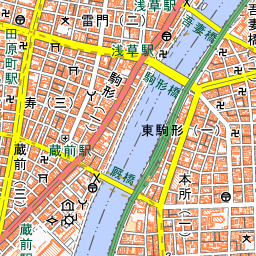
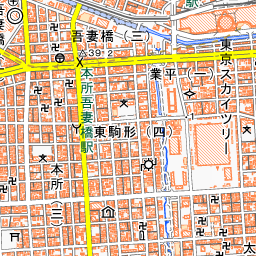
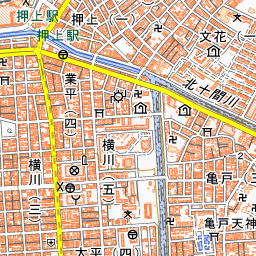
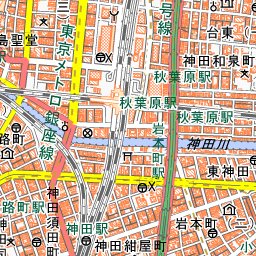
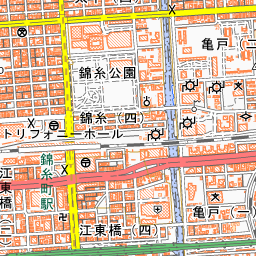
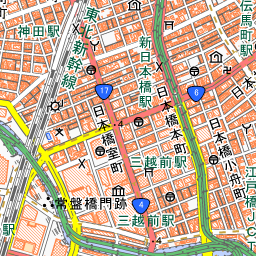
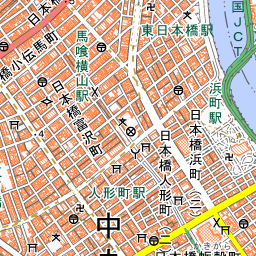
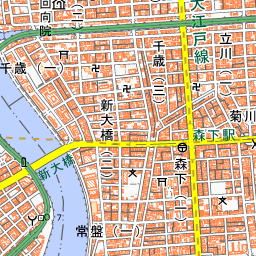
It is a 7-minute walk from the West Exit of Ryogoku Station on the JR Sobu Line, and a 5-minute walk from Exit A1 of Ryogoku Station on the Toei Oedo Line. The first floor houses a museum shop and a café, designed to also serve as a resting area for those strolling through the garden. On the top floor, there is a Japanese sword exhibition room and a rooftop garden. Kyu-Yasuda Garden extends directly to the south of the museum. Approximately 220 meters to the south is Ryogoku Kokugikan, and about 340 meters to the southeast is the Edo-Tokyo Museum.




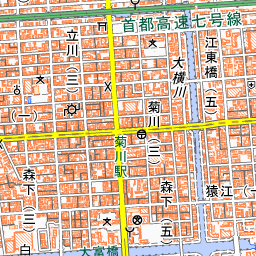
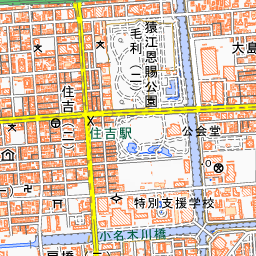
Spot location © OpenStreetMap contributors (ODbL)
Open in Google MapsUse asobot while you walk
- See where you are on the map and find spots nearby
- Listen to the guide's audio in course order, one after another (with subtitles)
- Walk to the next spot while following the map
Open on your phone
Scan to open this spot in asobot on your phone.