 ✨ AI Generated
Sengaku-ji Temple
Japanese: 泉岳寺
Minato City, Tokyo
This information was written by AI and may contain mistakes. Please check official sources for opening hours, fees, and other details before you go.
Found a mistake? Let us know with “✏️ Something's wrong” on this spot's screen in asobot →
🎧 Audio guide(1:14)
In short
Sengaku-ji Temple is a temple of the Soto Zen sect, famous for being the resting place of the Ako Gishi. It was founded in Soto-Sakurada in 1612 by Tokugawa Ieyasu, and after a major fire in 1641, it was moved to its current location in Takanawa. The samurai who committed seppuku (ritual suicide) are buried beside the grave of their lord, Asano Takumi-no-kami.
- Ako Gishi Cemetery: Contains 48 gravestones, consisting of the forty-seven ronin plus a memorial marker for Kayano Sanpei.
- Kubi-arai Well (Head-Washing Well): Named from the event where the Ako Gishi washed the severed head of Kira Kozukenosuke here before offering it at their lord's grave to report their deed.
- Sanmon Gate: Embedded in the first-floor ceiling is a bronze carving of a large coiled dragon (Daibanryu), one of the "Three Dragons of Edo."
History and Highlights
Sengaku-ji Temple was founded in Soto-Sakurada, near the present-day Metropolitan Police Department, in 1612 by Tokugawa Ieyasu. It was established to pray for the soul of Imagawa Yoshimoto, with whom Ieyasu had stayed in his youth, and priest Monnan Sokan, said to be Yoshimoto's grandson, was welcomed as the founding head priest.
After losing its temple buildings in a great fire in 1641, it relocated to Takanawa by order of the third shogun, Iemitsu. The Asano family was one of the five daimyo clans that exerted efforts during this move, marking the beginning of their relationship with the temple. During the Edo period, it was also renowned as a place of Buddhist study, and it is said that there were constantly around 200 student monks residing there.
The Ako Incident began in 1701 with a slashing incident inside Edo Castle. The grave of Asano Takumi-no-kami, who was ordered to commit seppuku, was built at Sengaku-ji Temple, and on December 14 of the following year, his loyal former retainers killed Kira Kozukenosuke. The gishi, who committed seppuku on February 4, 1703, were laid to rest beside their lord's grave. When performances of the kabuki play "Kanadehon Chushingura" became popular about 50 years later, the number of worshippers increased even further.
During World War II, the temple halls other than the Sanmon Gate and the former Gishi-kan museum were burned down. The current main hall is a Kamakura-style structure completed in 1953.
Points for Viewing and Experiencing
- Ako Gishi Cemetery: There are 48 gravestones. This number combines the forty-seven ronin and a memorial marker for Kayano Sanpei, who committed seppuku before the raid. The body of Hazama Shinroku was claimed by his family, and Terasaka Kichiemon turned himself in, was pardoned, and was later buried at Sokei-ji Temple in Azabu; therefore, the gravestones for these two individuals are memorial markers. The entrance gate was originally the rear gate of the Asano family's upper residence (kamiyashiki).
- Kubi-arai Well and Blood-Stained Plum Tree: It is called the "Kubi-arai Well" because, after fulfilling their long-cherished desire, the gishi washed the severed head of Kira Kozukenosuke with water from this well and offered it before their lord's grave to report their accomplishment. There are also a plum tree and a stone where Asano Takumi-no-kami's blood is said to have splattered when he committed seppuku.
- Sanmon Gate and Ako Gishi Memorial Museum: The Sanmon Gate was built during the Tenpo era (1830–1844) and escaped the devastation of war. Embedded in the first-floor ceiling is a bronze carving of a large coiled dragon, one of the "Three Dragons of Edo." The memorial museum was built on the 300th anniversary of the raid and houses relics of the gishi. Inside the Gishi Wooden Statue Museum, there are wooden statues of the forty-seven ronin.
Travel Tips
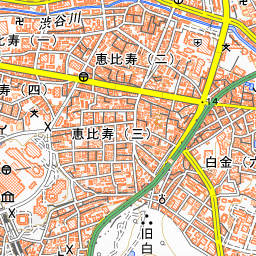
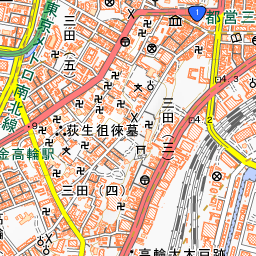
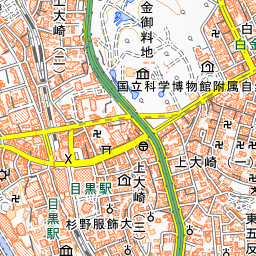
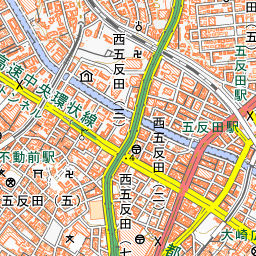
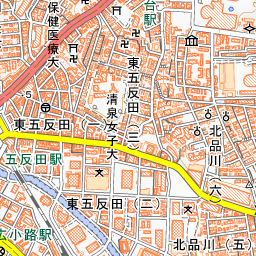
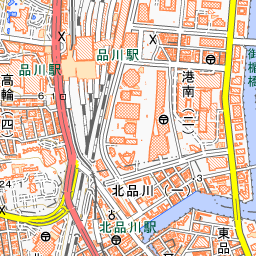
It is a 3-minute walk from Exit 2 of Sengakuji Station on the Toei Asakusa Line and Keikyu Line. It is a 5-minute walk from the North Gate of JR Takanawa Gateway Station. Entering through the Chumon Gate, you will see a bronze statue of Oishi Kuranosuke holding the signed pact and gazing toward the eastern sky, followed further in by the Sanmon Gate and the Main Hall. The Ako Gishi Festival is held twice a year, in December and April. Maxell Aqua Park Shinagawa is located approximately 990 meters to the south.


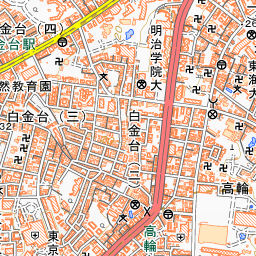
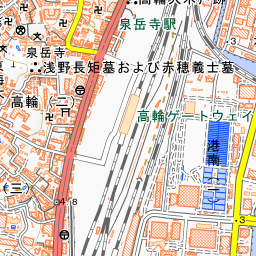

Spot location © OpenStreetMap contributors (ODbL)
Open in Google MapsGuides that include this spot (1)
Use asobot while you walk
- See where you are on the map and find spots nearby
- Listen to the guide's audio in course order, one after another (with subtitles)
- Walk to the next spot while following the map
Open on your phone
Scan to open this spot in asobot on your phone.