 ✨ AI Generated
Koganei Park
Japanese: 小金井公園
Koganei, Tokyo
This information was written by AI and may contain mistakes. Please check official sources for opening hours, fees, and other details before you go.
Found a mistake? Let us know with “✏️ Something's wrong” on this spot's screen in asobot →
🎧 Audio guide(1:06)
In short
Koganei Park is a metropolitan park covering an area of approximately 80 hectares along the Tamagawa Aqueduct. It is five times the size of Hibiya Park and 1.5 times the size of Ueno Onshi Park. Approximately 1,400 cherry blossom trees of around 50 varieties are planted in the park, and it has been selected as one of Japan's "Top 100 Cherry Blossom Spots."
- Sakura no En (Cherry Tree Garden): An area of 2.9 hectares where around 400 cherry trees gather. Various cherry blossoms bloom across a period of one month.
- Musashino Copse: A 16-hectare expanse of mixed forest featuring trees such as konara oak, sawtooth oak, and Japanese red pine, with most of it designated as an area for protecting wild birds.
- Edo-Tokyo Open Air Architectural Museum: An open-air museum featuring relocated historical buildings, located on the west side of the park.
History and Highlights
Koganei Park is a metropolitan park spanning Koganei City, Kodaira City, Nishitokyo City, and Musashino City, centered mainly in Koganei City. Located along the Tamagawa Aqueduct, it has an area of about 80 hectares. It is five times the size of Hibiya Park and 1.5 times the size of Ueno Onshi Park. The park features expansive lawns, surrounding copses, and a cherry tree garden.
The predecessor to the park was the "Koganei Grand Greenery," planned as part of the 2,600th Imperial Year Anniversary Project in 1940 (Showa 15). After the war, the land was used as a temporary residence for the Crown Prince; although 40 percent was lost due to postwar agricultural land reforms, it opened as an urban park on January 14, 1954 (Showa 29).
Around 1,400 cherry trees of approximately 50 varieties, including yamazakura, satozakura, and oshimazakura, are planted within the grounds. About 400 of them are located in "Sakura no En," many of which were planted to coincide with the park's opening in 1954. Koganei Park is one of the "Top 100 Cherry Blossom Spots" selected by the Japan Cherry Blossom Association.
The cherry tree avenue along the embankment of the adjacent Tamagawa Aqueduct was planted during the era of Shogun Tokugawa Yoshimune, consisting mainly of yamazakura. It was designated as a national "Place of Scenic Beauty" in 1924 (Taisho 13).
Highlights of Appreciation and Experience
- Sakura no En: An area measuring 2.9 hectares where various cherry trees add color to spring for a month. Today, it is bustling as a famous cherry blossom viewing spot.
- Musashino Copse and Wild Birds: A 16-hectare expanse of mixed forest with konara oak, sawtooth oak, Japanese red pine, and other trees spreads across the park. Most of it is a "bird sanctuary" dedicated to protecting wild birds, and entering is not permitted. More than 40 species of wild birds—including Japanese tit, Japanese pygmy woodpecker, Japanese grosbeak, and Daurian redstart—have been observed here, allowing visitors to search for wild birds throughout the year.
- Steam Locomotive (SL) Exhibition Area: Located south of Sakura no En, this area preserves a C57 steam locomotive and passenger cars in a static display. It was placed here in 1975 (Showa 50) at the request of local residents.
Walking Tips
The open spaces are grasslands that take advantage of the gentle undulations of the Musashino Terrace, divided into areas such as "Tsutsujiyama Hiroba," "Ikoi no Hiroba," and "Kodomo no Hiroba." The Edo-Tokyo Open Air Architectural Museum, an open-air museum of relocated historical buildings, is about 620 meters west of here. In front of the architectural museum, a pair of 10-meter-tall fragrant olive (kinmokusei) trees are planted, producing abundant, intensely fragrant small orange flowers in autumn. For details on the buildings, please see "Edo-Tokyo Open Air Architectural Museum," and for the path along the aqueduct, please see "Tamagawa Aqueduct."
From the north exit of JR Musashi-Koganei Station, you can take a Seibu Bus to "Koganei-koen Nishi-guchi" (Koganei Park West Exit). From the north exit of JR Higashi-Koganei Station, you can take a CoCo Bus to "Koganei-koen Iriguchi" (Koganei Park Entrance).
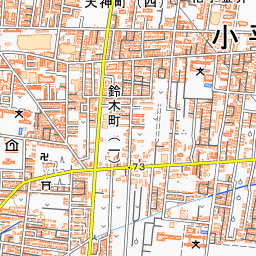
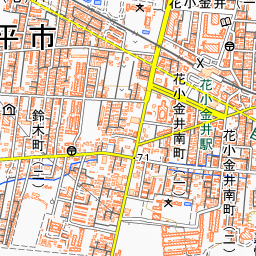
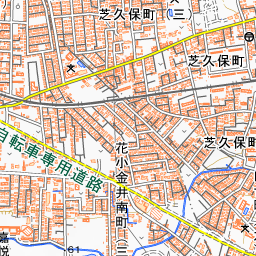
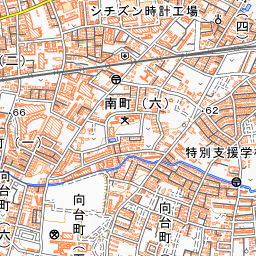
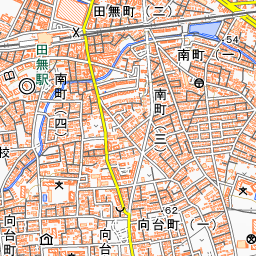
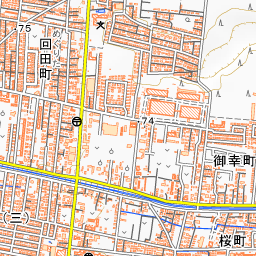
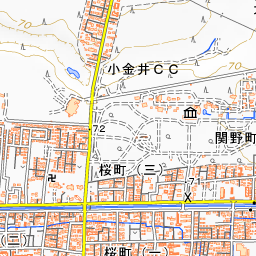
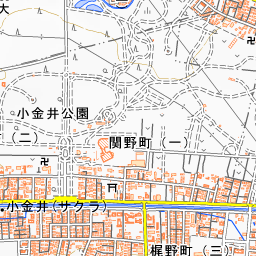
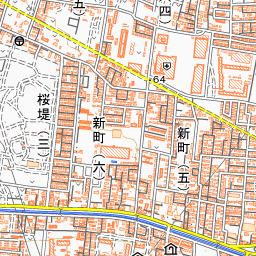
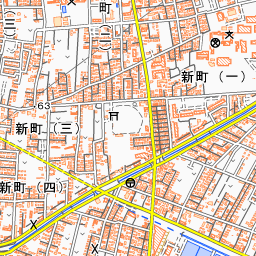

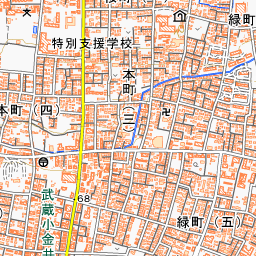

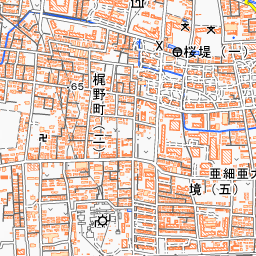
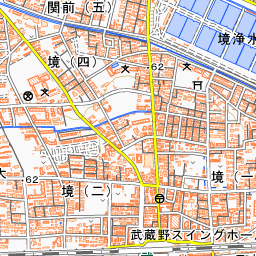
Spot location © OpenStreetMap contributors (ODbL)
Open in Google MapsGuides that include this spot (1)
Use asobot while you walk
- See where you are on the map and find spots nearby
- Listen to the guide's audio in course order, one after another (with subtitles)
- Walk to the next spot while following the map
Open on your phone
Scan to open this spot in asobot on your phone.