 ✨ AI Generated
Chazuna
Japanese: 茶づな
Uji, Kyoto
This information was written by AI and may contain mistakes. Please check official sources for opening hours, fees, and other details before you go.
Found a mistake? Let us know with “✏️ Something's wrong” on this spot's screen in asobot →
🎧 Audio guide(1:03)
In short
The nickname for the Tea and Uji Town Exchange Hall, located within the "Historical Park of Tea and Uji Town" near Keihan Uji Station. The nickname came from an idea by a high school student in Uji. Inside the facility, visitors can enjoy the traditions and manners of Uji Tea and the history of Uji through exhibits and hands-on experiences.
- Ujigawa Taiko-zutsumi Embankment Ruins: The remains of an embankment Toyotomi Hideyoshi built along the right bank of the Uji River, designated a national historic site. Beneath the reconstructed stone masonry revetment and ishidashi (stone spur dike), the actual revetment and ishidashi are preserved
- Uji Tea and Uji History Museum: The museum addresses questions such as how tea is made and when Uji Tea originated through digital displays and hands-on tactile exhibits. A modern "Illustrated Guide to Famous Sights of Uji (Uji Meisho Zue)" can be viewed on a large 4K screen
- Landscape Tea Garden and Tea Picking: A tea garden that recreates the scenery of tea plantations once cultivated on the sandbars of the Uji River, with a variety of hands-on programs, including tea picking and matcha making
History and Highlights
Chazuna is the nickname for the Tea and Uji Town Exchange Hall, located within the "Historical Park of Tea and Uji Town" near Keihan Uji Station. Chosen through a public contest, the nickname was based on an idea from a high school student in Uji, expressing the wish that "Uji Tea, like a single rope (tsuna), connects many people and history." Inside the facility, visitors can learn about the traditions and manners of Uji Tea and the history of Uji through exhibits and hands-on experiences.
The historical site zone of the park contains the Ujigawa Taiko-zutsumi Embankment Ruins, designated a national historic site. Following the construction of Fushimi Castle, which was completed in 1594 (Bunroku 3), Toyotomi Hideyoshi carried out large-scale flood control projects, including rerouting the Uji River and the Yodo River. The Taiko-zutsumi Embankment Ruins are the remains of an embankment Hideyoshi built along the right bank of the Uji River. Constructed at the end of the 16th century, it was subsequently buried by flooding and when the present levees were built in modern times, it ended up outside the river area, allowing it to survive in an exceptionally good state of preservation.
Viewing and Experience Highlights
- Reconstructed Taiko-zutsumi Revetment and Ishidashi: In the North Area, a stone masonry revetment featuring flat split stones layered from the slope to the top has been reconstructed about 2 meters above the actual embankment ruins, while the original revetment is preserved 2 meters below. In the South Area, an "ishidashi" (stone spur dike) projecting into the river to calm the current has been reconstructed, with the actual stone structure preserved 1 meter below it.
- Uji Tea and Uji History Museum: The museum inside the facility addresses questions such as how tea is made and when Uji Tea originated through digital displays and hands-on tactile exhibits. In the history section, visitors are greeted by a giant 10-yen coin depicting the Byodo-in Temple Phoenix Hall, and can view a modern "Illustrated Guide to Famous Sights of Uji (Uji Meisho Zue)" on a large 4K screen.
- Landscape Tea Garden and Tea Picking: The landscape tea garden in the South Area recreates the scenery of tea plantations once cultivated on the sandbars of the Uji River. In Uji, tea is grown using a traditional shaded cultivation method (oishita-saibai) in which tea fields are covered. A variety of hands-on programs are available, including tea picking in this authentic tea garden and matcha making.
Walking Tips
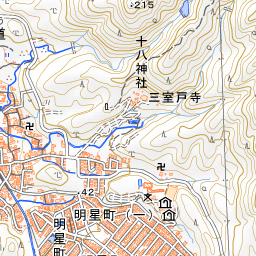
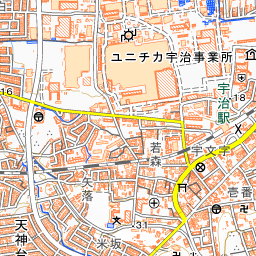
The facility is a 4-minute walk from Uji Station on the Keihan Uji Line, and a 12-minute walk from the South Exit of Uji Station on the JR Nara Line. The observation terrace on the second floor is free for anyone to use, offering panoramic views of the Uji River, surrounding mountains, and the town of Uji. It makes a great starting point for touring Uji, from which you can cross Uji Bridge to Byodo-in Temple, or extend your walk to Uji-jinja Shrine, Ujigami-jinja Shrine, The Tale of Genji Museum, Uji City, and Mimuroto-ji Temple.
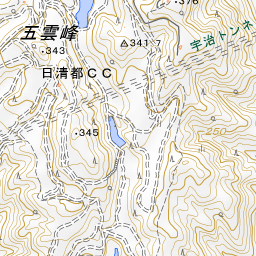
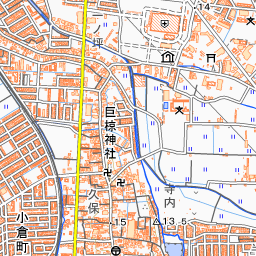
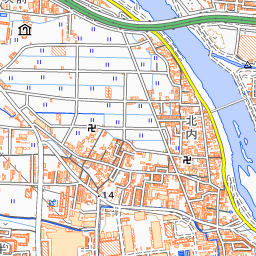
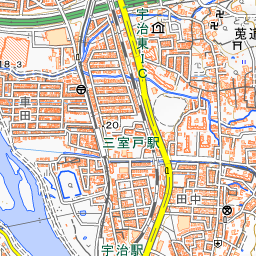
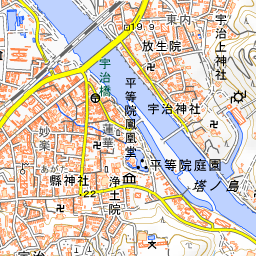
Spot location © OpenStreetMap contributors (ODbL)
Open in Google MapsUse asobot while you walk
- See where you are on the map and find spots nearby
- Listen to the guide's audio in course order, one after another (with subtitles)
- Walk to the next spot while following the map
Open on your phone
Scan to open this spot in asobot on your phone.