 ✨ AI Generated
Eifuku-ji Temple
Japanese: 叡福寺
Taishi Town, Osaka
This information was written by AI and may contain mistakes. Please check official sources for opening hours, fees, and other details before you go.
Found a mistake? Let us know with “✏️ Something's wrong” on this spot's screen in asobot →
🎧 Audio guide(1:04)
In short
A temple in Taishi Town, within whose precincts lies Shinagabyo, the mausoleum of Prince Shotoku. Alongside Shitenno-ji Temple and Horyu-ji Temple, it served as a center of Prince Shotoku worship and is also called "Kami-no-Taishi"; during the Heian period, it was visited by many pilgrims as one of the "Kawachi San Taishi" (Three Taishi of Kawachi). In 1574 (the 2nd year of the Tensho era), all the temple halls and pagodas were lost to fires of war caused by Oda Nobunaga, but in 1603 (the 8th year of the Keicho era), Toyotomi Hideyori rebuilt the Shoryo-den.
- Mausoleum of Prince Shotoku: Located deep within the temple grounds, the mausoleum is a circular burial mound measuring 54.3 meters in diameter and 7.2 meters in height. Because the prince was buried alongside his consort and his mother, it is referred to as "Sankotsu Ichibyo" (three bones in one mausoleum), and it is enclosed by double boundary stones (kekkaiseki)
- Important Cultural Properties: Shoryo-den and Tahoto: The Shoryo-den, also known as the Taishi-do, enshrines statues of Prince Shotoku at age 16 and age 2. Together with the tahoto rebuilt in 1652 (the 1st year of the Joo era), it is a national Important Cultural Property
- Daijoe-shiki Ceremony on the Prince's Death Anniversary: Every year on April 11 and 12, the temple's largest event, the Daijoe-shiki Ceremony, is held in commemoration of the anniversary of Prince Shotoku's death
History and Highlights
Eifuku-ji Temple is a temple located in Taishi Town, and within its precincts lies Shinagabyo, the mausoleum of Prince Shotoku. Alongside Shitenno-ji Temple and Horyu-ji Temple, it served as a center of Prince Shotoku worship. Its mountain name (honorific mountain prefix) is Shinagasan, and it is also called "Kami-no-Taishi." During the Heian period, it was visited by many pilgrims as one of the "Kawachi San Taishi" (Three Taishi of Kawachi), together with Yachu-ji Temple (Naka-no-Taishi) in Habikino City and Daisho Shogun-ji Temple (Shimo-no-Taishi) in Yao City.
Prince Shotoku passed away in 622 (the 30th year of the reign of Empress Suiko) at the age of 49, and was buried alongside his consort, Kashiwabe no Ooiratsume, who died the day before, and his mother, Empress Anahobe no Hashihito, who died two months earlier. For this reason, the mausoleum is referred to as "Sankotsu Ichibyo" (three bones in one mausoleum). The temple is said to have begun when Empress Suiko granted land to establish monk quarters to protect the mausoleum, and it is handed down that a full temple compound (shichido garan) was constructed in 724 (the 1st year of the Jinki era) by imperial decree of Emperor Shomu. Many renowned monks, including Kukai, Shinran, and Nichiren, secluded themselves in prayer at this mausoleum.
In 1574 (the 2nd year of the Tensho era), all the temple halls and pagodas were lost to fires of war caused by Oda Nobunaga. However, in 1603 (the 8th year of the Keicho era), Toyotomi Hideyori rebuilt the Shoryo-den, and structures such as the tahoto (two-story pagoda) and the kondo (main hall) were restored through the mid-Edo period.
Viewing and Experience Highlights
- Mausoleum of Prince Shotoku: Located deep within the temple grounds, the mausoleum is a circular burial mound measuring 54.3 meters in diameter and 7.2 meters in height, with a horizontal stone chamber inside. It is enclosed by double boundary stones (kekkaiseki). Legend also has it that Kobo Daishi (Kukai) attempted to build these boundary stones in a single night, but left them unfinished.
- Important Cultural Properties: Shoryo-den and Tahoto: The Shoryo-den, also known as the Taishi-do, enshrines statues of Prince Shotoku at age 16 and age 2. Together with the tahoto rebuilt in 1652 (the 1st year of the Joo era), it is designated as a national Important Cultural Property. The kondo, rebuilt in 1732 (the 17th year of the Kyoho era), is a designated cultural property of Osaka Prefecture and houses a seated statue of Nyoirin Kannon as its principal image.
- Daijoe-shiki Ceremony on the Prince's Death Anniversary: Every year on April 11 and 12, the temple's largest event, the Daijoe-shiki Ceremony, is held in commemoration of the anniversary of Prince Shotoku's death. On the 12th, events include a tea offering ceremony by the grand master of the Omotesenke school, a Saitogomaku (outdoor fire ritual), and mochi throwing (rice cake scattering).
Walking Tips
To reach the temple, take a local bus from either Kaminotaishi Station on the Kintetsu Minami-Osaka Line or Kishi Station on the Kintetsu Nagano Line, and get off at "Shotoku Taishi Gobyomae." From Kaminotaishi Station, it is about a 30-minute walk. Around the temple, there are the imperial mausoleums of Emperor Bidatsu, Emperor Yomei, Empress Suiko, and Emperor Kotoku, as well as the grave of Ono no Imoko. Approximately 1.8 km to the south, there is also the Osaka Prefectural Chikatsu Asuka Museum.
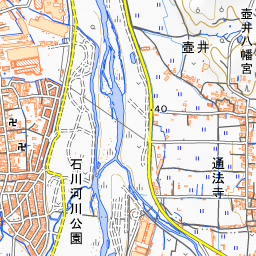
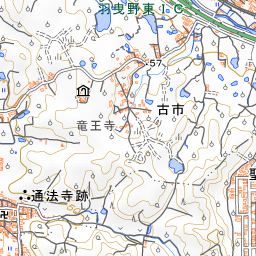
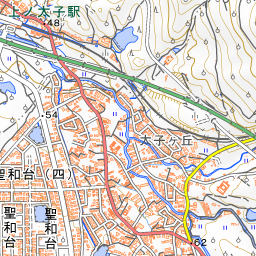
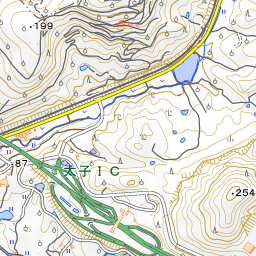
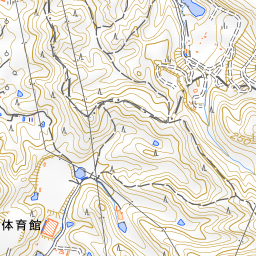
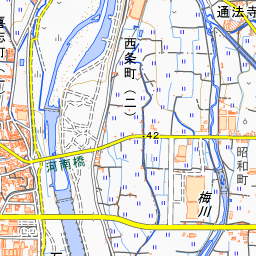
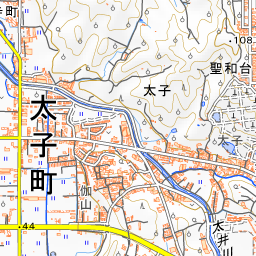
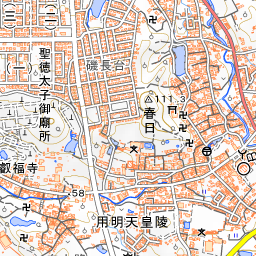
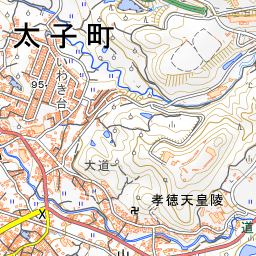
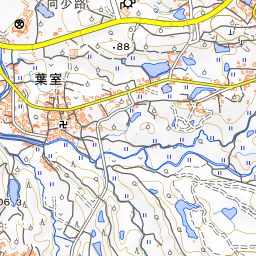
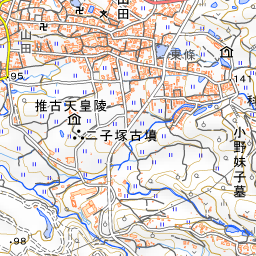
Spot location © OpenStreetMap contributors (ODbL)
Open in Google MapsGuides that include this spot (1)
Use asobot while you walk
- See where you are on the map and find spots nearby
- Listen to the guide's audio in course order, one after another (with subtitles)
- Walk to the next spot while following the map
Open on your phone
Scan to open this spot in asobot on your phone.