 ✨ AI Generated
Kyoto Prefectural Uji Park
Japanese: 京都府立宇治公園
Uji, Kyoto
This information was written by AI and may contain mistakes. Please check official sources for opening hours, fees, and other details before you go.
Found a mistake? Let us know with “✏️ Something's wrong” on this spot's screen in asobot →
🎧 Audio guide(1:05)
In short
Kyoto Prefectural Uji Park is made up of Tonoshima Island and Tachibanajima Island, sandbar islands in the Uji River, and Yorimichi Park on the river's left bank. Tonoshima Island and Tachibanajima Island are together called Nakanoshima, and they are linked to the riverbanks by Kisenbashi Bridge, Tachibanabashi Bridge, Asagiribashi Bridge, and Nakajimabashi Bridge. This is also the land that Murasaki Shikibu chose as the setting for the final ten chapters of The Tale of Genji.
- The Thirteen-Story Stone Pagoda: Towering on Tonoshima Island, this stone pagoda about 15 meters high is the largest stone pagoda in Japan and a National Important Cultural Property. It was erected in 1286 by Eison, a monk of Saidai-ji Temple in Nara
- Cormorant fishing on the Uji River: From July to September, cormorant fishing takes place around Nakanoshima, with torches reflected on the surface of the river. It has been popular since ancient times and even appears in The Kagero Diary
- The Uji Chapters Monument: It stands at the foot of Asagiribashi Bridge on the right bank, and its motif is the scene where Niou no Miya carries Ukifune away in a small boat
History and Highlights
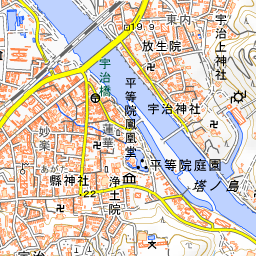
Kyoto Prefectural Uji Park consists of Tonoshima Island and Tachibanajima Island, sandbar islands in the Uji River, along with Yorimichi Park situated on the river's left bank. Tonoshima Island and Tachibanajima Island are collectively called "Nakanoshima." The riverbanks and the two islands are linked by Kisenbashi Bridge, Tachibanabashi Bridge, Asagiribashi Bridge, and Nakajimabashi Bridge, allowing visitors to walk all the way around. This area was chosen by Murasaki Shikibu as the setting for the final ten chapters of The Tale of Genji, and the scenery of the park viewed from Uji Bridge is also exceptional.
Towering on Tonoshima Island is the Thirteen-Story Stone Pagoda, which stands about 15 meters high. It is the largest stone pagoda in Japan and is designated as a National Important Cultural Property. It was erected in 1286 by the monk Eison of Saidai-ji Temple in Nara. Under an imperial order, Eison repaired Uji Bridge and banned the ajiro (wicker fish-trap) fishing that was being practiced in the Uji River at the time. He then buried the wooden fixtures and fishing gear of the traps on the upstream sandbar, erected this stone pagoda above them to console the spirits of the fish, and prayed for the safety of Uji Bridge. The pagoda fell numerous times due to floods and earthquakes, and was buried in the river by a flood in 1756, but it was rediscovered at the end of the Meiji period and rebuilt.
Sights and Experiences
- Thirteen-Story Stone Pagoda: The stone pagoda on Tonoshima Island towers upstream from Uji Bridge and serves as a riverside landmark in Uji. Please note that access to the island may be restricted when the volume of water released from Amagase Dam increases.
- Cormorant Fishing on the Uji River: From July to September, traditional cormorant fishing (ukai) takes place around Nakanoshima on the Uji River, with boarding for the viewing boats located at the foot of Kisenbashi Bridge. Cormorant fishing on the Uji River has been popular since ancient times and even appears in The Kagero Diary. Torches reflect beautifully upon the surface of the river.
- Uji Chapters Monument: At the foot of the right bank of Asagiribashi Bridge stands a monument symbolizing the historic sites of the "Uji Chapters." Erected in 1995, its motif depicts the scene where Niou no Miya carries Ukifune away in a small boat.
Walking Tips
The park is about a 10-minute walk from the Uji Stations on the Keihan Uji Line and the JR Nara Line. The banks along the river are well known for cherry blossoms; the Uji River Cherry Blossom Festival is held in early April, and in autumn, it serves as the stage for the Moon-viewing Tea Ceremony and the Tea Festival. The Uji Volunteer Tourist Guide course leads from Nakanoshima past the Thirteen-Story Stone Pagoda and the Uji Chapters Monument, and continues on to Uji-jinja Shrine, Ujigami-jinja Shrine, and The Tale of Genji Museum, Uji City. It is also recommended to combine this walk with visits to the nearby Byodo-in Temple and Taiho-an Teahouse.
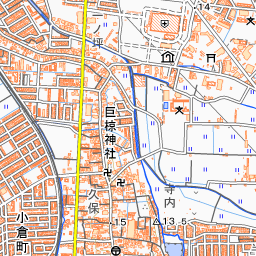
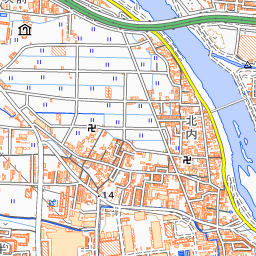
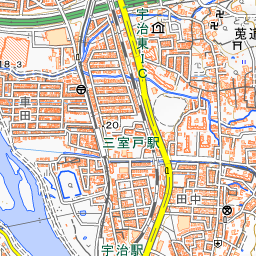
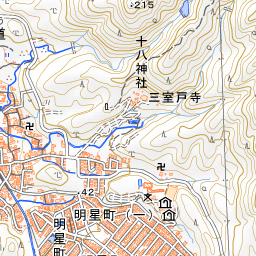
Spot location © OpenStreetMap contributors (ODbL)
Open in Google MapsUse asobot while you walk
- See where you are on the map and find spots nearby
- Listen to the guide's audio in course order, one after another (with subtitles)
- Walk to the next spot while following the map
Open on your phone
Scan to open this spot in asobot on your phone.