 ✨ AI Generated
Nara Park
Japanese: 奈良公園
Nara City, Nara
This information was written by AI and may contain mistakes. Please check official sources for opening hours, fees, and other details before you go.
Found a mistake? Let us know with “✏️ Something's wrong” on this spot's screen in asobot →
🎧 Audio guide(1:10)
In short
Nara Park is a park opened in 1880 (Meiji 13) that spreads across the central area of Nara City. Designated as a National Place of Scenic Beauty, it harmonizes lush greenery with historic temples and shrines such as Todai-ji Temple, Kofuku-ji Temple, and Kasuga-taisha Shrine. Represented by the phrase "the Great Buddha, greenery, and deer," it is the face of the ancient capital of Nara.
- Approximately 1,300 deer: Wild deer that have long been protected as "sacred deer," messengers of the deity of Kasuga-taisha Shrine. They were designated as a national Natural Monument in 1957 (Showa 32).
- A park with no gates or entrances: Visitors are free to enter from anywhere and go wherever they wish.
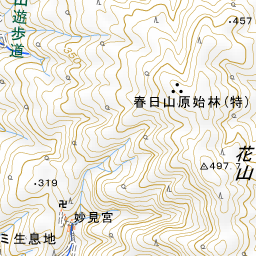
- Spacious park grounds: The park is divided into several areas, such as Nobori-oji Park and Kasugano Park. Kasugano Park is the largest multi-purpose open space in the park, offering views of Mt. Wakakusa and the Daibutsuden (Great Buddha Hall) of Todai-ji Temple.
History and Highlights
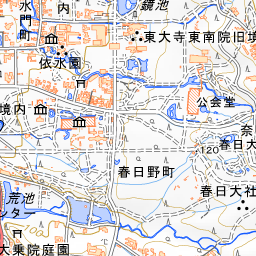
Nara Park is a park in the central part of Nara City where history and nature blend together. The area generally recognized as Nara Park spans 660 hectares.
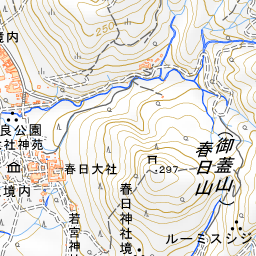
Based on a Dajokan Futatsu (Grand Council of State Decree), the park was opened on February 14, 1880 (Meiji 13). The beginning of Nara Park was the transformation of Kofuku-ji Temple's former precinct—which had become government land during the Meiji period—into park grounds. Later, mountain forests such as Mt. Kasuga and the temple grounds of Todai-ji Temple and others were added. In 1922 (Taisho 11), it was designated as a National Place of Scenic Beauty.
The deer in the park have been cherished and protected since ancient times as "sacred deer," messengers of the Kasuga-taisha Shrine deity. Nara's deer are wild animals, and in 1957 (Showa 32), they were designated as a national Natural Monument under the name "Deer of Nara." Around 1,300 of them live here today, with grass serving as their most essential food, roaming freely within the park. In 1998 (Heisei 10), Kasuga-taisha Shrine, Kofuku-ji Temple, Todai-ji Temple, and Kasugayama Primeval Forest in the park area were inscribed as a World Heritage site under "Historic Monuments of Ancient Nara."
Highlights for Viewing and Experiencing
- Deer and Deer Crackers (Shika Senbei): It is said that deer crackers already existed in the early Edo period. Made from wheat flour and rice bran, they contain no sugar or other additives with the health of the deer in mind. A portion of the proceeds is used for the preservation of the deer. Please do not feed the deer any food other than deer crackers.
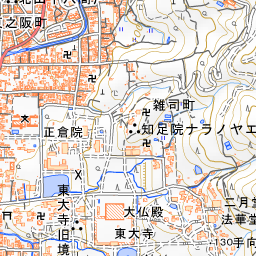
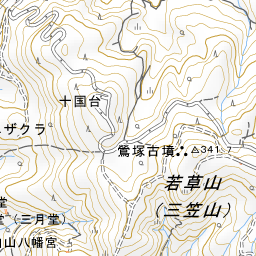
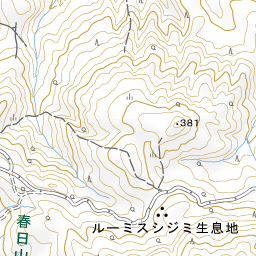
- Kasugano Park: The largest multi-purpose open space in the park. You can see Mt. Wakakusa to the east, Todai-ji Temple's Daibutsuden to the northwest, and Todai-ji Temple's Nandaimon Gate to the west. Ukigumo Park, located in the central part of the park, has walking paths where you can stroll leisurely.
- Overlooking Views of the Park: From the rooftop of the Nara Park Bus Terminal, you can take in a panoramic view from Kasugayama Primeval Forest to Todai-ji Temple and Kofuku-ji Temple. From the rooftop terrace of the Nara Prefectural Government Office, you can view the Daibutsuden of Todai-ji Temple and Mt. Wakakusa up close.
Tips for Exploring
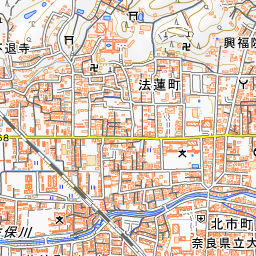
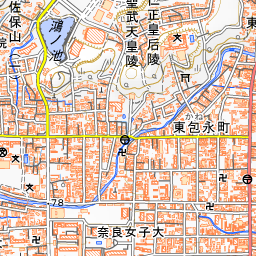
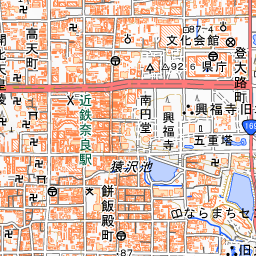
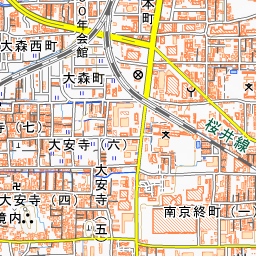
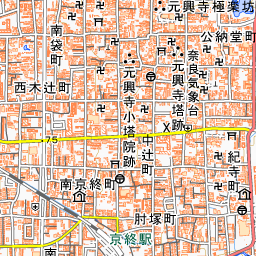
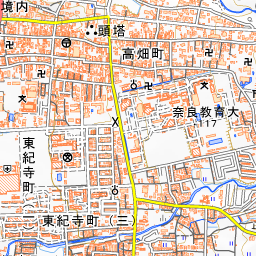
Nara Park is about an 8-minute walk from Kintetsu-Nara Station. The first area you see upon getting off the Kintetsu train is Nobori-oji Park, which is the oldest open park space within the grounds. Ukimi-do Hall, Sarusawa Pond, Mt. Wakakusa, Kasugayama Primeval Forest, and the Nara National Museum are also located within and around the park, each detailed in their own guides. To thoroughly enjoy this expansive park, spending half a day is recommended. Because the deer are wild animals, please be careful not to approach them carelessly, especially the male deer during their breeding season.

Guides that include this spot (2)
Use asobot while you walk
- See where you are on the map and find spots nearby
- Listen to the guide's audio in course order, one after another (with subtitles)
- Walk to the next spot while following the map
Open on your phone
Scan to open this spot in asobot on your phone.