 ✨ AI Generated
Okunoshima Power Plant Ruins
Japanese: 発電場跡
Takehara, Hiroshima
This information was written by AI and may contain mistakes. Please check official sources for opening hours, fees, and other details before you go.
Found a mistake? Let us know with “✏️ Something's wrong” on this spot's screen in asobot →
🎧 Audio guide(1:04)
In short
The Okunoshima Power Plant Ruins are the remains of a large concrete building located on the coast on the eastern side of Okunoshima Island, facing the town of Tadanoumi across the water. It supplied electricity to the Imperial Japanese Army's poison gas factory, which opened in 1929. After the war, many of the poison gas factory buildings on the island were demolished, but this building remained, and today it conveys the era of the poison gas factory as one of the wartime ruins preserved on the island.
- Remains of Heavy Oil and Seawater Tanks: Electricity was generated by diesel generators powered by heavy oil. Next to the building are the remains of a cylindrical tank that stored the heavy oil, and on slightly higher ground behind the building are the remains of a tank that held the seawater used at the power plant
- Balloon Bomb Tests: Toward the end of the war, mobilized female students also conducted tests inside this building, inflating the balloon envelopes of balloon bombs to inspect them
- Meiji-Era Stone Pier: In front of the building is a stone pier constructed during the Meiji era at the time of the Geiyo Fortress
History and Highlights
The Okunoshima Power Plant Ruins are the remains of a large concrete building located on the coast on the eastern side of Okunoshima Island, facing the town of Tadanoumi across the water. It supplied electricity to the Imperial Japanese Army's poison gas factory, which opened in 1929.
Electricity was generated by diesel generators powered by heavy oil. Initially, there were three generators, three more were added in 1933, and another two in 1934. Furthermore, from 1941, electricity began to be received from Tadanoumi via two undersea cables, which combined with the on-site generation to power the factory. Toward the end of the war, mobilized female students also conducted tests inside this building, inflating the balloon envelopes of balloon bombs to inspect them.
After the war, many of the poison gas factory buildings on the island were demolished, but this building remained, and today it conveys the era of the poison gas factory as one of the wartime ruins preserved on the island.
Viewing and Experience Highlights
- Remains of Heavy Oil and Seawater Tanks: Next to the building are the remains of a cylindrical tank that stored the heavy oil used to run the generators, and on slightly higher ground behind the building are the remains of a tank that held the seawater used at the power plant. With little groundwater on Okunoshima Island, seawater was also used for factory cooling water, baths, and other purposes.
- Meiji-Era Stone Pier: In front of the building is a stone pier constructed during the Meiji era at the time of the Geiyo Fortress. On the day celebrating the opening of the poison gas factory, invited guests landed at this pier; however, to maintain secrecy during the factory era, this pier facing the town of Tadanoumi was rarely used.
- Greenery-Covered Walls: Rabbits live around the concrete walls covered with ivy and vegetation. From spring to summer, the contrast between the green and gray stands out even more.
Visiting Tips
The building is enclosed by a fence and visitors cannot enter inside, so please view it from the outside. The history of the entire island and other ruins are introduced under the "Okunoshima Island" entry, and the production of poison gas and its damages are covered under the "Okunoshima Poison Gas Museum" entry. Visiting this site together with the museum will convey even more deeply the gravity of what this building supported.

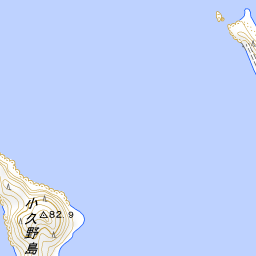
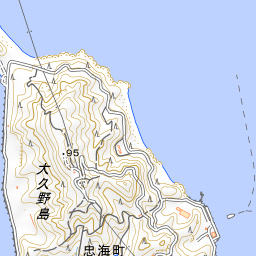

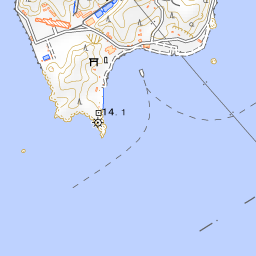

Spot location © OpenStreetMap contributors (ODbL)
Open in Google MapsGuides that include this spot (1)
Use asobot while you walk
- See where you are on the map and find spots nearby
- Listen to the guide's audio in course order, one after another (with subtitles)
- Walk to the next spot while following the map
Open on your phone
Scan to open this spot in asobot on your phone.