 ✨ AI Generated
Tsudo Shiroyama Kofun Burial Mound
Japanese: 津堂城山古墳
Fujiidera, Osaka
This information was written by AI and may contain mistakes. Please check official sources for opening hours, fees, and other details before you go.
Found a mistake? Let us know with “✏️ Something's wrong” on this spot's screen in asobot →
🎧 Audio guide(1:11)
In short
A keyhole-shaped burial mound at the northernmost point of the Furuichi Kofun Group, with its front section facing southeast. It is one of the components of the World Heritage "Mozu-Furuichi Kofun Group," and the mound has a length of 210 meters. According to Osaka Prefecture guidance, it was constructed in the latter half of the 4th century, the earliest in the Furuichi Kofun Group, and it is considered to be the tomb of the first great king among the Furuichi Kofun Group. It was designated a national Historic Site in 1958 (Showa 33).
- One of Japan's Largest Nagamochi-Style Stone Coffins: Discovered in 1912 (Meiji 45) at the summit of the circular rear section. The stone coffin is made of six stone slabs and weighs over 16 tons in total. A replica is displayed outside "Mahora Shiroyama," the adjacent guidance facility
- Island Where Waterfowl-Shaped Haniwa Were Found: In the inner moat, there were square island-like installations on both sides of the front section, and in 1983, three realistic waterfowl-shaped haniwa were discovered on the eastern island. They are designated as Important Cultural Properties
- Park Surrounded by Flowers: A park managed by Fujiidera City, where the paths around the mound bustle with visitors coming to see cherry blossoms and Japanese irises. The summit of the circular rear section is managed by the Imperial Household Agency as the Fujiidera reference site for imperial tombs
History and Highlights
Tsudo Shiroyama Kofun Burial Mound is a keyhole-shaped burial mound located at the northernmost point of the Furuichi Kofun Group, with its rectangular front section facing southeast. As a component of the World Heritage "Mozu-Furuichi Kofun Group," it was inscribed on the World Heritage List in July 2019 (Reiwa 1). The orientation of its front section is thought to have been designed with the view from the Osaka Plain in mind.
The mound has a length of 210 meters and a height of 16.9 meters at its circular rear section, making it the sixth largest in the Furuichi area. The burial mound was built in three tiers, and there are tsukuridashi (projections) on both sides of the constricted section. Because it was used as a castle during the Muromachi period, the shape of the mound has altered, but it is considered possible to reconstruct its original size and shape.
In 1912 (Meiji 45), one of Japan's largest nagamochi-style (chest-shaped) stone coffins was discovered at the summit of the rear circle, enclosed within a pit-style stone burial chamber. Bronze mirrors, iron weapons and armor, and bracelet-shaped stone artifacts were unearthed. According to Osaka Prefecture guidance, the types of burial goods and characteristics of the haniwa (terracotta figures) indicate that it was constructed in the latter half of the 4th century, the earliest in the Furuichi Kofun Group, and it is considered to be the tomb of the first great king among the Furuichi Kofun Group. It was designated a national Historic Site in 1958 (Showa 33).
Highlights and Experiences
- Island Where Waterfowl-Shaped Haniwa Were Found: The mound was encircled by double moats, and within the inner moat were square island-like installations on both sides of the front section. In 1983, three realistic waterfowl-shaped haniwa were discovered on the eastern island, and they are designated as Important Cultural Properties.
- Replica of the Giant Stone Coffin: The stone coffin is made of six stone slabs and weighs over 16 tons in total. The stone was transported from a quarry in Hyogo Prefecture over 100 kilometers away. A replica of the stone coffin is displayed outside "Mahora Shiroyama" adjacent to the burial mound.
- Park Surrounded by Flowers: The mound is maintained as a park managed by Fujiidera City. However, the summit of the circular rear section is managed by the Imperial Household Agency as the Fujiidera reference site for imperial tombs. The paths around the mound bustle with visitors coming to see cherry blossoms and Japanese irises. There are also flower fields with rapeseed flowers and cosmos, a lotus pond, and a plum grove.
Tips for Exploring
It is about a 15-minute walk north from Fujiidera Station on the Kintetsu Minami-Osaka Line. You can also take a Kintetsu Bus from Fujiidera Station and get off at the Koyama bus stop, which is right nearby. On the north side of the circular rear section stands "Mahora Shiroyama," a guidance facility serving as a base for visits. Fujii-dera Temple is located approximately 1.4 kilometers to the south, making it easy to visit together.
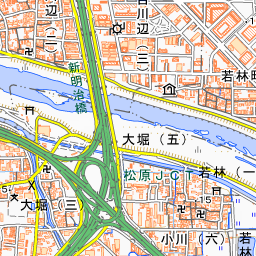
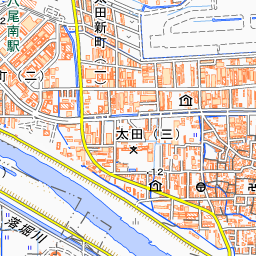
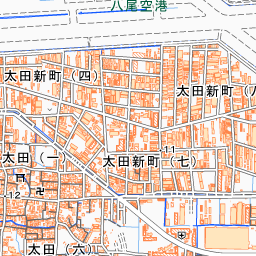
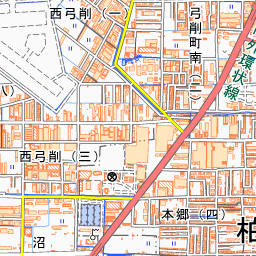

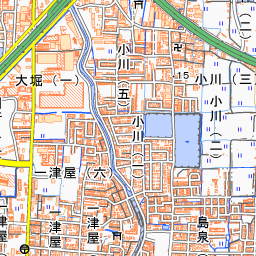
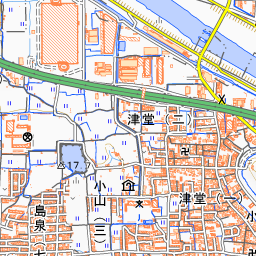
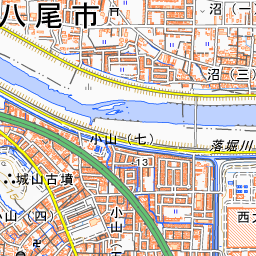
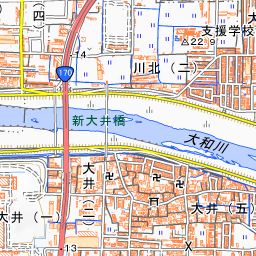
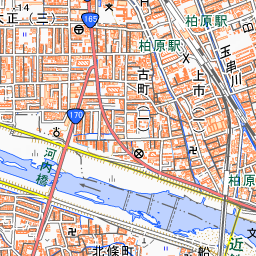

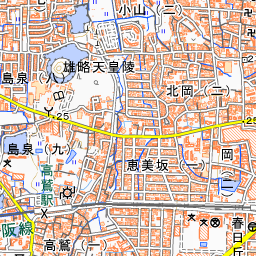
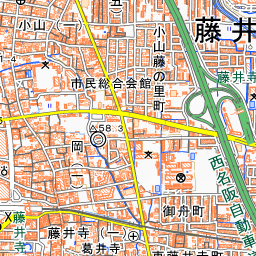
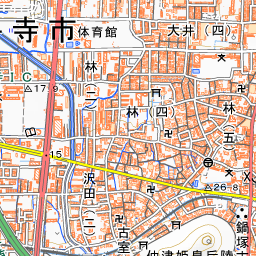
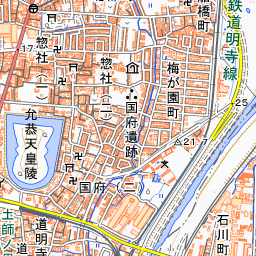
Spot location © OpenStreetMap contributors (ODbL)
Open in Google MapsUse asobot while you walk
- See where you are on the map and find spots nearby
- Listen to the guide's audio in course order, one after another (with subtitles)
- Walk to the next spot while following the map
Open on your phone
Scan to open this spot in asobot on your phone.