 ✨ AI Generated
Hokoku-jinja Shrine
Japanese: 豊国神社
Chuo Ward, Osaka
This information was written by AI and may contain mistakes. Please check official sources for opening hours, fees, and other details before you go.
Found a mistake? Let us know with “✏️ Something's wrong” on this spot's screen in asobot →
🎧 Audio guide(1:05)
In short
A shrine within Osaka Castle dedicated to Lord Toyotomi Hideyoshi, Lord Hideyori, and Lord Hidenaga. Following Emperor Meiji's instruction that Lord Hideyoshi be enshrined in a pure site in Osaka, a separate branch shrine of the main shrine in Kyoto was established on Nakanoshima in the 13th year of Meiji (1880), and after relocation, it moved to its present site in the 36th year of Showa (1961).
- Statue of Lord Toyotomi Hideyoshi: A bronze statue standing 5.2 meters tall including the pedestal, at the entrance of the precinct. The former statue was surrendered in the 18th year of Showa (1943) under the Metal Materials Collection Order, and the current statue was rebuilt in the 19th year of Heisei (2007) by sculptor Nakamura Shinya, based on photographs of the old statue
- Shuseki-tei Garden: A garden designed and guided by Shigemori Mirei and dedicated in the 47th year of Showa (1972). It features the Sennari-byotan (thousand gourds) associated with Lord Hideyoshi in its ground division patterns, and combines giant stones to represent "Ishiyama"
- Wakanaga-jinja Shrine and the Taiko-sai Festival: Wakanaga-jinja Shrine, in the precincts, is an Inari shrine dedicated as a guardian against fire at the mansion of Yodoya, a wealthy merchant. Every year on August 18, the anniversary of Lord Hideyoshi's death, the shrine's most important festival, the Taiko-sai Festival, is held
History and Highlights
Hokoku-jinja Shrine is a shrine dedicated to Lord Toyotomi Hideyoshi, Lord Hideyori, and Lord Hidenaga, located within the grounds of Osaka Castle. The site of Osaka Castle is a stronghold where Ishiyama Hongan-ji Temple resisted Oda Nobunaga for 11 years, and it is said that Lord Hideyoshi chose this location to build his residential castle. It is the place with the deepest connection to the enshrined deities.
In the first year of the Meiji period (1868), Emperor Meiji visited Osaka and instructed that Lord Hideyoshi, who had rendered great service to the nation, be enshrined in a pure site in Osaka. In response to this, the main shrine buildings were constructed in Kyoto in the 6th year of the Meiji period (1873), and in the 13th year of Meiji (1880), a separate branch shrine was established in Osaka on Nakanoshima, at the current site of the Osaka City Central Public Hall. In the first year of the Taisho period (1912), it was relocated to the west of the Prefectural Library due to the construction of the public hall, and later, to accommodate the expansion of the Osaka City Hall building, it moved to its present location within Osaka Castle in January of the 36th year of the Showa period (1961).
Viewing and Experience Highlights
- Statue of Lord Toyotomi Hideyoshi: A bronze statue standing 5.2 meters tall including the pedestal, positioned at the entrance of the precinct. The former statue, erected inside Osaka Castle in the 36th year of Meiji (1903), was moved to the former grounds in Nakanoshima where it was cherished by citizens, but it was surrendered in the 18th year of Showa (1943) under the Metal Materials Collection Order. The current statue was rebuilt in the 19th year of Heisei (2007) by sculptor Nakamura Shinya, who recreated its size and form based on photographs of the old statue. It depicts him clad in a battle surcoat (jinbaori) and armor (gusoku), holding a war fan (gunbai).
- Shuseki-tei Garden: Designed and guided by Shigemori Mirei, a leading garden designer of the Showa period, this garden was dedicated in the 47th year of Showa (1972). It was named using the "Shu" (秀) from Lord Hideyoshi and the "Seki" (石) from "Ishiyama" (石山), the old name of the Osaka Castle site. Aiming to express the sea without using trees or plants, it features the shape of the Sennari-byotan (thousand gourds) associated with Lord Hideyoshi in the ground division patterns, and combines giant stones to represent "Ishiyama."
- Wakanaga-jinja Shrine: Located within the precincts, Wakanaga-jinja Shrine is an Inari shrine originally dedicated as a guardian deity against fire at the mansion of Yodoya, a wealthy merchant who served as Lord Hideyoshi's purveyor. Due to construction work on the Midosuji Subway Line, it was moved to the grounds of Hokoku-jinja Shrine in the 2nd year of Showa (1927), and then to its current site in the 36th year of Showa (1961).
Walking Tips
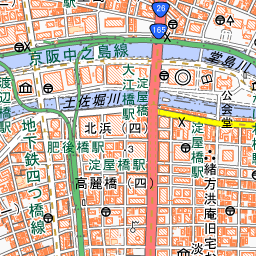
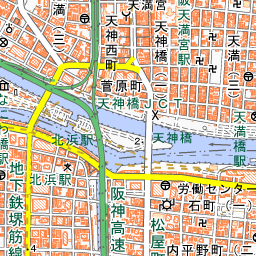
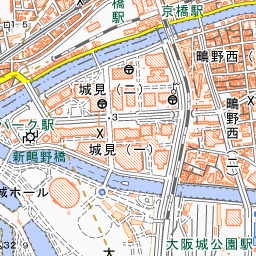
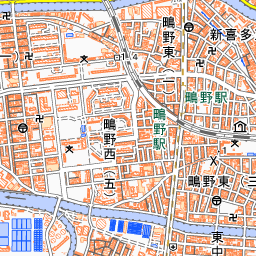
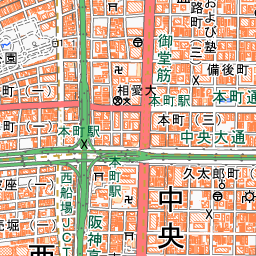
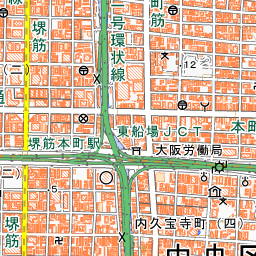
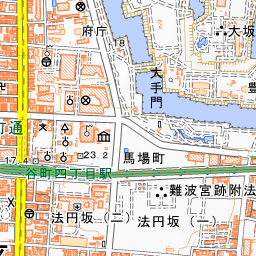
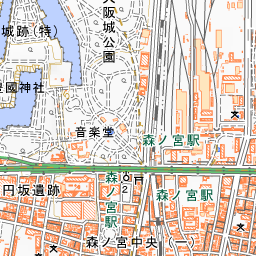
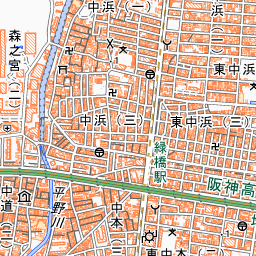
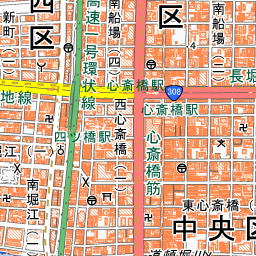
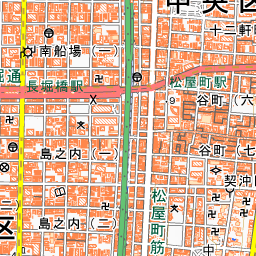
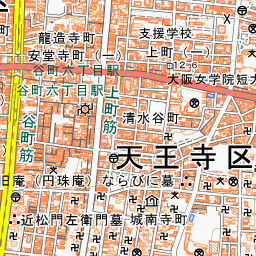
It is about a 13-minute walk from Tanimachi 4-chome Station or Morinomiya Station. Vehicles are not allowed inside the shrine grounds. Every year on August 18, the anniversary of Lord Hideyoshi's death, the shrine's most important festival, the Taiko-sai Festival, is held. You can also explore Osaka Castle about 350 meters to the north, Nishinomaru Garden about 440 meters to the northwest, and Naniwa Palace about 490 meters to the southwest.

Spot location © OpenStreetMap contributors (ODbL)
Open in Google MapsGuides that include this spot (1)
Use asobot while you walk
- See where you are on the map and find spots nearby
- Listen to the guide's audio in course order, one after another (with subtitles)
- Walk to the next spot while following the map
Open on your phone
Scan to open this spot in asobot on your phone.