 ✨ AI Generated
Banknote and Postage Stamp Museum
Japanese: お札と切手の博物館
Kita City, Tokyo
This information was written by AI and may contain mistakes. Please check official sources for opening hours, fees, and other details before you go.
Found a mistake? Let us know with “✏️ Something's wrong” on this spot's screen in asobot →
🎧 Audio guide(1:04)
In short
A museum of the National Printing Bureau, introducing the history of banknotes and postage stamps, as well as anti-counterfeiting technologies. It opened in Ichigaya, Shinjuku Ward in 1971 to commemorate the 100th anniversary of the founding of the Printing Bureau, and relocated to Oji, Kita Ward in March 2011.
- Hands-on Anti-Counterfeiting Technology: Discover banknote anti-counterfeiting features such as 3D holograms and microprinting using various devices.
- Weight of 100 Million Yen: A dedicated corner where you can lift a replica bundle of 100 million yen to feel its weight.
- Historic Banknotes and Stamps: In addition to seeing all major modern and contemporary Japanese banknotes, rare banknotes and stamps from around the world are also on display.
History and Highlights
The Banknote and Postage Stamp Museum is operated by the National Printing Bureau. The National Printing Bureau was established in 1871 under the name Okurasho Shiheishi (Paper Money Bureau of the Ministry of Finance) and has consistently been involved in the production of Japan's banknotes and postage stamps. The museum was opened in Ichigaya, Shinjuku Ward in 1971 to mark the centenary of the Printing Bureau, and moved to Oji, Kita Ward in March 2011.
The first-floor exhibition room introduces the history of anti-counterfeiting technologies. On the second floor, approximately 700 historic banknotes and stamps are displayed, allowing visitors to trace changes in design influenced by shifting social backgrounds and technological advancements. The first place in the world to use banknotes was China, at the end of the 10th century. Banknotes appeared in Japan and Europe about 600 years later.
The official gazette (Kanpo) dated September 2, 1923, was produced by hand on a mimeograph stencil. This was because the Printing Bureau's factory facilities were completely destroyed by fire in the Great Kanto Earthquake, leaving no other means to print the gazette; it is said to have been handwritten by candlelight.
Highlights for Visitors
- Stanhope Printing Press on the 1st Floor: An artifact designated as a national Important Cultural Property that symbolizes the arrival of modern printing technology in Japan. It is said to have been presented to the shogun Tokugawa Ieyoshi in 1850, toward the end of the Edo period, by the head of the Dutch trading post in Nagasaki.
- Anti-Counterfeiting Experience and the 100 Million Yen Bundle: In the interactive corner, you can examine high-definition watermarks, 3D holograms, microprinting, and special luminescent inks. There is also a corner where you can lift a replica bundle of 100 million yen to experience its weight.
- Banknotes and Stamps on the 2nd Floor: You can see all the major modern and contemporary banknotes of Japan. Rare items are also showcased, such as cloth banknotes, stamp-sized banknotes, the world's largest postage stamp (larger than a postcard), and scented stamps. You can also see an engraved portrait of Kido Takayoshi created by Edoardo Chiossone, who introduced modern banknote manufacturing techniques to Japan.
Visiting Tips
The museum is a 3-minute walk from the Central Exit of JR Oji Station and Exit 1 of Oji Station on the Tokyo Metro Namboku Line. The visit takes about 1 hour. Access to the second-floor exhibition room is by stairs only; there are no elevators. During special exhibitions, the display contents on both the first and second floors may change.
Start by viewing the anti-counterfeiting technology on the first floor before heading to the second floor, where you can follow the chronological progression of banknotes through the Meiji, Taisho, Showa, and Heisei eras to see how printing technology advanced and designs evolved.
About 440 meters to the south in Asukayama Park, you will find the Shibusawa Memorial Museum, dedicated to Shibusawa Eiichi whose portrait appears on the new 10,000-yen note, as well as the Paper Museum. About 330 meters to the west lies Oji-jinja Shrine.
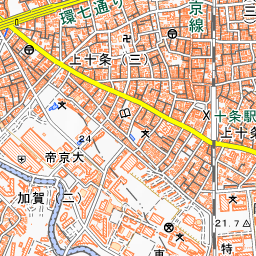
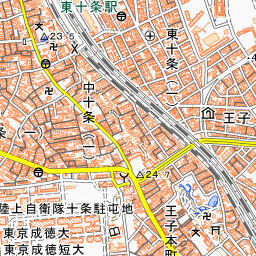
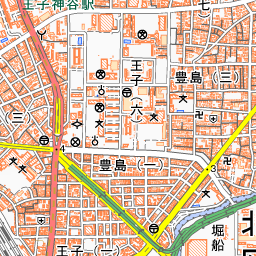
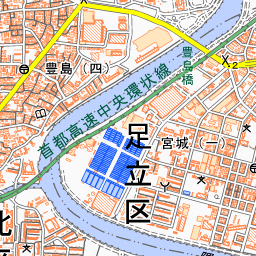
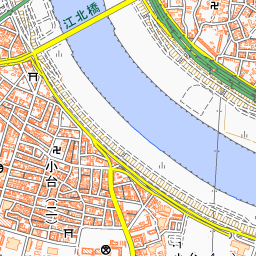
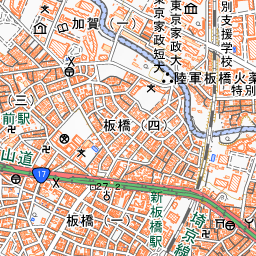
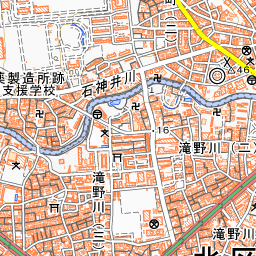
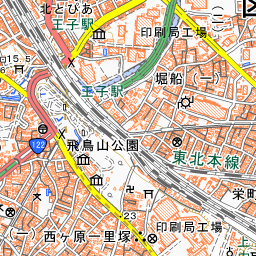
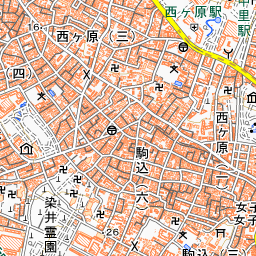
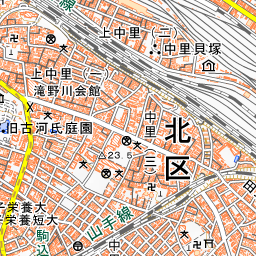
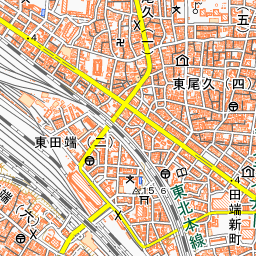
Spot location © OpenStreetMap contributors (ODbL)
Open in Google MapsUse asobot while you walk
- See where you are on the map and find spots nearby
- Listen to the guide's audio in course order, one after another (with subtitles)
- Walk to the next spot while following the map
Open on your phone
Scan to open this spot in asobot on your phone.