 ✨ AI Generated
Kure Naval Cemetery
Japanese: 呉海軍墓地
Kure, Hiroshima
This information was written by AI and may contain mistakes. Please check official sources for opening hours, fees, and other details before you go.
Found a mistake? Let us know with “✏️ Something's wrong” on this spot's screen in asobot →
🎧 Audio guide(1:01)
In short
Kure Naval Cemetery is a former Imperial Japanese Navy cemetery in Kaminagasako-cho, Kure City, open to the public as Nagasako Park. Established in 1890, it now has individual tombstones and joint memorials for specific ships and units, including the monument to the battleship Yamato. It is also one of the cultural properties constituting the Japan Heritage "The Four Dynamic Coastal Cities of Yokosuka, Kure, Sasebo, and Maizuru."
- Battleship Yamato Monument: A monument honoring the battleship Yamato and the crew members who lost their lives aboard her
- Tombstones and Joint Memorials Reflecting the Eras: Individual tombstones erected from the Meiji era to the prewar period stand alongside postwar joint memorials dedicated to specific ships and units. Many of the monuments for Pacific War victims are small, quietly conveying the vast number of lives lost
- Caretakers of the Cemetery: In 1971, a preservation association was formed, primarily by former naval personnel, and it continues to maintain the cemetery today. A joint memorial service is held every year on Autumnal Equinox Day
History and Highlights
Kure Naval Cemetery (Nagasako Park) is a former Imperial Japanese Navy cemetery located in Kaminagasako-cho, Kure City. It was established in 1890, following the opening of the Kure Naval District in 1889. Initially, it served as a burial ground for naval personnel who passed away from illness or other causes while serving aboard ships, and 157 individual tombstones still stand today.
The cemetery suffered heavy damage from air raids during the Pacific War and the Makurazaki Typhoon in 1945. After the war, the land became national property and underwent repairs. It was opened to the public as Nagasako Park in 1947, and ownership was transferred from the national government to Kure City in 1986. Subsequently, joint memorial monuments honoring those who perished by ship or unit were erected, and today many monuments stand here, including the monument to the battleship Yamato. It is also one of the cultural properties constituting the Japan Heritage "The Four Dynamic Coastal Cities of Yokosuka, Kure, Sasebo, and Maizuru."
Viewing and Experience Highlights
- Battleship Yamato Monument: A monument honoring the battleship Yamato and the crew members who lost their lives aboard her. Yamato was a battleship built at the Kure Naval Arsenal, and its history is detailed at the Yamato Museum.
- Tombstones and Joint Memorials Reflecting the Eras: Individual tombstones erected from the Meiji era to the prewar period stand alongside postwar joint memorials dedicated to specific ships and units. Many of the monuments for Pacific War victims are small, quietly conveying the vast number of lives lost. There is also the grave of a British sailor who died in 1907.
- Caretakers of the Cemetery: In 1971, a preservation association was formed, primarily by former naval personnel, and it continues to maintain the cemetery today. A joint memorial service is held every year on the Autumnal Equinox Day.
Travel Tips
You can reach the vicinity by local bus from Kure Station. As the park grounds are a place of memorial, please observe quiet and respectful manners in front of the monuments. You can deepen your understanding of Kure's naval history by visiting this site along with the Yamato Museum, the JMSDF Kure Museum, and the Irifuneyama Memorial Museum, which preserves the former official residence of the Commander-in-Chief of the Kure Naval District.
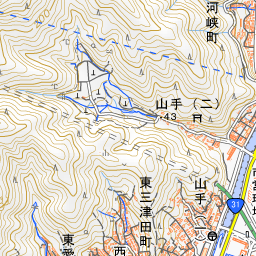
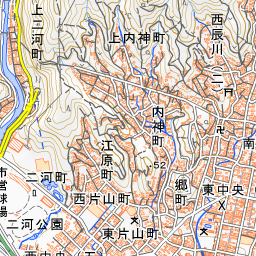
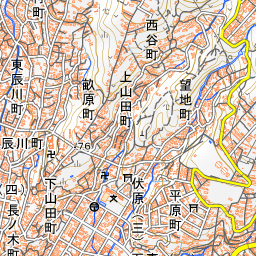
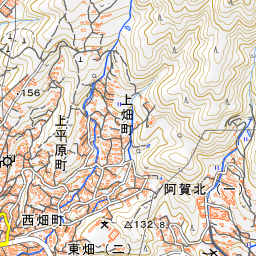
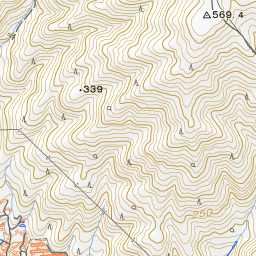
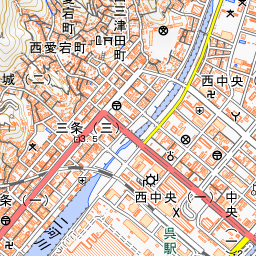
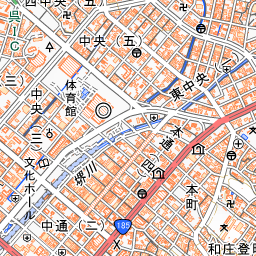
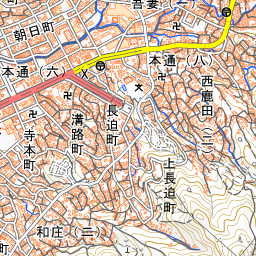

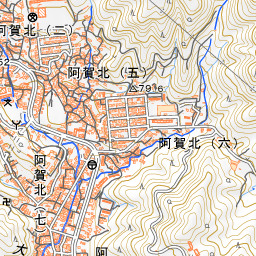
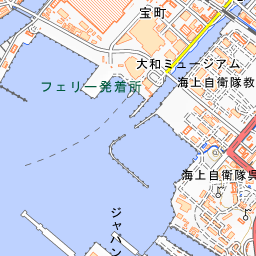
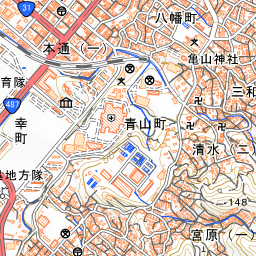
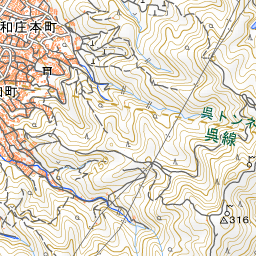
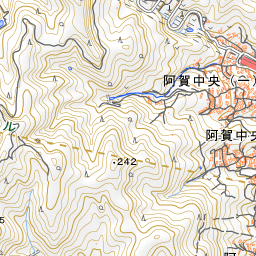
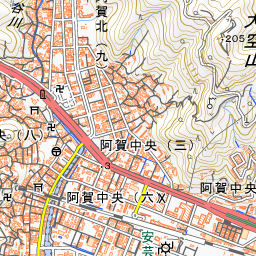
Spot location © OpenStreetMap contributors (ODbL)
Open in Google MapsUse asobot while you walk
- See where you are on the map and find spots nearby
- Listen to the guide's audio in course order, one after another (with subtitles)
- Walk to the next spot while following the map
Open on your phone
Scan to open this spot in asobot on your phone.