 ✨ AI Generated
Hiroshima Castle
Japanese: 広島城
Naka Ward, Hiroshima
This information was written by AI and may contain mistakes. Please check official sources for opening hours, fees, and other details before you go.
Found a mistake? Let us know with “✏️ Something's wrong” on this spot's screen in asobot →
🎧 Audio guide(1:04)
In short
Hiroshima Castle is a fortress whose construction was begun in 1589 by Mori Terumoto, and building the castle and its castle town on a delta at the mouth of the Ota River marked the beginning of the city of Hiroshima. The castle tower was lost due to the atomic bomb in 1945, and the present castle tower was reconstructed in 1958. The castle was closed in March 2026, and visitors can no longer enter the inside.
- Exterior of the Castle Tower: Even after the closure, the appearance of the post-war reconstructed castle tower can be viewed from the open spaces of the honmaru or around the moats
- Reconstructed Buildings of the Ninomaru: The Omote-gomon Gate, Gomon-bashi Bridge, and the Hira-yagura, Tamon-yagura, and Taiko-yagura turrets, lost to the atomic bombing, were reconstructed out of wood between 1989 and 1994
- Strolling the Castle Ruins: The castle ruins, designated a National Historic Site in 1953, are filled with many trees, making them well-suited for a stroll through the four seasons
History and Highlights
Hiroshima Castle is a fortress whose construction was begun in 1589 by Mori Terumoto. Building the castle and its surrounding castle town on a delta at the mouth of the Ota River, where small islands and sandbars were dotted, marked the beginning of the city of Hiroshima. It is also known as Rijo (Carp Castle). After the Mori clan, Fukushima Masanori became the lord of the castle, and from 1619 until 1869, the Asano clan ruled here for approximately 250 years. In the Meiji period, military facilities were established within the castle grounds, and during the First Sino-Japanese War, the Imperial General Headquarters was placed in the honmaru (main bailey).
The castle tower was designated a National Treasure in 1931, but it was lost along with the castle gates and yagura (turrets) due to the atomic bomb in 1945. The present castle tower was reconstructed out of reinforced concrete in 1958 and served as a museum for a long time. However, due to the deterioration of the concrete and the aging of its facilities, the castle was closed in March 2026, and visitors can no longer enter the inside. The museum role that the castle tower fulfilled will be passed on to the "Hiroshima Castle Sannomaru Museum," which is scheduled to open in the sannomaru (third bailey). The castle ruins were designated a National Historic Site in 1953.
Points for Viewing and Experiencing
- Exterior of the Castle Tower: Even after the closure of the interior, the appearance of the castle tower can still be viewed from the outside. Try looking up at the post-war reconstructed tower from the open spaces of the honmaru or around the moats.
- Reconstructed Buildings of the Ninomaru: The Omote-gomon Gate, Gomon-bashi Bridge, and the Hira-yagura, Tamon-yagura, and Taiko-yagura turrets were lost to the atomic bombing and then reconstructed out of wood between 1989 and 1994. You can observe up close the line of the gate and turrets that once protected the castle entrance.
- Hiroshima Gokoku-jinja Shrine in the Honmaru: Hiroshima Gokoku-jinja Shrine stands on the site of the honmaru. For information on the shrine, please refer to the "Hiroshima Gokoku-jinja Shrine" spot entry.
Strolling Tips
Crossing the moat via the Gomon-bashi Bridge and passing through the Omote-gomon Gate of the ninomaru (second bailey) to proceed to the honmaru allows you to trace the layout of the castle's defenses as you walk. The castle grounds are filled with many trees, making it well-suited for a stroll through the four seasons. Since it is within walking distance of the Atomic Bomb Dome and Hiroshima Peace Memorial Park, visiting them together is recommended. Once the museum in the sannomaru opens, you will be able to learn about the history and materials of the castle in detail there.

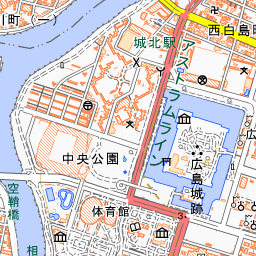
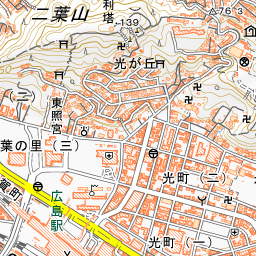
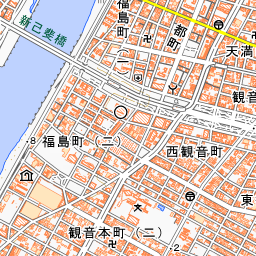
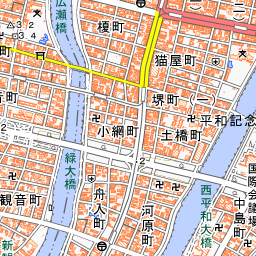
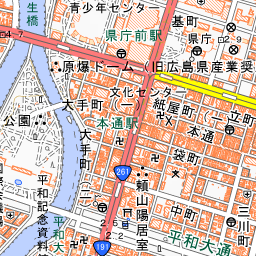
Spot location © OpenStreetMap contributors (ODbL)
Open in Google MapsGuides that include this spot (1)
Use asobot while you walk
- See where you are on the map and find spots nearby
- Listen to the guide's audio in course order, one after another (with subtitles)
- Walk to the next spot while following the map
Open on your phone
Scan to open this spot in asobot on your phone.