 ✨ AI Generated
Former Shiga Naoya Residence
Japanese: 志賀直哉旧居
Nara City, Nara
This information was written by AI and may contain mistakes. Please check official sources for opening hours, fees, and other details before you go.
Found a mistake? Let us know with “✏️ Something's wrong” on this spot's screen in asobot →
🎧 Audio guide(1:02)
In short
The Former Shiga Naoya Residence is a home designed by Shirakabaha (White Birch Society) novelist Shiga Naoya himself, where he lived with his family for nine years starting in 1929. Located in the Takabatake neighborhood, the house incorporates Western-style touches into a traditional sukiya-style design. It served as a gathering place for many cultural figures and came to be called the "Takabatake Salon."
- Sunroom and Dining Room: A social space where literary figures gathered, featuring a Western-style dining room and an adjoining sunroom set one step lower.
- The Study of A Dark Night's Passing (An'ya Koro): Shiga Naoya finished his only full-length novel, A Dark Night's Passing, in this house.
- Cultural Properties of Nara: The building is a Nara Prefecture-designated Tangible Cultural Property, and its garden is designated as a cultural property by Nara City.
History and Highlights
The Former Shiga Naoya Residence is a home conceived by the Shirakabaha novelist Shiga Naoya himself. It was completed in 1929 by Kyoto sukiya-style master carpenter Shimojima Matsunosuke. Shiga Naoya, who moved 23 times in his lifetime, lived here with his family for nine years beginning in 1929. His only full-length novel, A Dark Night's Passing, was completed at this site.
The property is situated in an area where shake (hereditary priestly families) of Kasuga Shrine once lived. The property is enclosed by earthen walls, and the front gate sits toward the west on the north side. The omoya (main building) consists of four wings arranged in a U-shape. The central dining room and sunroom combine a sukiya architectural base with modern Western-style accents, blending the two styles harmoniously.
Attracted by their admiration for Shiga Naoya, numerous cultural figures such as Mushanokoji Saneatsu and Umehara Ryuzaburo gathered here, turning the residence into a center of intellectual exchange known as the "Takabatake Salon."
After Shiga Naoya relocated in 1938, the house was sold, and following the war, it was requisitioned by the Allied Occupation Forces. It was later utilized as a welfare pension retreat facility. When a plan to rebuild the property arose, a preservation movement emerged, leading Nara Gakuen to purchase it in 1978. Today, it is used as a seminar house while also being open to the public. The building is a Nara Prefecture-designated Tangible Cultural Property, and the garden became a Nara City-designated cultural property in 2026.
Highlights for Viewing and Experiencing
- Dining Room and Sunroom: The focal point of the main building is the dining room and sunroom in the south wing. The dining room is a Western-style room with wooden flooring and a built-in sofa on the east side. The sunroom, set one step lower, features roof-tile floor paving, an open-timber ceiling showing the structural framework, and a skylight window near the roof ridge.
- The Study Where A Dark Night's Passing Was Completed: Visitors can also view the study where Shiga Naoya finished A Dark Night's Passing. In addition to the study and sunroom, the residence also featured a recreation room.
- Blending of Japanese and Western Styles: The overall design is Japanese, while incorporating rooms that blend Japanese and Western aesthetics inside—a characteristic frequently seen in modern residences in Nara Prefecture. The former residence is considered a quintessential example of this style.
Tips for Exploring
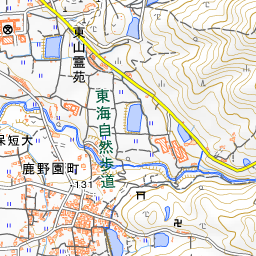
Takabatake is the former grounds of Shin-Yakushi-ji Temple, which possessed vast temple precincts during the Nara period. From the Taisho era to the early Showa era, it was also a neighborhood where many writers and artists based their activities.
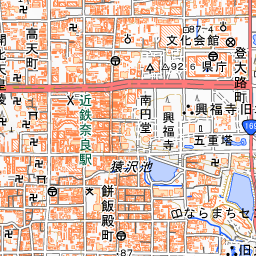
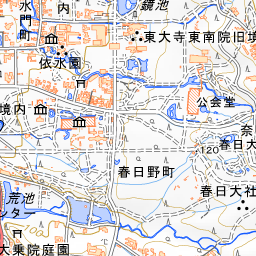
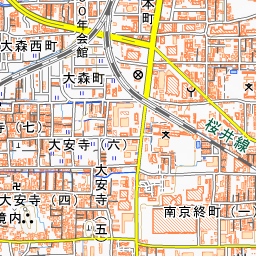
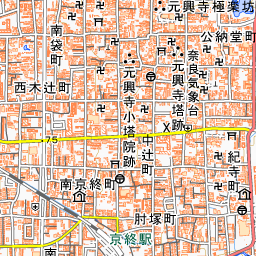
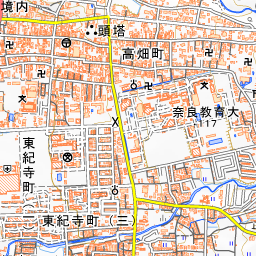
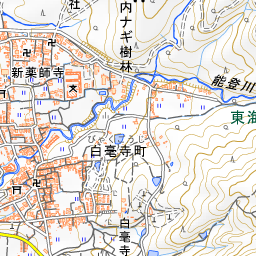
Heading approximately 300 meters southeast from the residence brings you to Shin-Yakushi-ji Temple, and about 380 meters northeast leads to Kasuga-taisha Shrine. Going about 440 meters west brings you to Zuto Pagoda. It is recommended to stroll through the streets of Takabatake together with visits to Shin-Yakushi-ji Temple and Byakugo-ji Temple.

Guides that include this spot (1)
Use asobot while you walk
- See where you are on the map and find spots nearby
- Listen to the guide's audio in course order, one after another (with subtitles)
- Walk to the next spot while following the map
Open on your phone
Scan to open this spot in asobot on your phone.