 ✨ AI Generated
Nara Prefectural Museum of Art
Japanese: 奈良県立美術館
Nara City, Nara
This information was written by AI and may contain mistakes. Please check official sources for opening hours, fees, and other details before you go.
Found a mistake? Let us know with “✏️ Something's wrong” on this spot's screen in asobot →
🎧 Audio guide(1:07)
In short
The Nara Prefectural Museum of Art is a prefectural museum located adjacent to Nara Park. It opened in March 1973, prompted by the donation of works collected by Yoshikawa Kanpo, a Japanese-style painter and researcher of manners and customs history. The museum houses over 4,600 works ranging from the Kamakura period to the modern and contemporary eras, including paintings and crafts.
- Yoshikawa Kanpo Collection: Comprising approximately 2,000 items such as ukiyo-e prints and dyed textiles, tracing the history of clothing and manners and customs from the Edo to the Meiji periods.
- Ceramics of Tomimoto Kenkichi: Houses about 200 works by Tomimoto Kenkichi, a Nara-born artist considered a master of modern ceramic art.
- Collection Exhibitions and Special Exhibitions: With no permanent exhibition, the museum holds special exhibitions and collection exhibitions showcasing its holdings from various perspectives.
History and Highlights
The Nara Prefectural Museum of Art is a prefectural museum standing beside Nara Park, where deer roam and Mt. Wakakusa can be viewed. It is also close to Kintetsu-Nara Station. Construction of the building was completed in July 1972 (Showa 47), and a completion ceremony was held in March of the following year. The inaugural exhibition celebrating the museum's opening was the "Tomimoto Kenkichi Exhibition."
The opening was prompted by the donation of Edo-period Japanese-style paintings, ukiyo-e, crafts, and other items collected by Yoshikawa Kanpo, a researcher of manners and customs history and Japanese-style painter. Later, large collections were also donated by Yura Tetsuji, Ohashi Kaichi, and others. Today, the collection exceeds 4,600 pieces, encompassing paintings, crafts, sculptures, calligraphy, and materials on manners and customs from the Kamakura period to the present day. Since 1989, the museum has also held international exchange art exhibitions with foreign institutions such as the State Hermitage Museum.
Viewing and Experience Highlights
- Yoshikawa Kanpo Collection: Consists of around 2,000 items, including early modern paintings like ukiyo-e as well as crafts such as dyed textiles. It is a collection that traces the history of clothing and manners from the Edo to the Meiji periods, and it led to the founding of the museum.
- Yura Collection and Ohashi Collection: Yura Tetsuji was a philosopher of history born in what is now Nyu-cho, Nara City. Around 100 works were donated from his collection, including "Beauty (Bijin-zu)" by Soga Shohaku and the folding screen "Autumn and Winter Landscapes (Shuto Sansui-zu Byobu)" attributed to Sesshu. The Ohashi Kaichi collection consists of about 500 paintings, offering a view of avant-garde Japanese art movements of the 1950s and 1960s.
- Works by Tomimoto Kenkichi: The museum houses approximately 200 works by Tomimoto Kenkichi, a Nara native considered a master of modern ceramic art. In March 2026, all works by Tomimoto Kenkichi in the museum's collection were made available digitally.
Tips for Exploring
The museum is about a 5-minute walk east from Exit 1 of Kintetsu-Nara Station. Without a permanent exhibition, it holds collection exhibitions presenting the collection through various angles, alongside a variety of special exhibitions. Since displays change from time to time, it is best to visit targeting the exhibition currently being held. Kofuku-ji Temple is about 320 meters to the south, Yoshikien Garden is about 430 meters to the east, and Isuien Garden is about 490 meters to the east. It is an easy place to drop by while strolling through Nara Park.
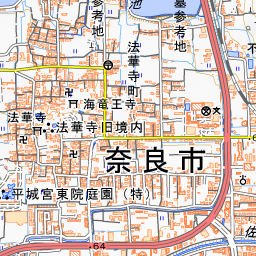
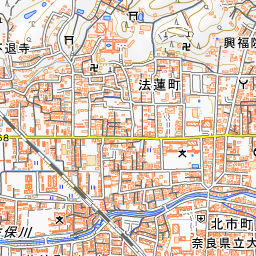
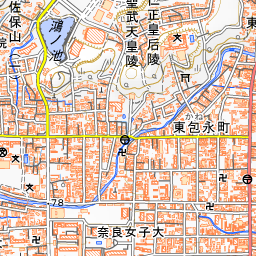
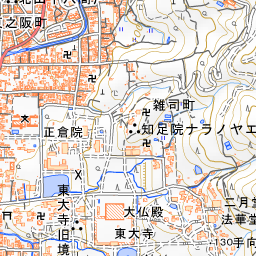
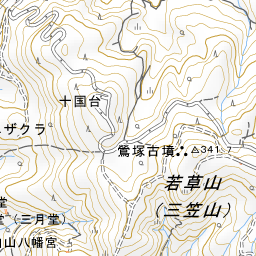
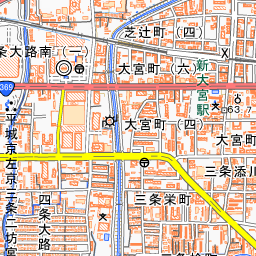

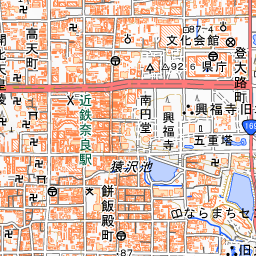
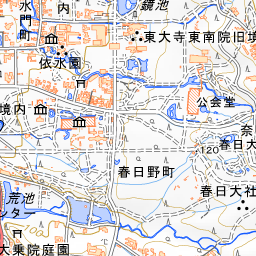
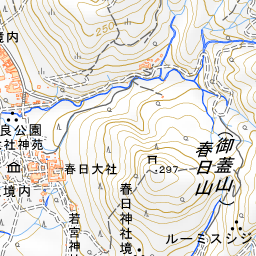
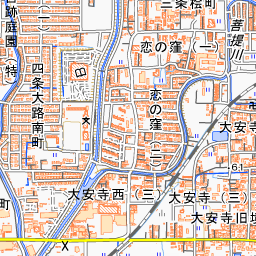
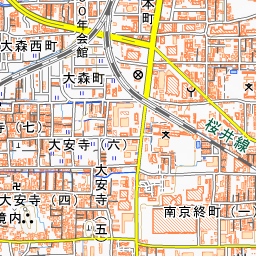
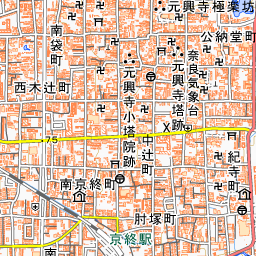
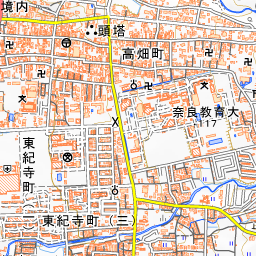
Spot location © OpenStreetMap contributors (ODbL)
Open in Google MapsUse asobot while you walk
- See where you are on the map and find spots nearby
- Listen to the guide's audio in course order, one after another (with subtitles)
- Walk to the next spot while following the map
Open on your phone
Scan to open this spot in asobot on your phone.