 ✨ AI Generated
Kyoto University Ashiu Forest Research Station
Japanese: 京都大学芦生研究林
Nantan, Kyoto
This information was written by AI and may contain mistakes. Please check official sources for opening hours, fees, and other details before you go.
Found a mistake? Let us know with “✏️ Something's wrong” on this spot's screen in asobot →
🎧 Audio guide(1:10)
In short
Kyoto University Ashiu Forest Research Station is a research forest of Kyoto University in Miyama-cho, Nantan City, Kyoto Prefecture. About 4,200 hectares of forest spread across the northeastern part of the prefecture, bordering Fukui and Shiga Prefectures. Members of the public may walk here after applying, but only on day trips, from after the safety check in April until the snowfall in December.
- Trees that change with the slopes: On the upper parts of the slopes there are many Ashiu cedars; in the middle, Japanese beech and mizunara oak; and along the streams, many Japanese horse chestnut and wingnut trees
- Natural forest and many plants: More than 1,000 plant species have been confirmed, and about half of the area is natural forest untouched by people since it became a research forest, regarded as one of the foremost in western Japan
- The forest railway and guided tours: You can walk along the forest railway, a Modern Industrial Heritage Site, up to just before the Takeyakuri Bridge, and the deeper forest is visited on guided tours by the Ashiu Moribito Association
History and Highlights
Kyoto University Ashiu Forest Research Station is a research forest of Kyoto University located in Miyama-cho, Nantan City, Kyoto Prefecture. Spanning approximately 4,200 hectares, the forest spreads across the northeastern part of the prefecture bordering Fukui and Shiga prefectures. As an educational and research facility, visits by the general public through application are limited to day trips only, permitted between the post-safety check period in April and the onset of snowfall in December.
The history of the research forest began in 1921 when Kyoto Imperial University leased part of a local communal forest and established it as the Ashiu Experimental Forest. The current name, Ashiu Forest Research Station, has been used since 2003.
The forest covers the headwaters of the Yura River, and because it is situated in a transition zone between the Sea of Japan and Pacific Ocean climate types, plant diversity is abundant, with more than 1,000 plant species confirmed. Approximately half of the area consists of natural forest that has remained untouched by human hands since becoming a research forest, making it regarded as one of western Japan's foremost large-scale surviving forests.
Viewing and Experience Highlights
- Trees Changing with the Slopes: On the upper parts of the slopes, Ashiu cedar is abundant; Japanese beech and mizunara oak thrive along the middle elevations; and Japanese horse chestnut and wingnut flourish in moist areas along streams. Ashiu cedar features a growth pattern unique to snowy regions, where lower branches weighed down by snow touch the ground, take root, and eventually develop into individual trees.
- Walking Along the Forest Railway: The research forest features a forest railway track that was selected in 2008 as a Modern Industrial Heritage Site by the Ministry of Economy, Trade and Industry. General visitors walking into the forest can follow along the tracks up to just before the Takeyakuri Bridge.
- Venture into the Deep Forest on a Guided Tour: Areas around the upper valley near the headwaters of the Yura River and the vicinity of the Giant Katsura tree are off-limits to general individual entry. They can be visited by joining a guided tour organized by the Ashiu Moribito Association, which holds an agreement with the research station.
Tips for Exploring
Areas accessible to general visitors are limited to the forest road up to Keyakizaka, the Bunanoki Pass trail, and the railway tracks up to just before the Takeyakuri Bridge, with group sizes limited to fewer than 10 people. Applications can be made on the day: visitors register upon entry and exit at the research station office on weekdays, and submit an application form in the temporary entry box on weekends and public holidays. Cars and bicycles are not allowed inside the research forest, so visitors must walk from the parking lot at Ashiu Yama-no-Ie situated before the entrance. Taking plants, animals, or stones, using fire, and bringing pets are prohibited, and all trash must be carried out. In the event of heavy rain, Kyoto Prefectural Road Route 38 leading to the research forest may be closed to traffic.
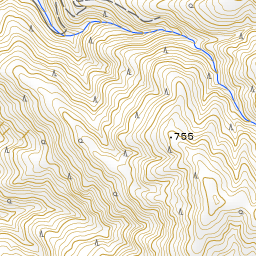
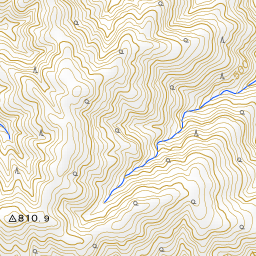
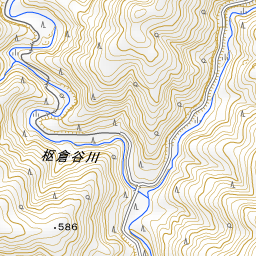
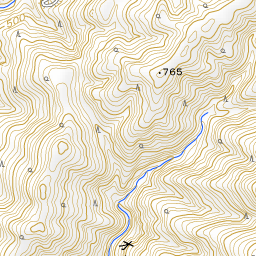
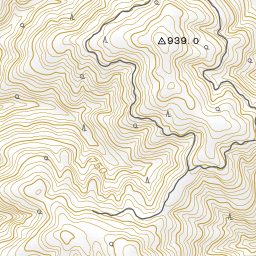
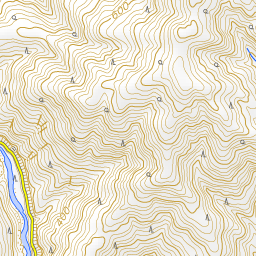
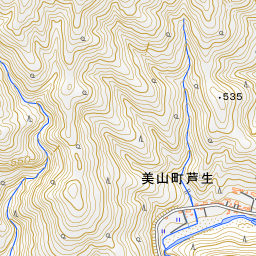
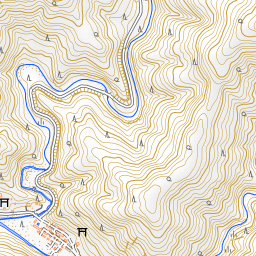
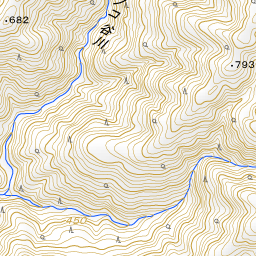
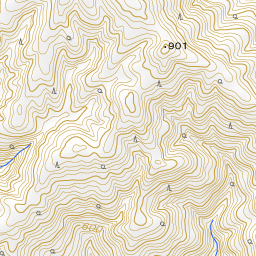
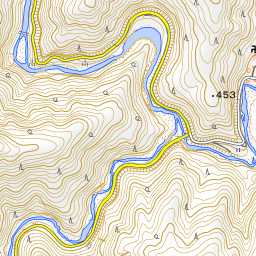
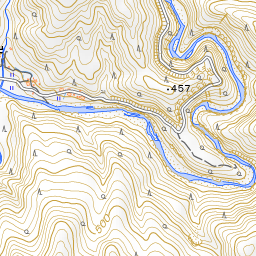
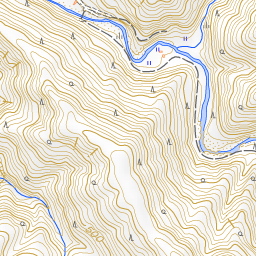
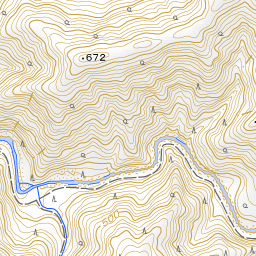
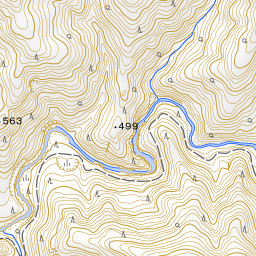
Spot location © OpenStreetMap contributors (ODbL)
Open in Google MapsUse asobot while you walk
- See where you are on the map and find spots nearby
- Listen to the guide's audio in course order, one after another (with subtitles)
- Walk to the next spot while following the map
Open on your phone
Scan to open this spot in asobot on your phone.