 ✨ AI Generated
Yoshikawa Eiji Memorial Museum
Japanese: 吉川英治記念館
Ome, Tokyo
This information was written by AI and may contain mistakes. Please check official sources for opening hours, fees, and other details before you go.
Found a mistake? Let us know with “✏️ Something's wrong” on this spot's screen in asobot →
🎧 Audio guide(1:04)
In short
The Yoshikawa Eiji Memorial Museum is the former residence in Yugi-machi, Ome City, where the author Yoshikawa Eiji—known for works such as Miyamoto Musashi and New Tale of the Heike—lived with his family for about nine years. The main building (omoya), Western-style building, earthen storehouse, and nagayamon gate are registered as a national Tangible Cultural Property under the name "Former Yoshikawa Eiji Residence (Soshido)." Since 2020, it has been open to the public as a facility of Ome City.
- The Main Building of Soshido: A large sericultural farmhouse from the Meiji period, renovated after the war based on Yoshikawa Eiji's own design, where visitors can remove their shoes and step inside
- Exhibition Rooms by Taniguchi Yoshiro: The museum building was designed by the architect Taniguchi Yoshiro, serving as a memorial museum that passes down valuable materials related to Yoshikawa Eiji to future generations
- Giant Chinquapin Tree and Garden: Features a chinquapin tree said to be 500 to 600 years old, as well as a walking path where visitors can enjoy seasonal flowers and trees
History and Highlights
Yoshikawa Eiji was an author known for historical novels such as Miyamoto Musashi, Romance of the Three Kingdoms, and New Tale of the Heike. Born in 1892 in present-day Yokohama City, he was beloved by a wide readership from before the war through the postwar era.
Around 1939, Yoshikawa Eiji purchased an old family estate in Yugi, Yoshino Village (now Yugi-machi, Ome City). He actually moved in during March 1944, as air raids drew closer to Tokyo. He lived in this house with his family for about nine years until moving away in August 1953. For about three years following the end of the war, he laid down his pen, but in April 1950, he began serializing New Tale of the Heike, which became one of his masterworks. Yoshikawa Eiji named the main building of this residence "Soshido." In 1962, he became the second honorary citizen of Ome City, following Kawai Gyokudo.
In March 1977, the Yoshikawa Eiji Memorial Museum opened on the grounds of the former residence. Although it temporarily closed in March 2019, it was donated to Ome City and reopened as the "Ome City Yoshikawa Eiji Memorial Museum" on September 7, 2020, the anniversary of his death. In February 2023, the main building, Western-style building, earthen storehouse, and nagayamon gate were registered as a national Tangible Cultural Property (structures) under the name "Former Yoshikawa Eiji Residence (Soshido)."
Viewing and Experience Points
- Main Building (Omoya): A large sericultural farmhouse from the Meiji period, renovated after the war based on Yoshikawa Eiji's own design. The roof features three smoke outlets (kemudashi), conveying the distinctive characteristics of Meiji-era sericultural farmhouses. The Japanese-Western hybrid reception room in the earthen-floor area served as a waiting area for editors, designed with particular care by Yoshikawa. The two adjacent 10-tatami-mat rooms opening out to the garden were used for writing and as a bedroom. Visitors can take off their shoes to enter the main building.
- Western-style Building and Exhibition Rooms: The Western-style building was built in the late Meiji period in a Western style and was also used as a study. The exhibition rooms were designed by the architect Taniguchi Yoshiro. Ome City operates this memorial museum to protect Yoshikawa Eiji's many valuable materials from being dispersed and to preserve them for future generations.
- Garden and Chinquapin Tree: There is a walking path within the garden where seasonal flowers and trees can be enjoyed. The garden is home to a giant chinquapin tree said to be 500 to 600 years old. Yoshikawa Eiji would sometimes enjoy open-air tea ceremonies (nodate) beneath this tree.
Walking Tips
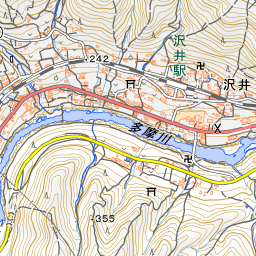
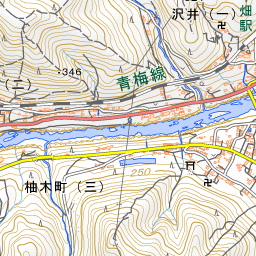
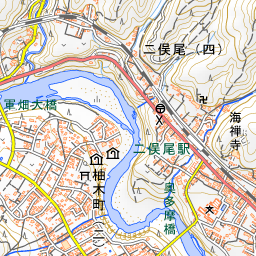
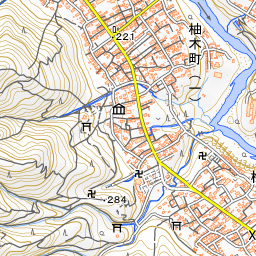
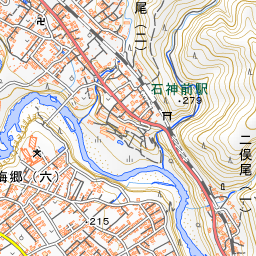
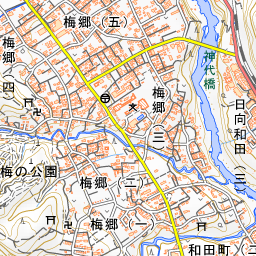
It is a 15-minute walk from Futamatao Station on the JR Ome Line. The nagayamon gate was used as a book storehouse and storage room when Yoshikawa Eiji lived here. Every year on September 7, the anniversary of his death, the Eiji-ki memorial service is held in his honor. About 1.3 kilometers to the southeast lies the Ome City Plum Park.


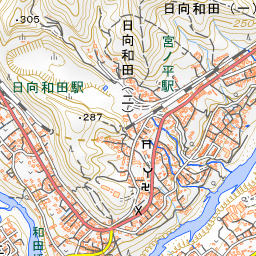
Spot location © OpenStreetMap contributors (ODbL)
Open in Google MapsUse asobot while you walk
- See where you are on the map and find spots nearby
- Listen to the guide's audio in course order, one after another (with subtitles)
- Walk to the next spot while following the map
Open on your phone
Scan to open this spot in asobot on your phone.