 ✨ AI Generated
Fuchu Art Museum
Japanese: 府中市美術館
Fuchu, Tokyo
This information was written by AI and may contain mistakes. Please check official sources for opening hours, fees, and other details before you go.
Found a mistake? Let us know with “✏️ Something's wrong” on this spot's screen in asobot →
🎧 Audio guide(1:02)
In short
Fuchu Art Museum is an art museum located inside the verdant Tokyo Metropolitan Fuchu-no-mori Park. It opened in October 2000 under the theme "Life and Art: An Art Museum for Reassessing Daily Life Connected with Beauty." With a focus on paintings from the late Edo period to the modern day, it holds a collection of over 2,700 works.
- Collection: Centered on modern Western-style paintings (yoga), it extends from late Edo-period paintings by Shiba Kokan and others to prints, photographs, and video works.
- Works by Ushijima Noriyuki: In 1998, prior to the opening of the museum, 111 works were donated to Fuchu City by his surviving family.
- Open Studio: Artists visit this permanent room on the first floor to create their works.
History and Highlights
Fuchu Art Museum is located inside the verdant Tokyo Metropolitan Fuchu-no-mori Park. It opened in October 2000 under the theme "Life and Art: An Art Museum for Reassessing Daily Life Connected with Beauty."
The building has two stories above ground and one basement level. Aiming to harmonize with the park, its height is kept low, and natural materials such as limestone and glass are used. On the first floor, there are an art library, a civic gallery, a museum shop, and a cafe. The second floor is the exhibition space.
The collection exceeds 2,700 items, focusing on paintings from the late Edo period to the present day. Centered on modern Western-style paintings, it also extends to prints, photographs, three-dimensional works, and video works. The acquisitions focus on approachable modern and contemporary Japanese art, while also taking into account connections with Western art. Major represented artists include Shiba Kokan and Aodo Denzen from the late Edo period, as well as Aoki Shigeru, Kishida Ryusei, Murayama Kaita, and Matsumoto Shunsuke.
In 1998, prior to the museum's opening, 111 works by Western-style painter Ushijima Noriyuki were donated to Fuchu City by his surviving family. Ushijima, who was born in Kumamoto City, painted Japanese landscapes without traveling abroad and was awarded the Order of Culture.
Highlights for Viewing and Experiencing
- Collection Exhibitions: Around 60 to 80 items are selected and exhibited at any given time. The approach changes with each exhibition period, such as gently connecting works from different eras and regions. Works by Ushijima Noriyuki are also introduced.
- Open Studio: Artists visit this permanent room on the first floor to produce artwork. It is a place where you can witness the site of art being created. While artists do not come every day, you can view completed works or works in progress even on non-production days.
- Spring Edo Painting Festival: The temporary exhibition galleries on the second floor hold a wide variety of exhibitions, and the Spring Edo Painting Festival has been held many times to date.
Tips for Exploring
The nearest bus stop is "Tenjincho Nichome (Fuchu Art Museum)" on the Keio Bus line, from which it is a 3-minute walk. Buses bound for this bus stop run from Fuchu Station on the Keio Line and Musashi-Koganei Station on the JR Chuo Line. It is a 17-minute walk from the North Exit of Higashi-Fuchu Station on the Keio Line.
After viewing the exhibitions, stopping by the cafe on the first floor is recommended. You can enjoy tea, coffee, and light meals while taking in the changing seasons of Fuchu-no-mori Park. The terrace seats are also suitable for a break during a stroll on a sunny day. The building is designed to integrate with the park. Be sure to also appreciate the greenery seen through the glass.
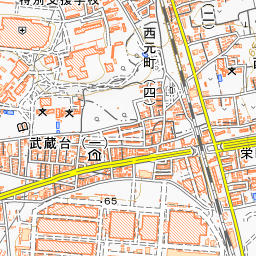
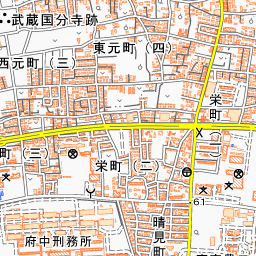
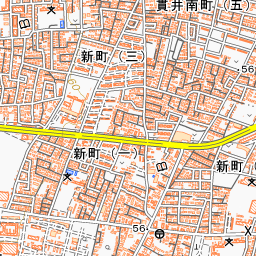
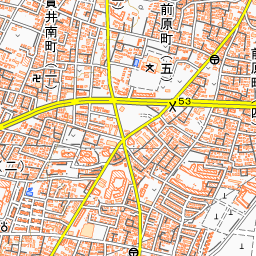
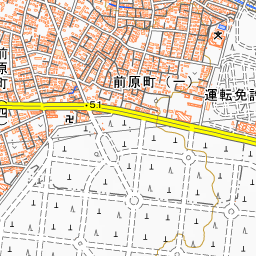
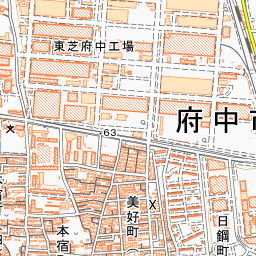
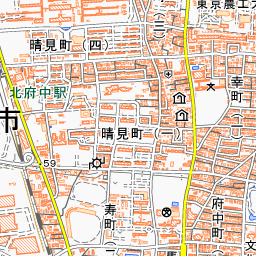
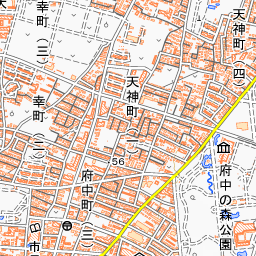
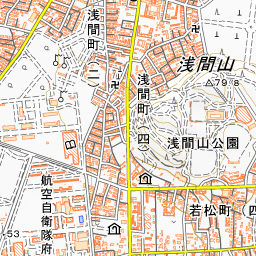
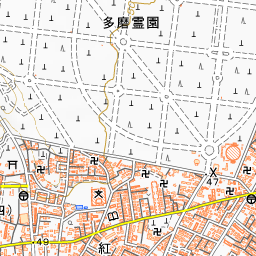
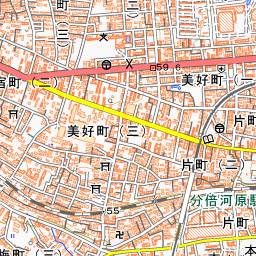
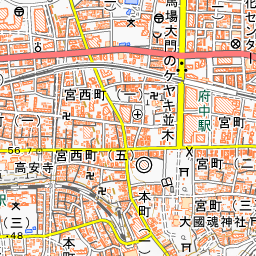
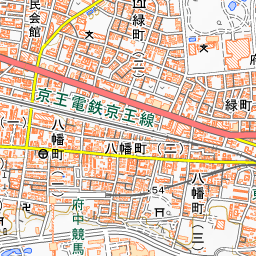
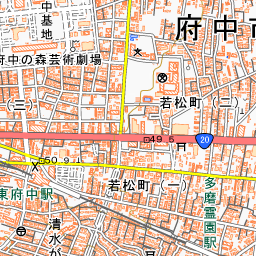
Spot location © OpenStreetMap contributors (ODbL)
Open in Google MapsUse asobot while you walk
- See where you are on the map and find spots nearby
- Listen to the guide's audio in course order, one after another (with subtitles)
- Walk to the next spot while following the map
Open on your phone
Scan to open this spot in asobot on your phone.