 ✨ AI Generated
Jindaiji Natural Onsen Yumori-no-Sato
Japanese: 深大寺天然温泉 湯守の里
Chofu, Tokyo
This information was written by AI and may contain mistakes. Please check official sources for opening hours, fees, and other details before you go.
Found a mistake? Let us know with “✏️ Something's wrong” on this spot's screen in asobot →
🎧 Audio guide(1:00)
In short
Jindaiji Natural Onsen Yumori-no-Sato is a day-use natural hot spring facility located in Jindaiji Motomachi, Chofu City. The black water (kuroyu), pumped from a geological layer 1,500 meters underground, is fed directly into the baths at its original concentration without any added water. Visitors can tour bathtubs with various ambiances, from indoor baths built with natural materials such as bamboo and charcoal to open-air baths situated in an untouched natural environment.
- Pitch-Black Kuroyu: The dark color originates from "humic acid," an organic substance formed by the maturation of plants such as kelp and ferns.
- Distinctive Bathtubs: Features include Goemon-buro (cauldron-style baths), Takimi-buro (waterfall-view baths), and "Yume no Ukiburo" (Dream Floating Bath), where images of the sky and goldfish are projected onto the ceiling.
- Kura Stone Bed Bathing: A bedrock bath facility utilizing a traditional storehouse (kura) located on what was originally private residential grounds.
History and Highlights
Jindaiji Natural Onsen Yumori-no-Sato is a day-use natural hot spring facility located in Jindaiji Motomachi, Chofu City. It is themed around "harmony and coexistence between people and nature." The site was originally a private residence; trees grow lushly in the garden, and a kura (traditional storehouse) stands in a corner of the grounds.
The hot spring water is pumped from 1,500 meters underground. The water is black due to "humic acid," an organic substance contained in the geological strata. Humic acid was formed through the maturation of plants such as kelp and ferns. The source water is fed into the baths at its original concentration without being diluted with water at all. Because its salinity is nearly identical to that of the human body, it is said to place little burden on the body even during long soaks and is considered well-suited for hot-spring convalescence (toji). The flow rate of the spring is 161 liters per minute.
The bathtubs are drained every night, and the tubs are refilled with fresh hot spring water every morning. Because of the rich mineral concentration, bubbles may appear in the tubs or black crystals may float on the surface.
Viewing and Experience Tips
- Baths of Differing Ambiance: Hot spring water is used in all baths, with the temperature varied for each tub. The indoor baths are constructed from natural materials such as bamboo, charcoal, and hado stone. There are also Goemon-buro where one can soak leisurely alone, and Takimi-buro where bathers can soak while watching the flow of a waterfall.
- Yume no Ukiburo and Cave Electric Bath: "Yume no Ukiburo" is a bath where fantastical imagery such as the sky and goldfish is projected onto the ceiling via projection mapping. At the back of the men's open-air bath area is an electric bath designed with a cave aesthetic. On the women's side, there is also a Takami-buro featuring a Japanese cypress (hinoki) bathtub.
- Kura Stone Bed Bathing and Shiogama-buro: "Kura no Ganbanyoku" is a bedrock bath utilizing the original residence's storehouse, where visitors lie on heated stone beds to sweat. The Shiogama-buro is a mist sauna kept at around 50 degrees Celsius, with salt spread across the floor.
Tips for Exploring
The open-air baths are set within a natural environment, allowing visitors to bathe while enjoying a forest bathing experience. For those who dislike insects or fallen leaves, the indoor baths are recommended. The grounds of Jindai-ji Temple are approximately 400 meters in a straight line to the north-northeast. Many visitors stop by this facility on their way back from paying respects at Jindai-ji Temple or viewing flowers at Jindai Botanical Gardens. A free shuttle bus operates from Chofu Station on the Keio Line.
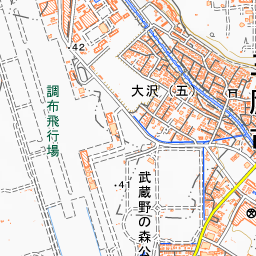
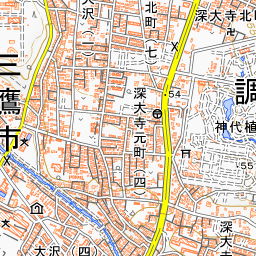
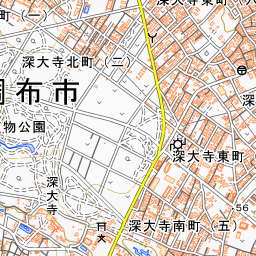
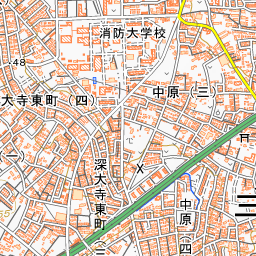
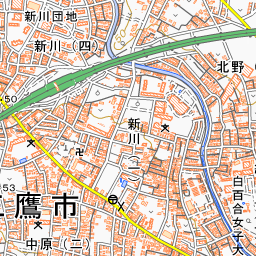

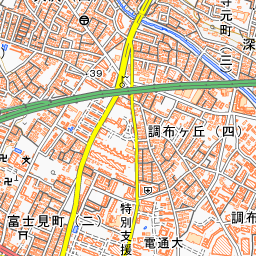
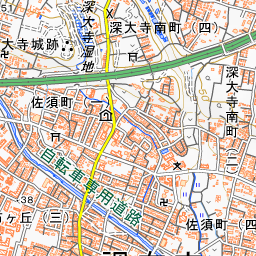
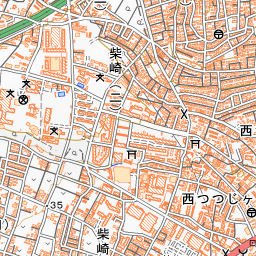
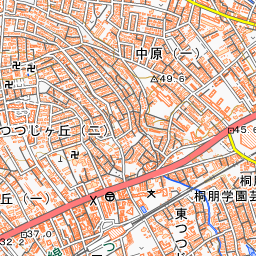

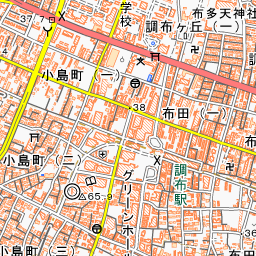
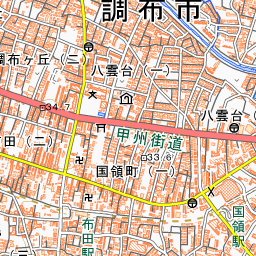
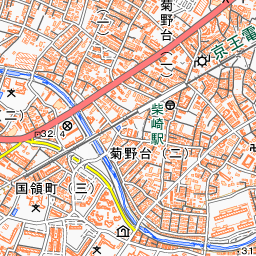
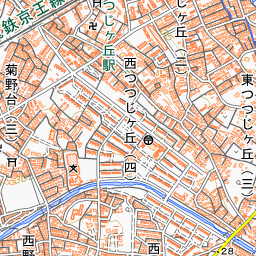
Spot location © OpenStreetMap contributors (ODbL)
Open in Google MapsUse asobot while you walk
- See where you are on the map and find spots nearby
- Listen to the guide's audio in course order, one after another (with subtitles)
- Walk to the next spot while following the map
Open on your phone
Scan to open this spot in asobot on your phone.