 ✨ AI Generated
Jojakko-ji Temple
Japanese: 常寂光寺
Ukyo Ward, Kyoto
This information was written by AI and may contain mistakes. Please check official sources for opening hours, fees, and other details before you go.
Found a mistake? Let us know with “✏️ Something's wrong” on this spot's screen in asobot →
🎧 Audio guide(1:03)
In short
A Nichiren sect temple midway up Mount Ogura, known for its beautiful autumn leaves, founded during the Keicho era by Priest Nisshin, the 16th head abbot of Honkoku-ji Temple. The temple was named for its atmosphere, reminiscent of strolling through the Land of Eternally Tranquil Light, where the Buddha dwells, and its main hall was built by relocating the guest hall of Fushimi Momoyama Castle with the assistance of Kobayakawa Hideaki.
- Thatched-roof Niomon Gate: The oldest building within the grounds, relocated here in 1616 (Genna 2). The Nio guardian statues inside are said to have been carved by Unkei
- Tahoto Pagoda: A pagoda about 12 meters tall, said to have been donated by the townsfolk of Kyoto in 1620 (Genna 6), and designated as a national Important Cultural Property
- Tunnel of Autumn Leaves: In autumn, about 200 maple trees along the mountain path leading from the Sanmon gate through the Niomon Gate to the main hall form a tunnel of fall foliage. In a typical year, the leaves are at their most beautiful from mid- to late November
History and Highlights
Jojakko-ji Temple is a temple of the Nichiren sect located midway up Mount Ogura, an area known for its beautiful autumn foliage. It was founded during the Keicho era by Priest Kukyoin Nisshin, the 16th head abbot of the head temple Honkoku-ji Temple.
When the main head temples in Kyoto split over whether to participate in the Thousand Monk Service at the Great Buddha Hall of Hoko-ji Temple built by Toyotomi Hideyoshi, Priest Nisshin refused to attend, eventually leaving Honkoku-ji Temple to live in seclusion on Mount Ogura. The temple land was donated by Eika, a cousin of Suminokura Ryoi. The temple was named for its tranquil atmosphere, reminiscent of strolling through the Land of Eternally Tranquil Light (Jojakkodo), the realm where the Buddha dwells. The main hall was built by relocating the guest hall of Fushimi Momoyama Castle with the assistance of Kobayakawa Hideaki.
Sagano, where Jojakko-ji Temple is located, has been known since the Heian period as a scenic spot where imperial family members and aristocrats established detached palaces and mountain villas. On the north side of the Niomon Gate within the precincts is a site said to be the ruins of Fujiwara no Teika's Ogura Villa, and a stone monument marking the site of Shigure-tei stands above to the southwest of the Tahoto Pagoda.
Sights and Experience Points
- Thatched-roof Niomon Gate: Built during the Jowa era as the south gate of the guest hall of Honkoku-ji Temple, it was relocated here in 1616. It is the oldest building within the grounds, and its thatched roof is a rare feature. The Nio guardian statues inside are said to have been carved by Unkei.
- Tahoto Pagoda: Standing on the mountainside behind the main hall, this pagoda is approximately 12 meters tall. It is said to have been donated by the townsfolk of Kyoto in 1620 and is designated as a national Important Cultural Property. Because it enshrines the two Buddhas, Shakyamuni and Taho, it is also called "Heison-kaku," and a framed calligraphy plaque bearing this name was granted by Retired Emperor Reigen during the Edo period.
- Tunnel of Autumn Leaves: In autumn, approximately 200 maple trees along the mountain path leading from the Sanmon gate through the Niomon Gate to the main hall form a tunnel of fall foliage. The leaves usually begin to change color around the second week of November and are at their most beautiful from mid- to late November.
Walking Tips
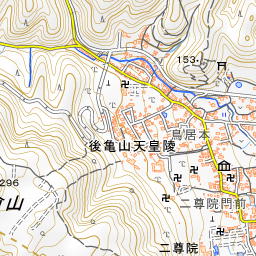
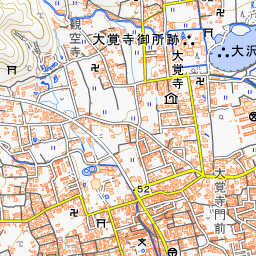
The precincts are situated on a mountain slope and contain many stairs, so wearing comfortable walking shoes is recommended. It is about a 15-minute walk from JR Saga-Arashiyama Station. Walking about 220 meters north leads to Nison-in Temple, about 220 meters northeast is Rakushisha Hermitage, and heading down about 400 meters southeast brings you to the Arashiyama Bamboo Grove. These sites can easily be visited together on foot.
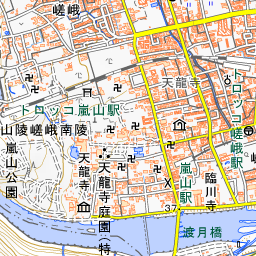
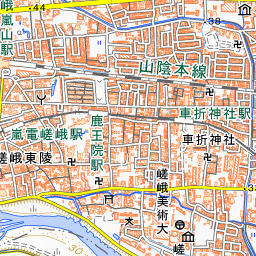
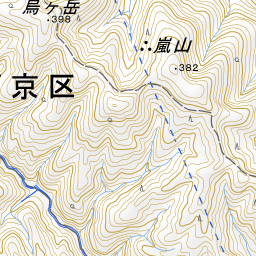
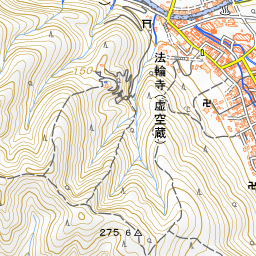
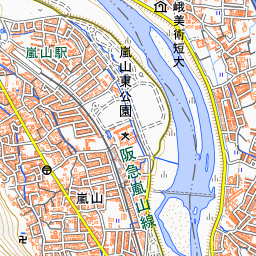
Spot location © OpenStreetMap contributors (ODbL)
Open in Google MapsGuides that include this spot (1)
Use asobot while you walk
- See where you are on the map and find spots nearby
- Listen to the guide's audio in course order, one after another (with subtitles)
- Walk to the next spot while following the map
Open on your phone
Scan to open this spot in asobot on your phone.