 ✨ AI Generated
Hijikata Toshizo Museum
Japanese: 土方歳三資料館
Hino, Tokyo
This information was written by AI and may contain mistakes. Please check official sources for opening hours, fees, and other details before you go.
Found a mistake? Let us know with “✏️ Something's wrong” on this spot's screen in asobot →
🎧 Audio guide(1:04)
In short
The Hijikata Toshizo Museum is located at the birthplace of Hijikata Toshizo, vice commander of the Shinsengumi, and is operated by his descendants. On display are Toshizo's final sword, Izumi-no-kami Kanesada, a kusarikatabira (chainmail armor) said to have been worn during the Ikedaya Incident, and tools for Ishida Sanyaku, a family medicine he peddled in his youth. In the garden stands yadake (arrow bamboo) planted by Toshizo himself.
- Izumi-no-kami Kanesada: A sword designated as a Tangible Cultural Property by Hino City. The blade is displayed only during limited periods, such as around the anniversary of his death.
- Beams at the Entrance: Features the central pillar from his birth home, against which Toshizo is said to have practiced sumo wrestling in his childhood.
- Tools for Ishida Sanyaku: Manufacturing tools for the traditional medicine produced by the Hijikata family. Toshizo was in charge of deliveries during his youth.
History & Highlights
The Hijikata Toshizo Museum is a museum set up in a section of his descendants' residence at the birthplace of Hijikata Toshizo, vice commander of the Shinsengumi. It was opened in 1994 (Heisei 6) in response to requests from across the country to exhibit his relics.
Hijikata Toshizo was born in 1835 in Ishida Village, which is now Ishida, Hino City. While peddling the family-recipe Ishida Sanyaku, he practiced Tennen Rishin-ryu swordsmanship at the dojo of his brother-in-law, Sato Hikogoro. In 1863 (Bunkyu 3), he traveled to Kyoto with Kondo Isami and others, distinguishing himself as vice commander of the Shinsengumi. Later, he fought in battles across the Ou region. On the 11th day of the fifth month of Meiji 2 (1869), he was struck down by a bullet during the Battle of Hakodate.
The birthplace originally stood near Tokan-mori. According to tradition, when the house was in danger of being swept away by a flood in 1846 (Koka 3), villagers rushed to dismantle the main house and storehouse and relocated them to the current site. That old house was rebuilt in 1990 (Heisei 2).
Inside the museum, there are restored models of Toshizo's birth home and letters written in his own hand. Also on display are the "Hogyoku Hokkushu," a poetry collection compiled just before he departed for Kyoto, the chainmail said to have been worn in the Ikedaya Incident, and a hachigane (forehead protector) used in the Coup of August 18. Exhibits are rotated periodically for the preservation of historical materials.
Viewing & Experience Highlights
- Izumi-no-kami Kanesada: Toshizo's final sword, bestowed upon him by Lord Matsudaira, the lord of the Aizu Domain and Military Commissioner of Kyoto. Crafted in Kyoto in 1867 (Keio 3), it is the work of the 11th generation Izumi-no-kami Kanesada. The blade is a Tangible Cultural Property designated by Hino City. It once bore nicks along the monouchi (striking section of the blade), conveying the reality of actual combat. The blade is publicly displayed basically once or twice a year, mainly around the anniversary of his death on May 11.
- Tools for Making Ishida Sanyaku: Ishida Sanyaku is a traditional herbal medicine made by the Hijikata family for about 250 years, from the Hoei era to the Showa period. Believed to be effective for bruises and sprains, it was also kept on hand at the Shinsengumi headquarters in Kyoto. During his youth, Toshizo was in charge of delivering it to clients.
- Entrance Beams and Arrow Bamboo in the Garden: The museum's entrance beam incorporates the former central pillar of the birth home, where Toshizo is said to have practiced sumo wrestling after bathing in his childhood. The yadake (arrow bamboo) in the garden was personally planted by Toshizo with the aspiration of becoming an honorable warrior and making a name for himself in the realm.
Walking Tips
The museum is a 2-minute walk from Manganji Station on the Tama Monorail. Because it is privately run, opening days are limited. It is best to check the opening calendar on the official website before heading out. There is no dedicated parking, and street parking is not permitted as the surrounding area is residential.
Toshizo's grave is located at nearby Sekiden-ji Temple. Takahata Fudoson Temple, his family temple, is about 1.2 kilometers to the southwest, the Shinsengumi Hometown History Museum is about 2.1 kilometers to the west, and Hino-juku Honjin is about 2 kilometers to the west-northwest.
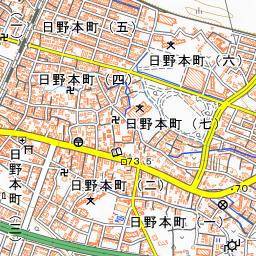
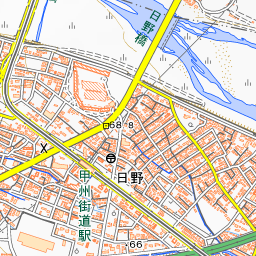
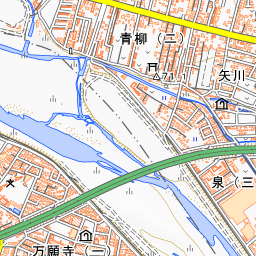
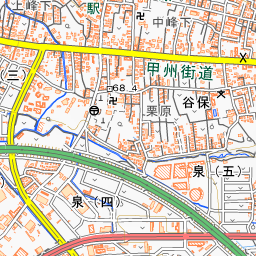
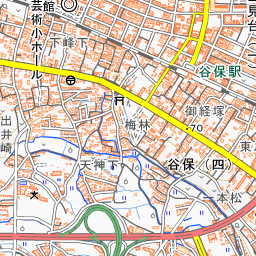
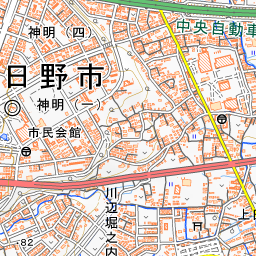
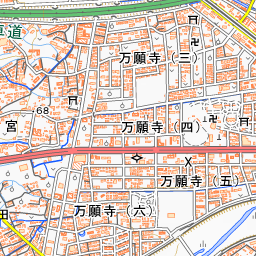
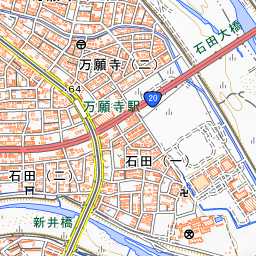
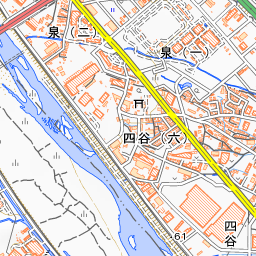

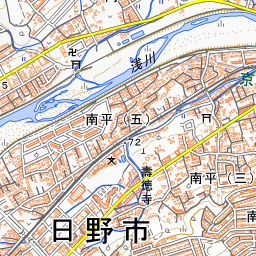
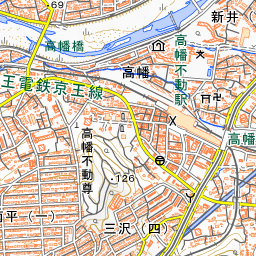
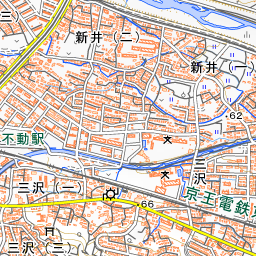
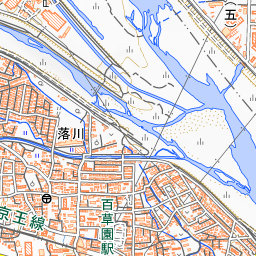
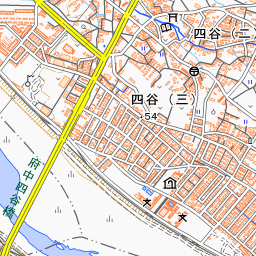
Spot location © OpenStreetMap contributors (ODbL)
Open in Google MapsUse asobot while you walk
- See where you are on the map and find spots nearby
- Listen to the guide's audio in course order, one after another (with subtitles)
- Walk to the next spot while following the map
Open on your phone
Scan to open this spot in asobot on your phone.