 ✨ AI Generated
Mitsubishi Ichigokan Museum, Tokyo
Japanese: 三菱一号館美術館
Chiyoda City, Tokyo
This information was written by AI and may contain mistakes. Please check official sources for opening hours, fees, and other details before you go.
Found a mistake? Let us know with “✏️ Something's wrong” on this spot's screen in asobot →
🎧 Audio guide(0:57)
In short
Mitsubishi Ichigokan Museum, Tokyo is an art museum that opened in 2010 in Marunouchi, Tokyo. The red-brick building is a restoration, recreated as faithfully as possible, of the original Mitsubishi Ichigokan built by Mitsubishi in 1894. It holds special exhibitions centered on modern art from the late 19th to early 20th centuries.
- Red-Brick Building: Designed by Josiah Conder, the entire building incorporates the Queen Anne style popular in late 19th-century Britain.
- Café 1894: A museum café and bar that restores the two-story open space that was once the banking hall.
- Rose Courtyard: The courtyard facing the museum entrance is an English garden where around 40 varieties of roses are planted.
History and Highlights
Mitsubishi Ichigokan, the original building upon which Mitsubishi Ichigokan Museum, Tokyo is based, was completed in 1894. It was designed by British architect Josiah Conder, who was invited by the Japanese government soon after Japan opened to the outside world. It was the first Western-style office building erected by Mitsubishi in Marunouchi, and the Queen Anne style that was popular in late 19th-century Britain was applied throughout the structure. Inside, it housed the banking department of Mitsubishi Goshi Kaisha, and the three-story row-house sections connected by staircases were rented out as offices. Around the time Tokyo Station was built, Japan's first office district, known as "Iccho London," was emerging on the southwest side of the station.
Due to aging, the building was demolished in 1968, but after more than 40 years, it was revived on the same site following Conder's original design. For the restoration, Meiji-era blueprints, survey drawings made at the time of demolition, documents, photographs, and preserved building components were thoroughly examined. Not only the design and components, but even manufacturing methods and construction techniques were faithfully reproduced. Some preserved parts, such as stone elements from the staircase handrails, were reused inside the building.
It opened as an art museum in April 2010. The collection mainly consists of late 19th-century Western art from the same era as the building, housing works by artists such as Toulouse-Lautrec, Redon, and Vallotton.
Viewing and Experience Highlights
- Building Materials: The roof is made of natural slate, the window frames and corner quoins are made of andesite, and the foundation base is made of granite.
- Café 1894: A café and bar that restores the space that was once the banking hall. Six pillars support the two-story open space, and their capitals took three sculptors half a year to create. The tops of the light fixtures are cut horizontally, a shape designed to release heat from the flames back when they were gas lamps.
- Courtyard: The courtyard facing the museum entrance is an English garden planted with approximately 40 varieties of roses, including Old Roses introduced around 1894. The neighboring Ichigokan Plaza features plants, trees, and fountains, offering benches where visitors can take a break.
Tips for Exploring
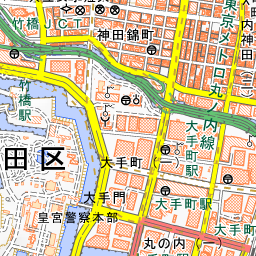
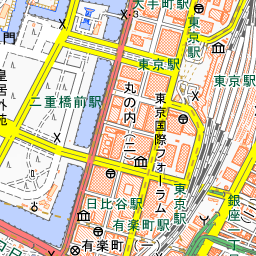
It is about 350 meters, or roughly a 5-minute walk, from the Marunouchi South Exit of JR Tokyo Station. Exit the Marunouchi South Exit and head toward KITTE. Proceed along the sidewalk beside KITTE, and you will see the back of the red-brick building. On rainy days, the underground passageway from the Marunouchi Underground South Exit ticket gates can also be used. The Archive Room inside the museum is a place where you can experience the history of Marunouchi. About 160 meters to the west-northwest, the Seikado Bunko Art Museum is located inside the Meiji Seimei Kan.


Guides that include this spot (1)
Use asobot while you walk
- See where you are on the map and find spots nearby
- Listen to the guide's audio in course order, one after another (with subtitles)
- Walk to the next spot while following the map
Open on your phone
Scan to open this spot in asobot on your phone.