 ✨ AI Generated
Kyogamisaki Lighthouse
Japanese: 経ヶ岬灯台
Kyotango, Kyoto
This information was written by AI and may contain mistakes. Please check official sources for opening hours, fees, and other details before you go.
Found a mistake? Let us know with “✏️ Something's wrong” on this spot's screen in asobot →
🎧 Audio guide(1:11)
In short
Kyogamisaki Lighthouse is a white, Western-style lighthouse standing on Cape Kyoga in Sodeshi, Tango-cho, Kyotango City. Cape Kyoga lies at the tip of the Tango Peninsula and is located at the northernmost point of the Kinki region. The lighthouse was built in 1898 on this cape, which had long been considered a hazardous spot for ships, and using a first-order lens, one of only five in Japan, it has remained in active service since the Meiji period.
- Lens floating on mercury: It is a pioneering lighthouse that adopted a mechanism allowing the heavy lens to float on mercury, making it easier to rotate. In December 2022, it was designated an Important Cultural Property of Japan, along with the stone-built former first storehouse
- Columnar jointing and the cape's name: It is said that the name Cape Kyoga came from how the andesite cliffs around the cape, with their column-like fractures (columnar joints), resemble Buddhist sutra scrolls placed side by side
- Cliffs overlooking the Sea of Japan: The lighthouse stands atop a cliff overlooking the sea. The contrast of the white lighthouse and the blue Sea of Japan stands out particularly on sunny days
History and Highlights
Kyogamisaki Lighthouse is a white, Western-style lighthouse standing on Cape Kyoga in Sodeshi, Tango-cho, Kyotango City. Cape Kyoga lies at the tip of the Tango Peninsula and is located at the northernmost point of the Kinki region. In 1898 (Meiji 31), the lighthouse was built on this cape, which had long been considered a hazardous spot for maritime navigation. The Aids to Navigation Management Office of the Ministry of Communications oversaw the design and construction supervision.
Following the First Sino-Japanese War, maritime transport received greater emphasis, and lighthouse construction progressed from the latter half of the Meiji period. As a first-order lighthouse built along the coast of the Sea of Japan, Kyogamisaki Lighthouse has supported the navigational safety of shipping routes along the Sea of Japan side of the Kinki region. Using a first-order lens—one of only five in Japan—it has remained in active service since the Meiji period. In December 2022 (Reiwa 4), it was designated an Important Cultural Property of Japan, along with the stone-built former first storehouse, which was also constructed in 1898.
Sights and Experiences
- Lens Floating on Mercury: The lighthouse stands 13.7 meters tall. Kyogamisaki Lighthouse is a pioneering lighthouse that adopted a mechanism allowing the heavy lens to float on mercury, making it easier to rotate. This mechanism made it possible to increase the light intensity and produce various flashing patterns.
- Columnar Jointing and the Cape's Name: Around the cape, cliffs of andesite rock with columnar fractures stretch out. It is said that the name Cape Kyoga came from how these columnar joints resemble Buddhist sutra scrolls placed side by side. On the coast below the lighthouse, traces of the quarry where stone for the lighthouse was cut still remain.
- Cliffs Overlooking the Sea of Japan: The lighthouse stands atop a cliff overlooking the sea, with Wakasa Bay spreading out to the east. The contrast of the white lighthouse and the blue Sea of Japan stands out particularly on sunny days. From the Cape Kyoga Park (Kyogamisaki Enchi), visitors can view the magnificent scenery of the Sea of Japan along with the silhouette of the lighthouse standing in the distance.
Visiting Tips
To reach the lighthouse, visitors walk up a mountain trail from the Cape Kyoga parking lot. The path is unpaved and consists of a natural walking trail with continuing wooden stairs, so it is recommended to wear comfortable walking shoes. The interior of the lighthouse is not usually open to the public, but the Maizuru Coast Guard Office holds a public opening around Lighthouse Day on November 1. Visitors can also enjoy the coastal scenery of the Tango Peninsula, such as the Tango Matsushima Observation Point and Tateiwa Rock, both located within Kyotango City.






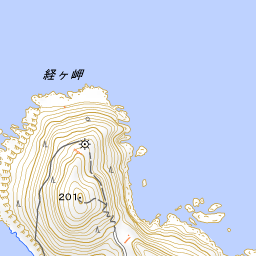

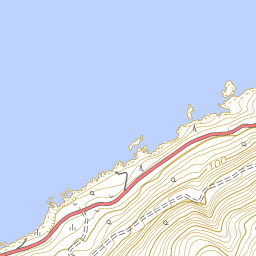
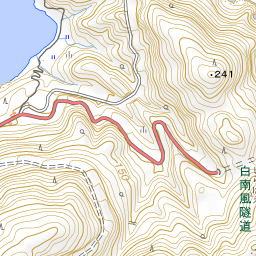
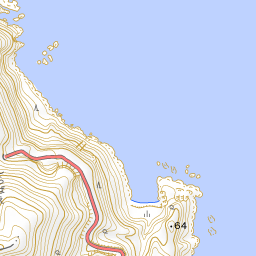
Spot location © OpenStreetMap contributors (ODbL)
Open in Google MapsGuides that include this spot (1)
Use asobot while you walk
- See where you are on the map and find spots nearby
- Listen to the guide's audio in course order, one after another (with subtitles)
- Walk to the next spot while following the map
Open on your phone
Scan to open this spot in asobot on your phone.