 ✨ AI Generated
Rekishi-ni-Ikou Kashihara City Museum
Japanese: 歴史に憩う橿原市博物館
Kashihara, Nara
This information was written by AI and may contain mistakes. Please check official sources for opening hours, fees, and other details before you go.
Found a mistake? Let us know with “✏️ Something's wrong” on this spot's screen in asobot →
🎧 Audio guide(1:04)
In short
Rekishi-ni-Ikou Kashihara City Museum is a museum located right next to the Niizawa Senzuka Kofun Group in Kashihara City. Serving as a site museum for the burial mound group, it displays excavated materials from archaeological sites spanning well over two thousand years, from the end of the Jomon period to the Edo period. It was renovated from the Kashihara City Senzuka Museum, which opened in 1978, and reopened in 2014. Its popular nickname is "Ikohaku."
- Artifacts of Kofun No. 126: Introduces items unearthed from Kofun No. 126 of the mound group, centered on restored replicas.
- The World of Fujiwara-kyo: Features exhibits introducing Fujiwara-kyo, Japan's first full-scale capital city.
- Hands-on Exhibits: Offers a corner where visitors can actually touch a large Sue pottery jar and cylindrical haniwa (clay funerary cylinders).
History and Highlights
Rekishi-ni-Ikou Kashihara City Museum is a museum that reopened under its current name on April 1, 2014, following the renovation of the Kashihara City Senzuka Museum, which originally opened in 1978. The original museum was built after the Niizawa Senzuka Kofun Group was designated as a National Historic Site in 1976. The current name was proposed by Sugaya Fuminori, Director of the Archaeological Institute of Kashihara, Nara Prefecture. It embodies the wish that it serve as a community salon where citizens can experience history firsthand. Its popular nickname is "Ikohaku."
The exhibition rooms are located on the second floor, and the permanent exhibition is divided into three rooms. The first room, "The Dawn of Kashihara," introduces the period from the end of the Jomon period to the Yayoi period, when rice cultivation began. The second room, which is the largest, showcases the Kofun period and Fujiwara-kyo, Japan's first full-scale capital city. The third room, "Farewell to the Capital: A New Step Forward," traces the era from the Nara period, after the capital was moved to Heijo-kyo, through the Edo period.
Highlights for Viewing and Experiencing
- Artifacts of Kofun No. 126: The centerpiece of the second room is the restored replicas of artifacts from Niizawa Senzuka Kofun No. 126. The original artifacts are designated as Important Cultural Properties of Japan and are kept by the Tokyo National Museum. Outside the coffin of Kofun No. 126, a lacquered plate depicting the Four Auspicious Beasts was placed. It is the oldest known example in Japan depicting the Four Beasts. A hinoshi, an ancient flatiron, was also discovered.
- Adornments: The person buried here appears to have worn a total of eight gold and silver rings, three bracelets, and extremely delicate earrings. These were crafted on the Chinese mainland and the Korean Peninsula. Inside the coffin, glass vessels and plates thought to have been made in Western Asia were also found. Because items from various lands were gathered together, it is believed that an individual with an international outlook rests here.
- Hands-on Exhibits and Activities: There is a corner where visitors can actually touch a cylindrical haniwa and a large Sue pottery jar measuring about 1 meter in diameter. In the ancient costume dress-up area, visitors can also try on a replica of the forehead ornament from Kofun No. 126.
Tips for Exploring
From the West Exit of Kintetsu Kashiharajingu-mae Station, take a bus bound for Kintetsu-Gose Station, get off at "Kawanishi," and walk for about 2 minutes. Walking directly from the west exit of the station takes about 30 minutes. The permanent exhibition also includes a stratum peel specimen from the Shobuike Kofun Burial Mound. Exiting the museum and proceeding about 290 meters to the southeast leads to the park of the Niizawa Senzuka Kofun Group. It is recommended to first view the items from Kofun No. 126 inside the museum before taking a stroll along the walking paths of the burial mound group. The layout and walking routes of the mounds are summarized in the Niizawa Senzuka Kofun Group guide.
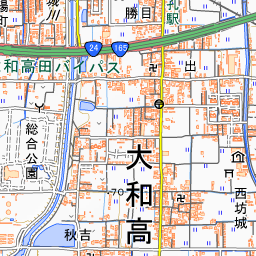
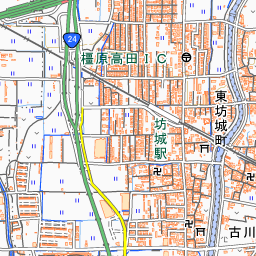
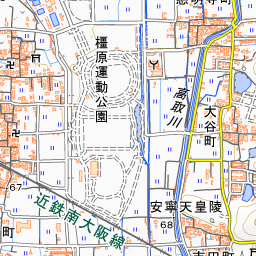
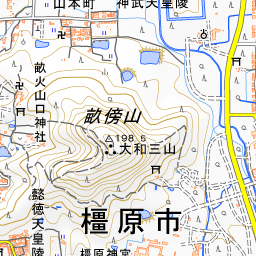
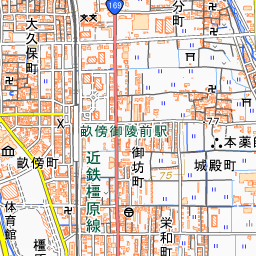
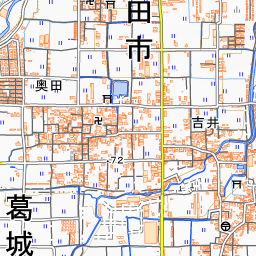

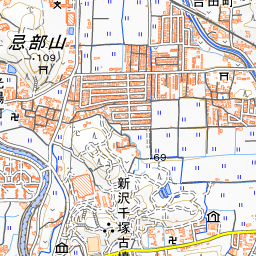
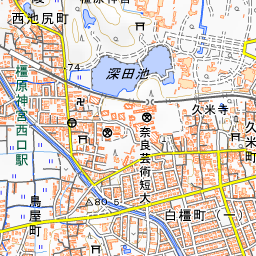
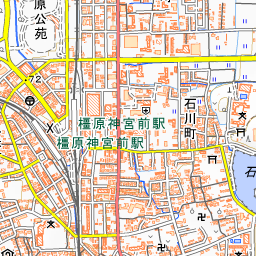
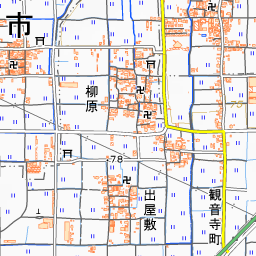
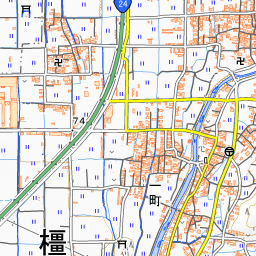
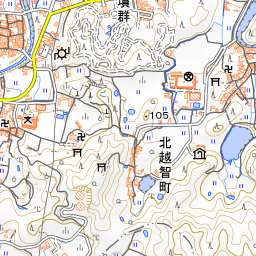
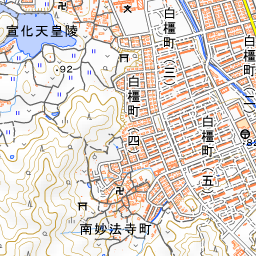
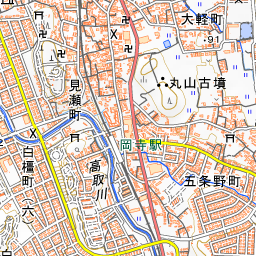
Spot location © OpenStreetMap contributors (ODbL)
Open in Google MapsUse asobot while you walk
- See where you are on the map and find spots nearby
- Listen to the guide's audio in course order, one after another (with subtitles)
- Walk to the next spot while following the map
Open on your phone
Scan to open this spot in asobot on your phone.