 ✨ AI Generated
Daisen Kofun Burial Mound
Japanese: 大仙古墳
Sakai Ward, Sakai, Osaka
This information was written by AI and may contain mistakes. Please check official sources for opening hours, fees, and other details before you go.
Found a mistake? Let us know with “✏️ Something's wrong” on this spot's screen in asobot →
🎧 Audio guide(1:08)
In short
The largest keyhole-shaped burial mound in Japan, also known as the Nintoku-tenno-ryo Kofun. Together with Hanzei-tenno-ryo Kofun Burial Mound to the north and Richu-tenno-ryo Kofun Burial Mound to the south, it is called the Mozu-no-Mimihara Three Mausoleums, and today it is managed by the Imperial Household Agency as the middle mausoleum, the tomb of Emperor Nintoku. It is believed to have been constructed in the mid-5th century, and in 2019, it was inscribed on the World Heritage List as part of the Mozu-Furuichi Kofun Group.
- Triple Moats: The mound has an overall length of about 486 meters and is constructed in three tiers. It is surrounded by triple moats, and the total length including the moats reaches as much as 840 meters. This is the only giant keyhole-shaped mound surrounded by triple moats
- Viewing the Mound from the Worship Area: Visitors cannot enter the burial mound itself. There is a torii gate and a worship area (haisho) at the southern moat, from which you can view the lower parts of the mound
- Walking Path along the Moats: A 2.8-kilometer circular pathway is established, and just walking around it once takes about 50 minutes. More than 10 kofun thought to be auxiliary burial mounds (baicho) are located around it
History and Highlights
Daisen Kofun Burial Mound (also known as the Nintoku-tenno-ryo Kofun) is the largest keyhole-shaped burial mound (zenpo-koen-fun) in Japan. Together with Hanzei-tenno-ryo Kofun Burial Mound to the north and Richu-tenno-ryo Kofun Burial Mound to the south, it is called the Mozu-no-Mimihara Three Mausoleums. Today, it is managed by the Imperial Household Agency as the middle mausoleum, the tomb of Emperor Nintoku. It is believed to have been constructed in the mid-5th century.
The mound, with its rectangular front facing south, has an overall length of about 486 meters, a circular rear diameter of about 249 meters, and a height of about 35.8 meters, constructed in three tiers. It is surrounded by triple moats, and the total length including the moats reaches as much as 840 meters. This is the only giant keyhole-shaped mound surrounded by triple moats. It is said that its location and orientation were chosen with significant consideration for its view from Osaka Bay.
In 1872, a chest-shaped stone coffin (nagamochi-gata sekkan) housed in a pit-style stone burial chamber was discovered in the front section, yielding grave goods such as gilded copper armor and glass vessels presumed to have been brought from West Asia. The grave goods were returned to the stone chamber and remain preserved underground. In 2019, it was inscribed on the World Heritage List as part of the Mozu-Furuichi Kofun Group.
Viewing and Experience Highlights
- Viewing the mound from the worship area: Visitors cannot enter the burial mound itself. There is a torii gate and a worship area (haisho) at the southern moat, from which you can view the lower parts of the mound.
- Walking path along the moats: A 2.8-kilometer circular pathway is established around the perimeter; just walking around it once takes about 50 minutes due to its sheer size. More than 10 kofun thought to be auxiliary burial mounds (baicho) are located nearby, allowing visitors to view numerous mounds while walking along the path.
- Scale in numbers: According to one estimate, construction took 15 years and 8 months with up to 2,000 workers per day, totaling an estimated 6.8 million person-days. It is thought that more than 29,000 cylindrical haniwa (terracotta figures) were erected here.
Walking Tips
It is a 10-minute walk from JR Hanwa Line Mozu Station. Sakai City Museum, located inside Daisen Park about 560 meters to the south, displays materials related to this burial mound. Taking a break at Daisen Park or Daisen Park Japanese Garden, or viewing the burial mounds within the cityscape from Sakai City Hall High-Rise Building Observation Lobby about 1.2 kilometers to the north, is also recommended.


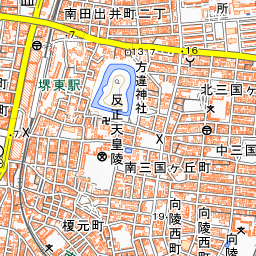
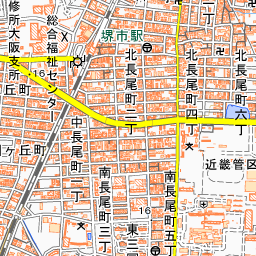
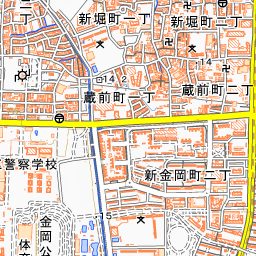
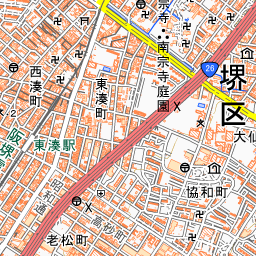
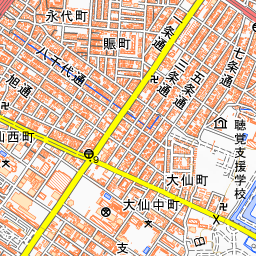
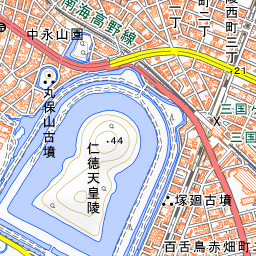
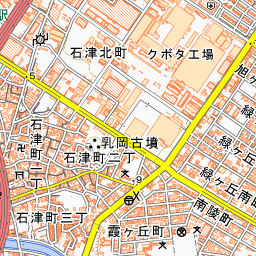
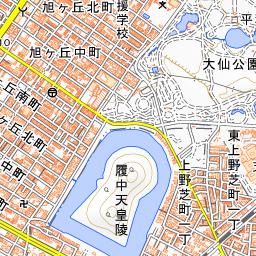
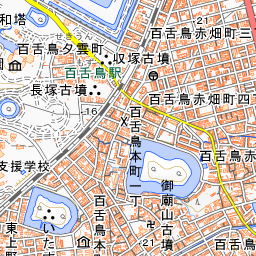
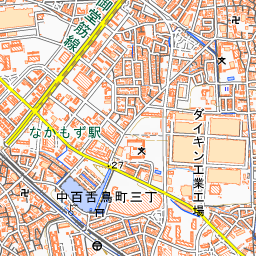
Spot location © OpenStreetMap contributors (ODbL)
Open in Google MapsGuides that include this spot (2)
Use asobot while you walk
- See where you are on the map and find spots nearby
- Listen to the guide's audio in course order, one after another (with subtitles)
- Walk to the next spot while following the map
Open on your phone
Scan to open this spot in asobot on your phone.