 ✨ AI Generated
Currency Museum, Institute for Monetary and Economic Studies, Bank of Japan
Japanese: 日本銀行金融研究所貨幣博物館
Chuo City, Tokyo
This information was written by AI and may contain mistakes. Please check official sources for opening hours, fees, and other details before you go.
Found a mistake? Let us know with “✏️ Something's wrong” on this spot's screen in asobot →
🎧 Audio guide(1:08)
In short
The Currency Museum, Institute for Monetary and Economic Studies, Bank of Japan is located in the Bank of Japan Annex in Nihonbashi Hongokucho and conveys the history of Japanese money. Opened in 1985 to commemorate the 100th anniversary of the founding of the Bank of Japan, it houses approximately 3 million items. The exhibits arrange money from ancient to modern times chronologically, allowing visitors to see through authentic materials what was chosen as money and how it was used.
- Senpeikan Collection: The core of the museum's collection consists of materials collected by the coin collector and researcher Tanaka Keibun, which were donated to the Bank of Japan to protect them from the devastation of war.
- The Story of the First Money: For a long time, Wado Kaichin was considered Japan's first currency, but it has become known that Fuhonsen was minted before it.
- Feel the Weight of an Oban: After viewing actual oban gold coins minted at the behest of Toyotomi Hideyoshi and Tokugawa Ieyasu, visitors can experience their actual weight.
History and Highlights
The Currency Museum, Institute for Monetary and Economic Studies, Bank of Japan collects, preserves, researches, and publicly displays money and historical and cultural materials related to it. It is located inside the Bank of Japan Annex in Nihonbashi Hongokucho.
The core of the holdings is the Senpeikan Collection, assembled by the antique coin collector and researcher Tanaka Keibun. Tanaka collected not only Japanese currency but also East Asian currency, mainly from China, and exhibited them in the "Senpeikan," which he established at his private residence in 1923.
Toward the end of the Pacific War, with the growing danger of air raids, the collection was donated to the Bank of Japan in 1944. After the war, in 1947, the gold and silver coins were nearly confiscated by the GHQ (General Headquarters of the Allied Powers). At this time, specialist Gunji Isao passionately insisted that "cultural properties should be protected and utilized with our own hands," and confiscation was avoided on the condition that they be opened to the public as cultural properties.
The museum opened in November 1985 to commemorate the centenary of the founding of the Bank of Japan. It underwent a full renovation in November 2015 and currently holds around 3 million items, with about 3,000 items on display.
Highlights of the Collection & Experiences
- The Story Around the First Money: The earliest currency made in Japan was long believed to be Wado Kaichin, issued in 708. However, in 1998, excavations at the Asukaike Ruins revealed that Fuhonsen had been produced prior to it. Furthermore, even before that, Mumon Ginsen had been in use.
- Feel the Weight of an Oban: After viewing actual oban coins commissioned by Toyotomi Hideyoshi and Tokugawa Ieyasu, you can experience their physical weight. The oban was one of the largest gold coins in the world during the Edo period.
- History of Banknotes and Anti-Counterfeiting: Exhibits include the "Yamada Hagaki" of Ise Yamada, considered Japan's oldest paper currency, as well as the "Daikoku note," the first Bank of Japan banknote. After seeing the first Bank of Japan note, visitors can test and learn about modern anti-counterfeiting technologies used in current Bank of Japan notes.
Visiting Tips
It is a 1-minute walk from Exit B1 of Mitsukoshimae Station on the Hanzomon Line. A visit usually takes around 30 minutes to 1 hour as a rough guide. Photography is not permitted inside the exhibition rooms, so please make use of the commemorative photo spot located in the 2nd-floor lobby.
The grounds of the Bank of Japan's Head Office are where the "Kinza" gold mint was situated during the Edo period. On the site stands the Bank of Japan Main Building, designed by Tatsuno Kingo and completed in 1896. The main building is designated as an Important Cultural Property of Japan. Nihombashi Mitsukoshi Main Store is about 170 meters to the east, the Mitsui Memorial Museum is about 200 meters to the northeast, and Nihonbashi is about 300 meters to the southeast.

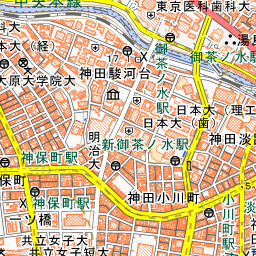
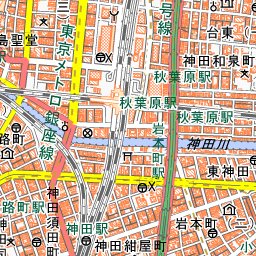


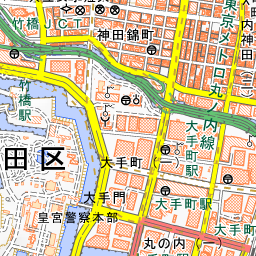
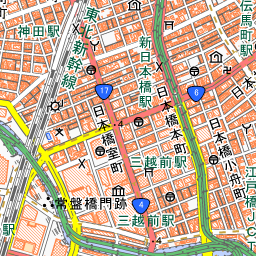
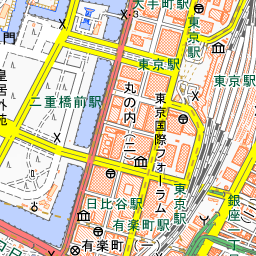
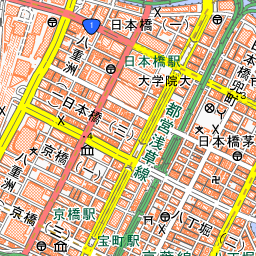
Spot location © OpenStreetMap contributors (ODbL)
Open in Google MapsUse asobot while you walk
- See where you are on the map and find spots nearby
- Listen to the guide's audio in course order, one after another (with subtitles)
- Walk to the next spot while following the map
Open on your phone
Scan to open this spot in asobot on your phone.