 ✨ AI Generated
The National Art Center, Tokyo
Japanese: 国立新美術館
Minato City, Tokyo
This information was written by AI and may contain mistakes. Please check official sources for opening hours, fees, and other details before you go.
Found a mistake? Let us know with “✏️ Something's wrong” on this spot's screen in asobot →
🎧 Audio guide(0:59)
In short
The National Art Center, Tokyo opened in 2007 as the fifth facility under the Independent Administrative Institution National Museum of Art. Instead of maintaining a permanent collection, it makes use of one of Japan's largest exhibition spaces to hold a diverse range of exhibitions. It is characterized by the wave-like undulations of its glass curtain wall facade.
- Undulating Glass Exterior Wall: On the south side of the building, the glass curtain wall forms beautiful curves.
- Two Inverted Cones: A restaurant and a cafe sit atop massive inverted cones that stand in the open atrium lobby.
- 12 Exhibition Rooms: Exhibitions are held across a total of 14,000 square meters of exhibition space.
History and Highlights
Preparations to establish this art center got underway following requests from art-related figures in 1978 for a new museum to be built in the capital, Tokyo, to accommodate open-call exhibitions. In 2003, the official name "The National Art Center, Tokyo" was decided through a nationwide public call. It opened on January 21, 2007, as the fifth facility belonging to the Independent Administrative Institution National Museum of Art.
Among the national art institutions, this is the only one that does not hold a permanent collection. For this reason, its English name uses "Art Center" rather than "Museum." Inside, along with 12 exhibition rooms comprising a total of 14,000 square meters—one of the largest exhibition spaces in Japan—there are an art library and an auditorium. While providing a venue for art organizations that conduct nationwide activities to present their work, it also showcases new expressions centered on contemporary art, design, fashion, architecture, manga, and anime.
The facility was designed by the Kurokawa Kisho + Nihon Sekkei Joint Venture under the concept of an "art museum in the forest." Among the numerous museums designed by Kurokawa Kisho, it is the last museum completed during his lifetime.
Viewing and Experience Highlights
- Undulating Glass Curtain Wall: On the south side of the building, the glass curtain wall undulates like waves to draw graceful curves, creating a distinctive exterior alongside the conical main entrance. From the first-floor open atrium lobby, you can look through the glass to enjoy views of the trees and plants landscaped to blend into the local greenery of Aoyama Park and surrounding areas.
- Restaurant and Cafe atop Inverted Cones: Two giant inverted cones stand in the lobby, which has a ceiling height of 21.6 meters. The top of each cone hosts Brasserie Paul Bocuse Le Musée on the 3rd floor and Salon de Thé Rond on the 2nd floor.
- Souvenir From Tokyo: This museum shop is located on the B1 and 1st floors. It introduces items without being bound by name recognition or genre, ranging from manga and art books to crafts and works by young designers.
Tips for Exploring
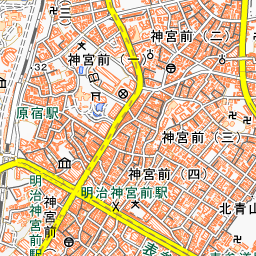
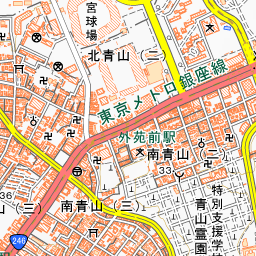
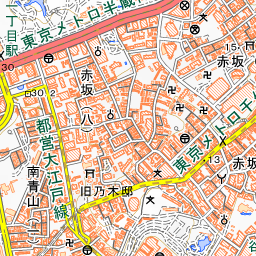
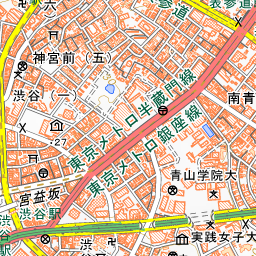
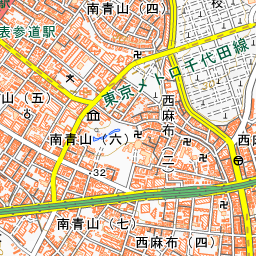
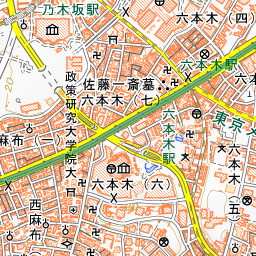
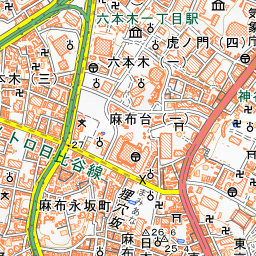
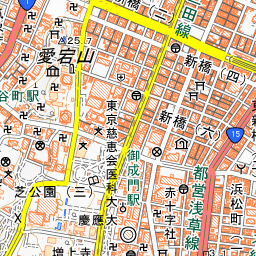
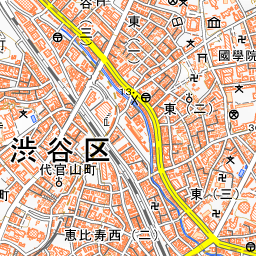
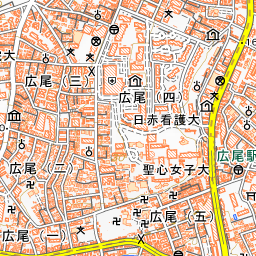
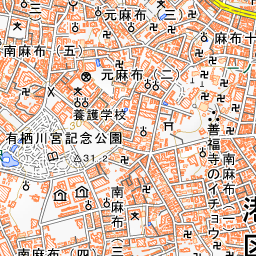
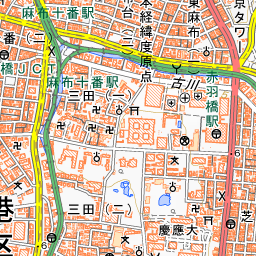
Exit 6 (toward Aoyama Cemetery ticket gate) of Nogizaka Station on the Tokyo Metro Chiyoda Line is directly connected to the art center. It is about a 5-minute walk from Exit 4a of Roppongi Station on the Tokyo Metro Hibiya Line, and about 4 minutes from Exit 7 of Roppongi Station on the Toei Oedo Line. First, look up at the undulating glass and the inverted cones in the 1st-floor lobby. The annex is a part of the former barracks of the Third Infantry Regiment associated with the February 26 Incident (Ni-Ni-Roku Incident), built in 1928 (Showa 3). The National Art Center, Tokyo, the Suntory Museum of Art, and the Mori Art Museum form the "Roppongi Art Triangle." Tokyo Midtown is about 430 meters to the east, and Nogi-jinja Shrine is about 390 meters to the north.


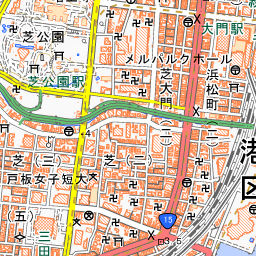
Spot location © OpenStreetMap contributors (ODbL)
Open in Google MapsGuides that include this spot (1)
Use asobot while you walk
- See where you are on the map and find spots nearby
- Listen to the guide's audio in course order, one after another (with subtitles)
- Walk to the next spot while following the map
Open on your phone
Scan to open this spot in asobot on your phone.