 ✨ AI Generated
Nara Prefecture Complex of Man'yo Culture
Japanese: 奈良県立万葉文化館
Asuka Village, Nara
This information was written by AI and may contain mistakes. Please check official sources for opening hours, fees, and other details before you go.
Found a mistake? Let us know with “✏️ Something's wrong” on this spot's screen in asobot →
🎧 Audio guide(1:05)
In short
The Nara Prefecture Complex of Man'yo Culture opened in Asuka Village in 2001 (Heisei 13) as a comprehensive cultural base dedicated to ancient culture centered on the Man'yoshu (Collection of Ten Thousand Leaves). It features underground exhibits that introduce the world of poetry through dolls and video presentations, alongside a collection of Nihonga (Japanese-style paintings) inspired by poems from the Man'yoshu. The complex stands on the site of the Asukaike Workshop Site, where Fuhonsen coins were once produced.
- Man'yo Theater: Located on the first basement floor, this theater space uses dolls, videos, and animations to introduce the personalities, emotions, and historical backgrounds of poets based on their Man'yo poetry.
- Man'yo Nihonga Paintings: The complex houses Nihonga paintings themed on Man'yoshu poems, created by leading modern Japanese painters such as Hirayama Ikuo, Kayama Matazo, and Kataoka Tamako.
- Courtyard Reconstruction Exhibit: Beneath the bridge, part of the workshop remains from the Asukaike Workshop Site has been reconstructed to full scale in the condition it was found during archaeological excavations.
History & Highlights
The Nara Prefecture Complex of Man'yo Culture opened in Asuka Village on September 15, 2001, as a comprehensive cultural base dedicated to ancient culture centered on the Man'yoshu.
The Man'yoshu is Japan's oldest anthology of poetry, containing more than 4,500 poems composed between the 5th and 8th centuries. Among them, poems set in Nara are the most numerous. Asuka is said to retain the largest number of sites associated with the Man'yoshu in all of Japan.
The complex stands on the grounds of the Asukaike Workshop Site, which produced metal, glass, and gemstone items during the Asuka period. In the past, school textbooks taught that Wado Kaichin was Japan's oldest cast currency. However, excavations conducted in the early Heisei period unearthed Fuhonsen coins, along with unfinished pieces, defective castings, and molds. This proved that Fuhonsen coins were minted here in the latter half of the Asuka period, leading to revisions in school textbooks. The artifacts excavated from this site have been designated as a National Treasure under the title "Excavated Artifacts from Nara Prefecture Asukaike Site."
The complex aims to be a comprehensive cultural facility that coexists with the ruins, bringing such cultural properties to life through reconstructions and exhibits.
Viewing & Experience Highlights
- Underground Poetry World: In the Man'yo Theater, dolls and videos introduce the individuality, emotions, and human relationships of Man'yo poets based on their verses. The Uta-no-Hiroba (Poetry Plaza) is a space recreating an ancient market inspired by Tsuba-ichi and other historic markets. It also illustrates scenes of utagaki, gatherings where men and women courted each other through poetry.
- Man'yo Nihonga Paintings: The collection features works created around Man'yoshu poems by prominent modern painters, including Hirayama Ikuo, Kayama Matazo, and Kataoka Tamako. The Japanese-style painting exhibition room on the first floor hosts various exhibitions focused on Nihonga.
- Workshop Site and Fuhonsen Coins: Beneath the bridge in the courtyard, a portion of the workshop ruins is reconstructed to life size, just as it appeared during excavation. The special exhibition room on the basement level introduces the excavation results, unearthed artifacts, and Fuhonsen coins of the Asukaike Workshop Site.
Tips for Exploring
Before walking around Asuka, stopping by the "Ancient Capitals of Asuka and Fujiwara" guidance corner on the first floor offers insights into the palaces, temples, and tomb complexes through videos, scale models, and interpretive panels. From the observation lobby, you can look out across the peaceful rural scenery of Asuka, with Mt. Miminashi and Mt. Amanokagu of the Yamato Sanzan Mountains visible in the distance.
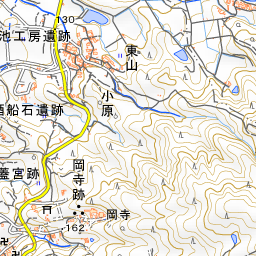
After leaving the facility, you can easily walk to nearby points of interest. Asukaniimasu-jinja Shrine is about 270 meters to the north, Asuka-dera Temple is about 250 meters to the northwest, and the Sakafune-ishi Ruins are about 210 meters to the southeast. The Asuka Historical Museum is about 820 meters to the north.
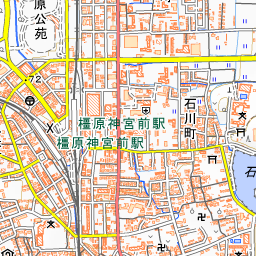
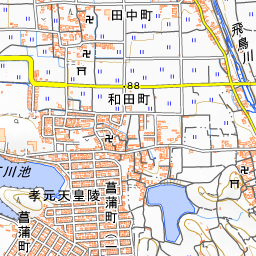
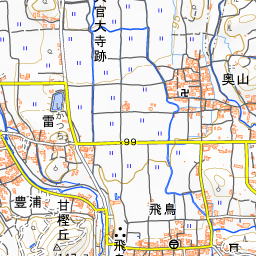
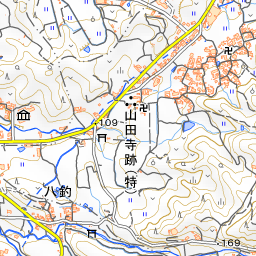

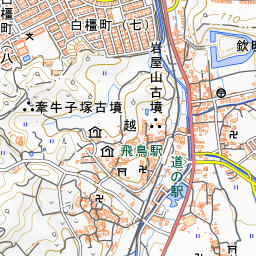
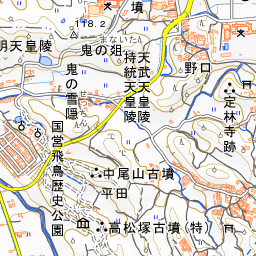
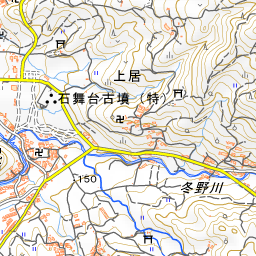
Spot location © OpenStreetMap contributors (ODbL)
Open in Google MapsGuides that include this spot (1)
Use asobot while you walk
- See where you are on the map and find spots nearby
- Listen to the guide's audio in course order, one after another (with subtitles)
- Walk to the next spot while following the map
Open on your phone
Scan to open this spot in asobot on your phone.