 ✨ AI Generated
Otaguro Park
Japanese: 大田黒公園
Suginami City, Tokyo
This information was written by AI and may contain mistakes. Please check official sources for opening hours, fees, and other details before you go.
Found a mistake? Let us know with “✏️ Something's wrong” on this spot's screen in asobot →
🎧 Audio guide(0:58)
In short
Otaguro Park is a municipal Japanese stroll garden in Suginami Ward, built on the former residence grounds of music critic Otaguro Motoo. It is known for its garden path flanked by ginkgo trees, a garden centered around a pond, and a Western-style memorial hall that served as Otaguro's workplace. Otaguro was the first to introduce Debussy and Stravinsky to Japan.
- Ginkgo-Lined Garden Path: From the main gate, a white granite path flanked by large ginkgo trees extends for about 70 meters.
- Memorial Hall: A Western-style workspace built in 1933 (Showa 8), where his favorite piano and phonograph are preserved.
- Stream and Pond: A slender stream starting from behind the tea room passes through the grove of trees and flows into the pond.
History and Highlights
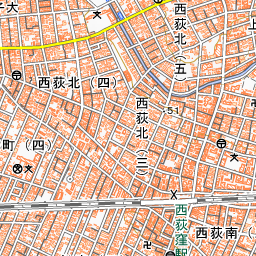
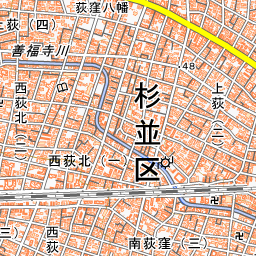
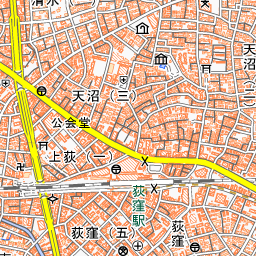
Otaguro Park is located in a quiet residential area about a 10-minute walk from Ogikubo Station. The park was established on the site of the former residence of music critic Otaguro Motoo.
Otaguro was born in Tokyo in 1893 and is known as a pioneer of music criticism in Japan. He was also the person who first introduced Debussy and Stravinsky to Japan. In 1933, he moved to what is now Ogikubo 3-chome and lived here until his death in 1979 at the age of 86. Following Otaguro's wish that the property become a park, his bereaved family donated the land to Suginami Ward. The ward developed it while preserving as much of the original form as possible, opening it on October 1, 1981 (Showa 56).
The garden was created utilizing the gently undulating plateau terrain of Ogikubo. It is the first Japanese stroll garden among Suginami's municipal parks. Large trees that stood during the days of the residence have been preserved.
Toward the west side of the lawn open space stands a brick-colored memorial hall. Built in 1933 as Otaguro's workspace, it is a Western-style building that was rare for its time. In 2016, the memorial hall and storehouse were registered as national Tangible Cultural Properties. Inside, the piano and phonograph that Otaguro cherished are on display.
Points for Appreciation and Experience
- Main Gate and Ginkgo Avenue: The main gate has a gabled roof made entirely of Japanese cypress (hinoki), with tsuijibei (roofed mud walls) extending to the left and right. Entering through the gate, a straight path paved with white granite continues for about 70 meters, flanked on both sides by large ginkgo trees.
- The Piano in the Memorial Hall: The displayed piano is a 1900 Hamburg Steinway. Otaguro purchased it in 1917, and the following year, the Russian composer Sergei Prokofiev visited Otaguro's home while stopping by Japan and played this piano. At that time, Otaguro's house was not yet in Ogikubo, but in Omori-Sanno.
- Tea Room, Stream, and Pond: The administration building contains a Kyoma 8-tatami-mat tea room and a rest area. The stream emerging from a well crib behind the tea room winds around the tea room, widens, and flows into the pond. Carp swim in the pond.
Strolling Tips
Follow the ginkgo-lined path from the main gate and climb a low flight of stairs to reach the administration building. From the veranda of the tea room, you can look out over the garden where the lawn slopes gently down to the pond. Red pines tower high on the lawn. From the gazebo at the water's edge, you can view a scenery where the lawn, pines, and tea room overlap. During the autumn foliage season, light-up illuminations are also held.
Together with Tekigaiso Park and the Kadokawa Garden, it is called one of the "Three Gardens of Ogikubo." Tekigaiso Park is located about 340 meters southwest of here.
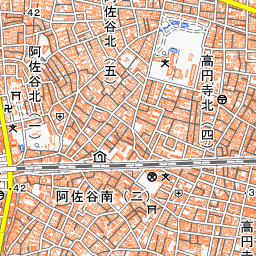
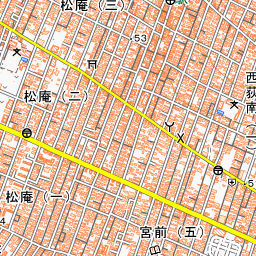
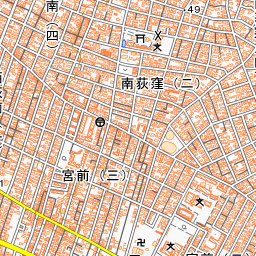
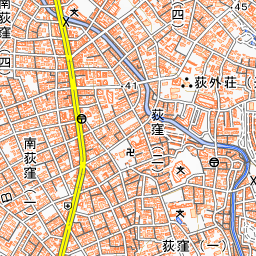
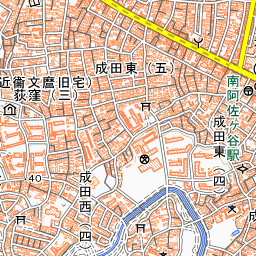
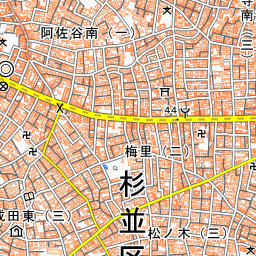
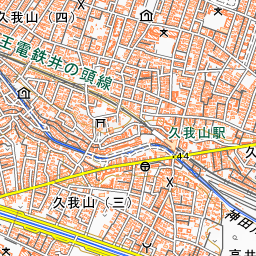
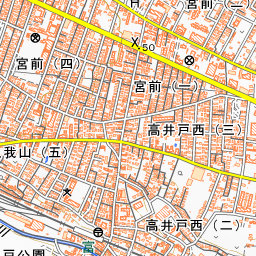
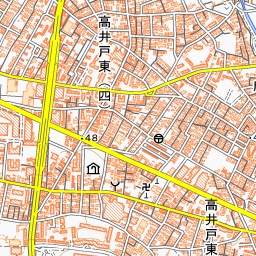
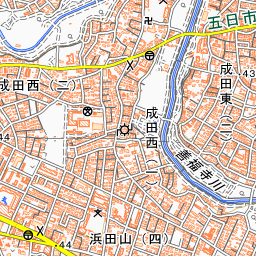
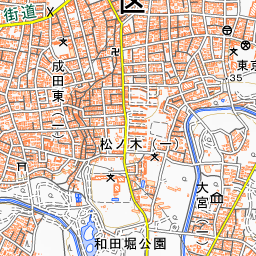
Spot location © OpenStreetMap contributors (ODbL)
Open in Google MapsUse asobot while you walk
- See where you are on the map and find spots nearby
- Listen to the guide's audio in course order, one after another (with subtitles)
- Walk to the next spot while following the map
Open on your phone
Scan to open this spot in asobot on your phone.