 ✨ AI Generated
Jindai Botanical Gardens
Japanese: 神代植物公園
Chofu, Tokyo
This information was written by AI and may contain mistakes. Please check official sources for opening hours, fees, and other details before you go.
Found a mistake? Let us know with “✏️ Something's wrong” on this spot's screen in asobot →
🎧 Audio guide(1:08)
In short
Jindai Botanical Gardens is a Tokyo metropolitan botanical garden located in Chofu City, opened as the only botanical park in Tokyo. Approximately 100,000 plants across around 4,800 varieties are planted in 30 blocks categorized by plant type, such as the rose garden and azalea garden. Its symmetrical sunken rose garden has received the Award of Garden Excellence from the World Federation of Rose Societies.
- Rose Garden: Around 5,200 roses across roughly 400 varieties bloom twice a year, in spring and autumn.
- Large Greenhouse: Collects around 1,300 plant varieties in sections such as the tropical water lily room and the begonia room.
- Woodland Behind Jindai-ji Temple: A typical Musashino copse where sawtooth oaks (kunugi) and konara oaks flourish.
History and Highlights
Jindai Botanical Gardens is a metropolitan botanical garden in Chofu City. Its predecessor was a large green space planned in 1940 as part of the project commemorating the 2,600th year of the Japanese imperial calendar (Kigen 2600). The site was originally a nursery for cultivating street trees and other greenery for Tokyo. After opening to the public as Jindai Ryokuchi (Jindai Green Space) following World War II, its name was changed to Jindai Botanical Gardens in 1961, when it opened as the only botanical park in Tokyo.
The name "Jindai" originates from the fact that this area was Jindai Village when the large green space was established. Before that, this area was Jindaiji Village, which merged with neighboring villages in 1890 to become Jindai Village. The name Jindaiji Village came from the ancient Jindai-ji Temple. Jindai Village later became Jindai Town, which merged with Chofu Town in 1955 to become part of Chofu City. As a result, the name "Jindai" disappeared from local place names but remained in the name of this garden.
Today, approximately 100,000 trees and plants across roughly 4,800 varieties are planted. The grounds are divided into 30 blocks by plant type—including a rose garden, azalea garden, plum garden, and bush clover garden—allowing visitors to acquire botanical knowledge while taking in the views.
Viewing and Experience Highlights
- Rose Garden: Around 5,200 roses across approximately 400 varieties can be seen here. It is a symmetrically designed sunken garden featuring a fountain at its center. In recognition of features such as its collection of wild rose species and the mature, venerable rose shrubs nurtured since the garden's opening, it received the Award of Garden Excellence from the World Federation of Rose Societies. The "Queen of Jindai" rose, named after the park, is also cultivated here. The blooming season occurs twice a year, in spring and autumn.
- Large Greenhouse: Housing around 1,300 plant varieties, it includes a tropical flowering tree room, a tropical water lily room, and a begonia room. It reopened after a renewal in 2016.
- Azaleas and Woodlands: Planted from near the main gate to around the pond, the azaleas total 12,000 shrubs across 280 cultivars, serving as one of the garden's symbols. The copse behind Jindai-ji Temple is a typical Musashino woodland lush with sawtooth oaks, konara oaks, and hornbeams (inushide), with its central area preserved in its natural state.
Strolling Tips
Jindai-ji Temple is adjacent to the south side of the park. In addition to the main gate, the garden has the Jindaiji Gate, and the grounds of Jindai-ji Temple are approximately 340 meters to the southeast in a straight line. The Aquatic Botanical Garden was developed with boardwalks and opened in a wetland fed by spring waters from the hills behind Jindai-ji Temple. Part of it constitutes the Jindaiji Castle ruins, a nationally designated Historic Site. Within the park, the Plant Diversity Center works on the conservation and propagation of endangered plant species.
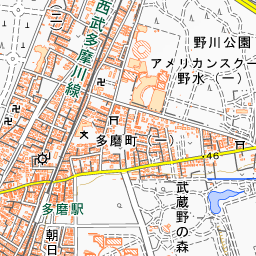
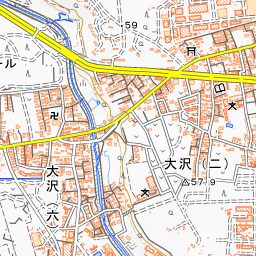
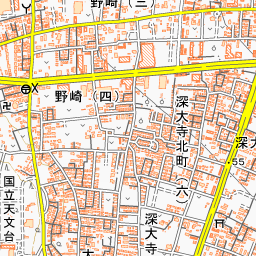
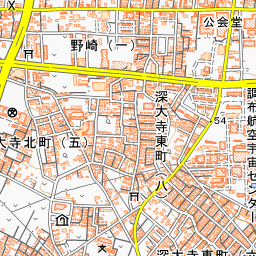
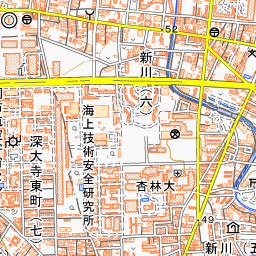

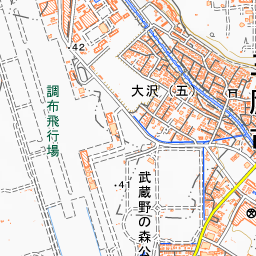
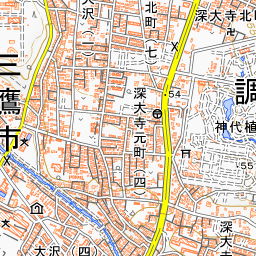
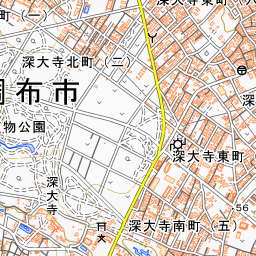
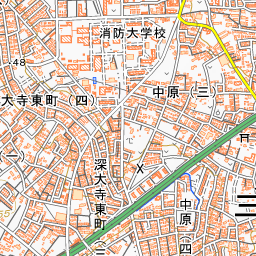
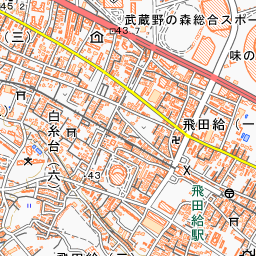

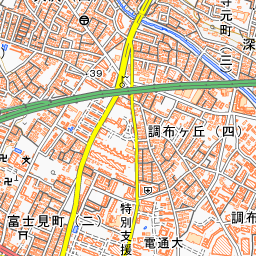
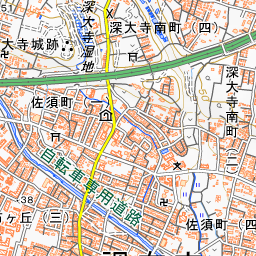
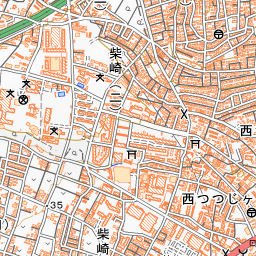
Spot location © OpenStreetMap contributors (ODbL)
Open in Google MapsGuides that include this spot (1)
Use asobot while you walk
- See where you are on the map and find spots nearby
- Listen to the guide's audio in course order, one after another (with subtitles)
- Walk to the next spot while following the map
Open on your phone
Scan to open this spot in asobot on your phone.