 ✨ AI Generated
Gansen-ji Temple
Japanese: 願泉寺
Kaizuka, Osaka
This information was written by AI and may contain mistakes. Please check official sources for opening hours, fees, and other details before you go.
Found a mistake? Let us know with “✏️ Something's wrong” on this spot's screen in asobot →
🎧 Audio guide(1:14)
In short
A temple of the Jodo Shinshu Hongwanji-ha school known as "Kaizuka Gobo," and the central temple of the Kaizuka jinaimachi (temple town). From Tensho 11 (1583), Kennyo, the 11th head of Hongan-ji, placed his temple base here, and the Hongan-ji headquarters remained here for a little over two years. In the Edo period, the Bokuhan family, who served as the temple's chief priests, became the lords of the temple town, and Kaizuka continued as a jinaimachi until the Meiji Restoration.
- Edo-period Temple Complex: The Edo-period temple buildings within the grounds remain almost entirely intact. The Main Hall (Hondo) rebuilt in Kanbun 3 (1663), the Front Gate (Omotemon), said to date from Enpo 7 (1679), and the Drum Tower (Taikodo) from 1719 are designated as Important Cultural Properties of Japan
- Carvings on the Front Gate: The dragon carving seen when looking up from below is well known, and an ink inscription that was found revealed that it was crafted in Genroku 3 (1690) by a person named Izumi Kaemon
- Streetscape of the Temple Town: In corners of the temple town, earthen storehouses (dozo) and lattice doors remain here and there along the alleys, reflecting the past prosperity of the town
History and Highlights
Gansen-ji Temple is a temple of the Jodo Shinshu Hongwanji-ha school known as "Kaizuka Gobo," and serves as the central temple of the Kaizuka jinaimachi (temple town). Its principal image of worship is Amida Nyorai. It is said to have begun as a thatched hermitage on the beach of Kaizuka founded by Gyoki. Around Tenbun 14 (1545), Bokuhansai Ryochin, invited from Negoro-ji Temple in Kishu, is said to have become its chief priest.
In Tenbun 24 (1555), Kaizuka became a jinaimachi under the Hongan-ji temple. In Tensho 5 (1577), during the Ishiyama War, it was destroyed in an attack by Oda Nobunaga, but residents returned and rebuilt it once the war ended. From Tensho 11 (1583), Kennyo, the 11th head of Hongan-ji, placed his temple base here, and the Hongan-ji headquarters remained here for a little over two years. At that time, the temple town was surrounded by a moat three ken (approx. 5.5 meters) wide, and the Kishu Kaido road is said to have traversed through its center from north to south.
In the Edo period, the Bokuhan family, who served as the temple's chief priests, became the lords of the temple town, and Kaizuka continued as a jinaimachi until the Meiji Restoration. It flourished through commerce and industry, and was especially well known for Izumi cotton and Izumi combs (Izumi-gushi).
Viewing and Experience Highlights
- Edo-period Temple Complex: The Edo-period temple grounds and buildings remain almost entirely intact. The large Main Hall (Hondo), rebuilt in Kanbun 3 (1663) in the irimoya-zukuri (hip-and-gable) style with a hongawarabuki (tiled) roof, the Front Gate (Omotemon) dated to Enpo 7 (1679), and the Drum Tower (Taikodo) from 1719 are designated as Important Cultural Properties of Japan. The "Great Heisei Repair" was conducted from Heisei 16 (2004) to Heisei 23 (2011).
- Carvings on the Front Gate: The dragon carving seen when looking up from below is well known. An ink inscription that was found revealed that it was crafted in Genroku 3 (1690) by a person named Izumi Kaemon. Mythical creatures such as lions (shishi) and kirin are also carved into the upper part of the gate.
- Belfry: The original belfry was destroyed by fire in the 1945 Kaizuka air raid. The current belfry, built in Genroku 13 (1700), was relocated in 1948 from Seisho-ji, an abandoned temple in Mori, Kaizuka City.
Walking Tips
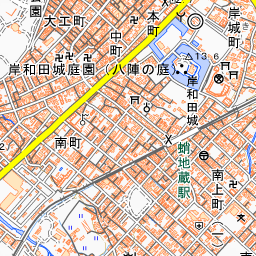
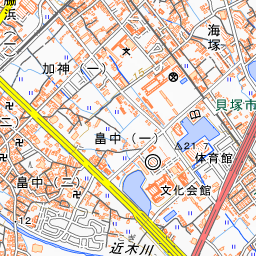
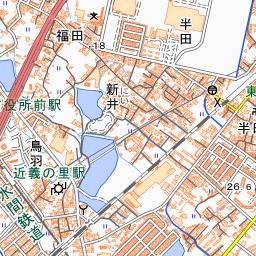
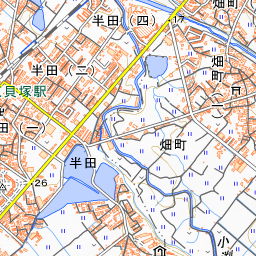
Gansen-ji Temple is located near Kaizuka Station on the Nankai Main Line. In corners of the former temple town, earthen storehouses (dozo) and lattice doors remain here and there along the alleys, reflecting the past prosperity of the town. At Kanda-jinja Shrine, which enshrines the ubusunagami (guardian deity) of the temple town, there are remnants of the surrounding moat, said to be the only remaining trace of the moats that once encircled the town; walking there along with the temple offers a sense of how the town was established.
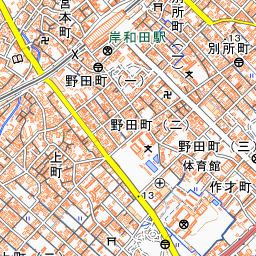
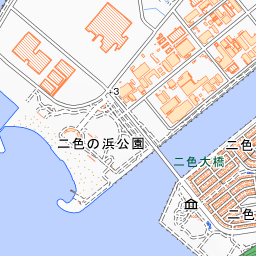
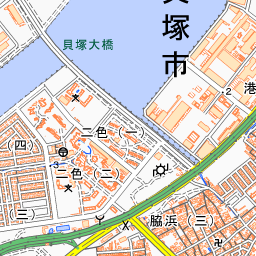
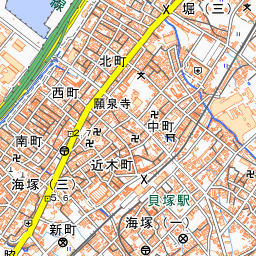
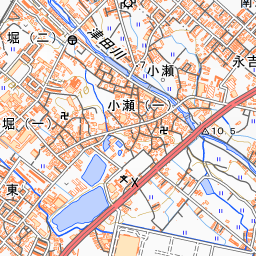
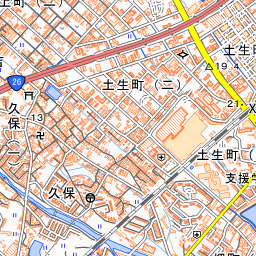
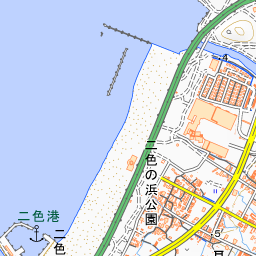
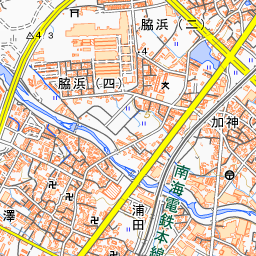
Spot location © OpenStreetMap contributors (ODbL)
Open in Google MapsGuides that include this spot (1)
Use asobot while you walk
- See where you are on the map and find spots nearby
- Listen to the guide's audio in course order, one after another (with subtitles)
- Walk to the next spot while following the map
Open on your phone
Scan to open this spot in asobot on your phone.