 ✨ AI Generated
Former Imperial Japanese Naval Academy
Japanese: 旧海軍兵学校
Etajima, Hiroshima
This information was written by AI and may contain mistakes. Please check official sources for opening hours, fees, and other details before you go.
Found a mistake? Let us know with “✏️ Something's wrong” on this spot's screen in asobot →
🎧 Audio guide(1:03)
In short
The Former Imperial Japanese Naval Academy is the site of a school that once trained naval officers on Etajima. The academy moved here from Tsukiji, Tokyo, in 1888. Today, it serves as the JMSDF Officer Candidate School and the JMSDF 1st Service School, among other functions, and parts of the facilities can be visited on guided tours.
- Red Brick Cadet Barracks: A Western-style red-brick building constructed in 1893 as the student barracks, designed by a British architect and built with bricks imported from the United Kingdom
- Granite Large Auditorium: Built in 1917, with exterior walls of granite from the Seto Inland Sea and an interior atrium with beautiful arches. It is still used today for entrance and graduation ceremonies
- Kyoiku Sankokan Museum: It preserves approximately 16,000 items related to the former navy, displaying around 1,000 of them. The farewell letters and personal belongings of Kamikaze special attack force members leave a powerful impression on visitors
History and Highlights
The Former Imperial Japanese Naval Academy is the site of a school that once trained naval officers in Etajima. Today, it serves as the JMSDF Officer Candidate School and the JMSDF 1st Service School, among other functions, and parts of the facilities are open for tours.
In 1886, when Kure was selected as the site for a naval district, the decision was made to relocate the naval academy to Etajima. Located close to the Kure Naval District, suitable for mooring warships, and blessed with a good environment, Etajima welcomed the academy's relocation from Tsukiji, Tokyo, in August 1888. Following the end of World War II in August 1945, the site was placed under the control of the British Commonwealth Occupation Force and others, before being handed over to the Japan Maritime Self-Defense Force in 1956. Buildings from the Meiji, Taisho, and Showa periods are still preserved and actively used on the grounds, resembling a museum of modern architecture.
Viewing and Experience Points
- Red Brick Cadet Barracks: A Western-style red-brick building constructed in 1893 as the student barracks for the naval academy. It now serves as the headquarters for the JMSDF Officer Candidate School. It was designed by a British architect, and bricks imported from the United Kingdom were used in its construction.
- Granite Large Auditorium: Built in 1917 as a venue for naval academy entrance and graduation ceremonies, as well as moral and spiritual education. The exterior walls are made of granite from the Seto Inland Sea, and the interior features an open-ceiling atrium with beautiful arches. It is still used today for entrance and graduation ceremonies for officer candidates and others.
- Kyoiku Sankokan Museum: Preserves approximately 16,000 items related to the former navy, displaying around 1,000 of them. Among these, the farewell letters and personal belongings of Kamikaze special attack force members leave a powerful impression on visitors. Its origins date back to 1925, when the school principal at the time gathered and displayed records of military campaigns and commemorative items collected up to that point.
Walking Tips
Tours are guided, start at designated times, and last about 90 minutes. Registration takes place at the main gate between 30 minutes and 5 minutes before the start time. Leaving the tour midway is generally not permitted, and because a significant distance is covered on foot, please arrive in comfortable walking attire. Tours may be canceled depending on circumstances. From Hiroshima's Ujina Port, it takes about 25 minutes by high-speed boat, or about 20 minutes by ferry from Kure Port to arrive at Koyo Port, followed by an approximately 7-minute taxi ride. The Yamato Museum in Kure lies about 7.5 kilometers to the east across the sea in a straight line.
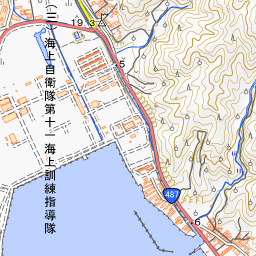
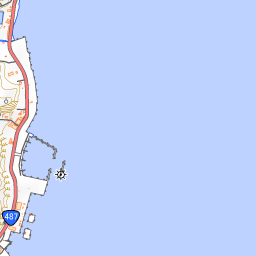
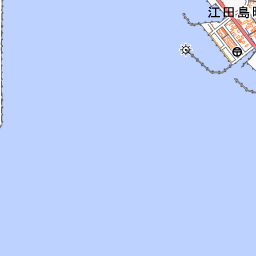
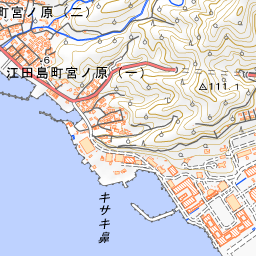
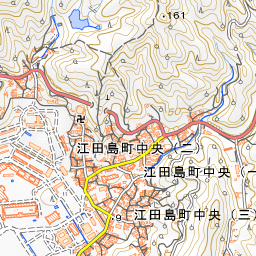
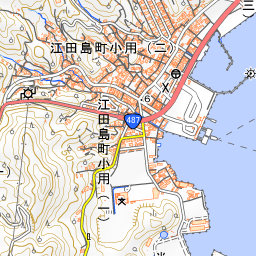
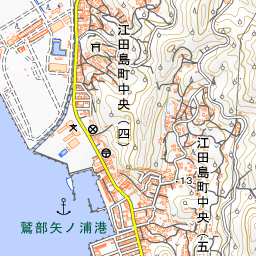
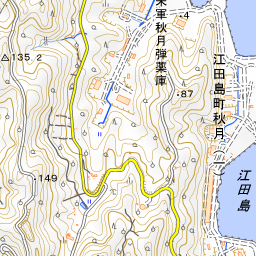
Spot location © OpenStreetMap contributors (ODbL)
Open in Google MapsGuides that include this spot (1)
Use asobot while you walk
- See where you are on the map and find spots nearby
- Listen to the guide's audio in course order, one after another (with subtitles)
- Walk to the next spot while following the map
Open on your phone
Scan to open this spot in asobot on your phone.