 ✨ AI Generated
Gajoen Tokyo Hyakudan Kaidan
Japanese: 雅叙園東京 百段階段
Meguro City, Tokyo
This information was written by AI and may contain mistakes. Please check official sources for opening hours, fees, and other details before you go.
Found a mistake? Let us know with “✏️ Something's wrong” on this spot's screen in asobot →
🎧 Audio guide(1:14)
In short
Gajoen Tokyo Hyakudan Kaidan is a wooden structure designated as a Tangible Cultural Property by the Tokyo Metropolitan Government, located inside Gajoen Tokyo near Meguro Station. Built in 1935, a long 99-step staircase corridor connects seven rooms where splendid banquets were held. Gajoen Tokyo was once a ryotei (traditional restaurant) called Meguro Gajoen, and its building was known as the "Ryugu-jo (Palace of the Dragon King) of the Showa era," characterized by its extraordinary, lavish decorations.
- A 99-step staircase corridor: "Hyakudan Kaidan" (100-step staircase) is a popular name, and the stairs are made of Japanese zelkova planks approximately 5 cm thick.
- Seven rooms of differing tastes: Paintings by prominent artists of the time adorn the ceilings and ranma (transom screens).
- Gyosho no Ma: The interior is completely finished with pure gold leaf, pure gold powder paint, and pure gold flakes, with enormous Japanese cypress forming the left and right alcove posts.
History and Highlights
"Hyakudan Kaidan" in Gajoen Tokyo Hyakudan Kaidan is a popular name; the structure corresponds to Building No. 3 of the former Meguro Gajoen. It is a wooden building constructed in 1935. A long 99-step staircase corridor connects the seven rooms that were once used as banquet halls of a traditional restaurant (ryotei) and hosted splendid banquets. In March 2009, it was designated as a Tangible Cultural Property by Tokyo.
Meguro Gajoen was a ryotei opened in Meguro by Hosokawa Rikizo in 1931. Later becoming Hotel Gajoen Tokyo, it is now Gajoen Tokyo. The building back then was called the "Ryugu-jo of the Showa era," distinguished by its extraordinary lavishness in decoration.
Gajoen Tokyo Hyakudan Kaidan is adorned with 126 Japanese-style paintings by leading artists of the early Showa period, mother-of-pearl (raden) inlays, kumiko shoji screens made without nails or adhesives, over 750 cloisonné pieces set into the ceilings, and Japanese cypress alcove posts around 200 years old. The rooms linked by the staircase each have a different artistic style.
Viewing and Experience Points
- Staircase Corridor: A long staircase corridor using zelkova planks approximately 5 cm thick. Although it is called "Hyakudan Kaidan" (100-step staircase), there are actually 99 steps. As you ascend, you can compare the different design tastes that change from room to room.
- Jippo no Ma and Gyosho no Ma: In Jippo no Ma, a total of 23 ceiling panels across the front room and main room depict the four seasons of birds and flowers by Araki Jippo, and black lacquer mother-of-pearl inlay work can be seen throughout. In Gyosho no Ma, the interior is finished entirely with pure gold leaf, pure gold powder paint, and pure gold flakes. The left and right alcove posts are huge Japanese cypresses carved with a scene from the Chinese story Gyosho Mondo.
- Kiyokata no Ma and Chojo no Ma: Kiyokata no Ma is a calm, tea-ceremony-style room built by Kaburaki Kiyokata, a master of bijin-ga (pictures of beautiful women). The paintings on the transom depicting the seasonal customs of beauties are also from the brush of Kaburaki Kiyokata. The ceiling paintings in Chojo no Ma are the work of disciples of Matsuoka Eikyu.
Tips for Exploring
It is a 3-minute walk down Gyoninzaka Slope from Meguro Station, or a 5-minute walk down Gonnosukezaka Slope. Enter through the main entrance of Gajoen Tokyo and take the elevator on the left to the 3rd floor for the Hyakudan Kaidan. Days when it is open for viewing are determined by each special exhibition, and because intervals between public openings have sometimes lasted around one year, please check the official event calendar before heading out. Movement inside the venue is via stairs, so wheelchairs and strollers cannot be used. Because visitors take off their shoes to tour the Japanese-style rooms, wearing socks or similar footwear is recommended. Daien-ji Temple is located along Gyoninzaka Slope.

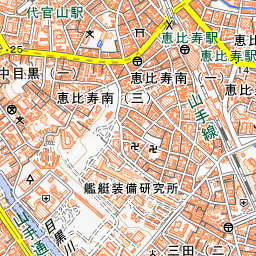
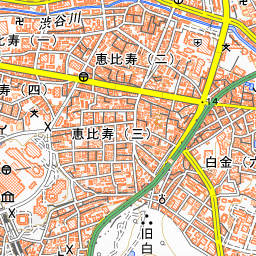

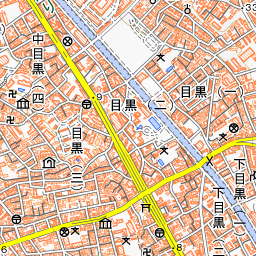
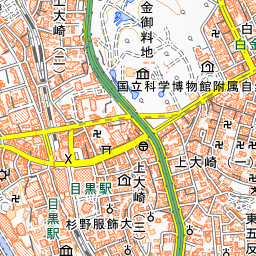
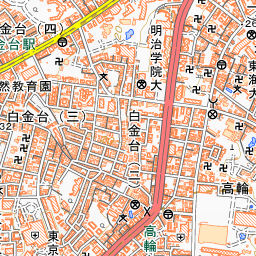
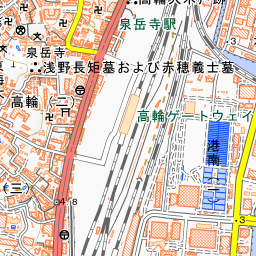
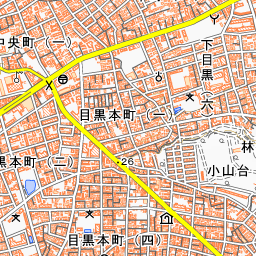
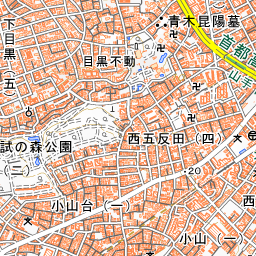
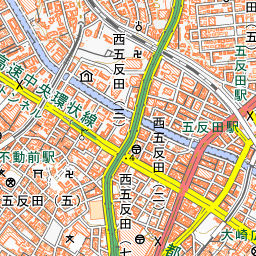
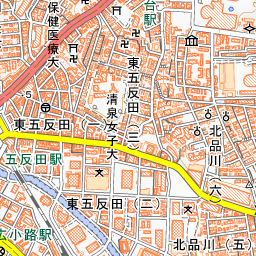
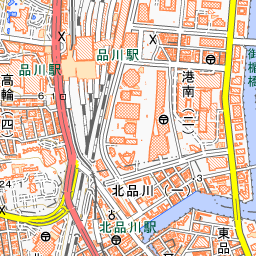
Spot location © OpenStreetMap contributors (ODbL)
Open in Google MapsUse asobot while you walk
- See where you are on the map and find spots nearby
- Listen to the guide's audio in course order, one after another (with subtitles)
- Walk to the next spot while following the map
Open on your phone
Scan to open this spot in asobot on your phone.