 ✨ AI Generated
Fuchu City Kyodo-no-Mori Museum
Japanese: 府中市郷土の森博物館
Fuchu, Tokyo
This information was written by AI and may contain mistakes. Please check official sources for opening hours, fees, and other details before you go.
Found a mistake? Let us know with “✏️ Something's wrong” on this spot's screen in asobot →
🎧 Audio guide(1:05)
In short
Fuchu City Kyodo-no-Mori Museum is a comprehensive museum that opened at its current location in 1987. The grounds, spanning approximately 14 hectares, were created as a "microcosm of Fuchu," featuring eight relocated and restored buildings dating from the Edo period to the early Showa period. The main building houses a planetarium and permanent exhibition rooms where visitors can learn about the history, culture, and nature of Fuchu.
- Relocated Buildings: A Western-style town hall from the Taisho period and a post office from the Meiji period stand within the grounds.
- Planetarium: With a dome diameter of 23 meters, it is among the largest horizontal-type planetariums in the Kanto region. The projector was manufactured by a company located right in Fuchu City.
- Plum Trees in the Grounds: The plum trees are said to number over 1,300 across approximately 120 varieties, and the "Kyodo-no-Mori Plum Festival" is held during the plum blossom season.
History and Highlights
Fuchu City Kyodo-no-Mori Museum is a comprehensive museum originating from the Fuchu Municipal Local Museum, which opened in 1968. It opened at its current site in 1987.
A major feature is the park area of about 14 hectares surrounding the main museum building. The grounds are designed as a "microcosm of Fuchu." The natural levee of the Tama River, which once crossed the center of the site from east to west, was modeled after the cliff of the Tachikawa Terrace, known as the Hake, which divides Fuchu City into north and south. Above the Hake, there are roads designed to evoke the Koshu Kaido highway and zelkova-lined avenues, alongside town buildings, dry-field farmhouses, and mixed woodlands. Below the Hake, there are paddy fields, rice-farming houses, and a watermill.
Eight buildings that previously existed within the city from the Edo period to the early Showa period have been relocated and restored here.
The main building contains permanent exhibition rooms where you can learn about Fuchu's history, culture, and nature, as well as a planetarium. The permanent exhibition rooms particularly highlight three sections: the Kurayami Matsuri (Darkness Festival), the birth of the ancient provincial capital (kokufu), and the bustling post town. The ancient provincial capital section also introduces the Musashi Fuchu Kumano-jinja Kofun Burial Mound.
Viewing and Experience Highlights
- Former Fuchu Town Hall and Former Fuchu Post Office: The town hall is a Western-style building completed in 1921 and is a Tokyo-designated Tangible Cultural Property. Built over three years amid financial difficulties through the enthusiasm of the townspeople, it features a traditional Japanese karahafu (cusped gable) roof over its front carriage porch. It is also the oldest surviving town hall architecture in the Tama region. The post office was operated in the Yajima family residence from 1872 to 1889. It is marked by a circular postal counter window and a black rectangular prism-shaped postbox.
- Maimai-zu Well: The Maimai-zu well is a well restored based on remains from the Heian period. "Maimai" is another name for a snail, and a path spirals down along the slope of a mortar-shaped hollow to reach the water.
- Planetarium: The dome diameter is 23 meters, making it one of the largest horizontal-type planetariums in the Kanto region. The projector, "CHIRON III," is a product of Goto Inc. (Goto Optical Laboratory), located in Fuchu City. It projects approximately 100 million stars, including the Milky Way.
Tips for Exploring
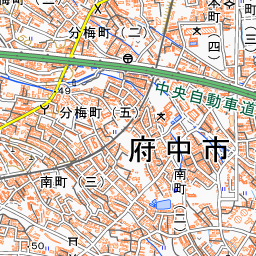
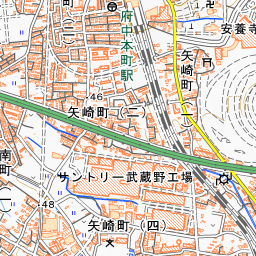
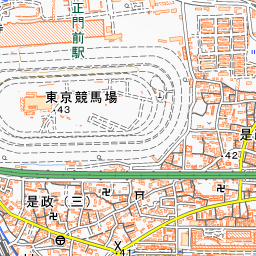
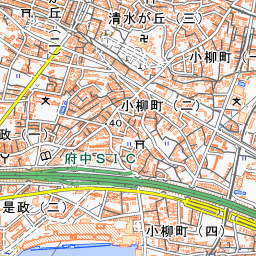
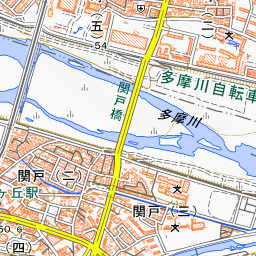
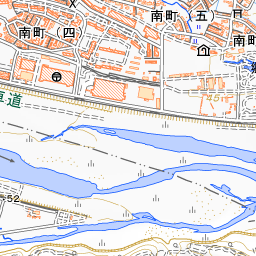
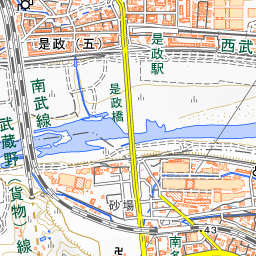
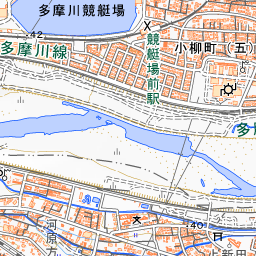
If walking, it takes 20 minutes from Fuchu-Honmachi Station, Bubaigawara Station, and Koremasa Station alike.
Walking through the grounds while paying attention to the areas above and below the Hake will help you understand the concept behind the "microcosm of Fuchu." The flowers change with each season, featuring plums and wintersweet in January and February, cherry blossoms in April, and hydrangeas in June. The park's plum trees are said to number over 1,300 across about 120 varieties, making it one of the prominent plum groves in Tokyo. The "Kyodo-no-Mori Plum Festival" is held during the plum blossom season.
Some buildings may not be open to visitors due to construction or other reasons. If there is a specific building you wish to see, check the museum's notices before visiting.


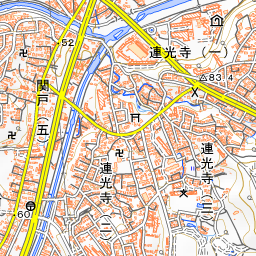
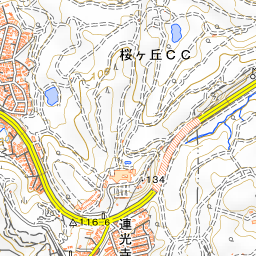
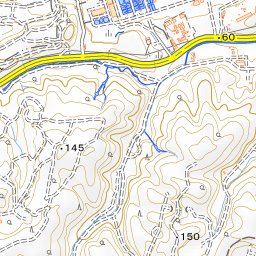
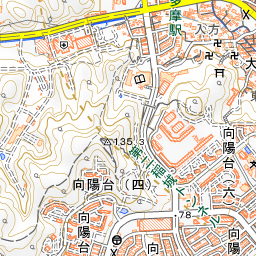
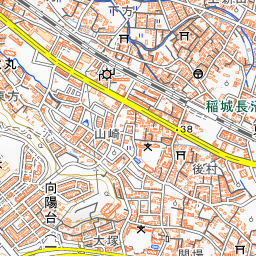
Spot location © OpenStreetMap contributors (ODbL)
Open in Google MapsGuides that include this spot (1)
Use asobot while you walk
- See where you are on the map and find spots nearby
- Listen to the guide's audio in course order, one after another (with subtitles)
- Walk to the next spot while following the map
Open on your phone
Scan to open this spot in asobot on your phone.