 ✨ AI Generated
Shinobazu Pond
Japanese: 不忍池
Taito City, Tokyo
This information was written by AI and may contain mistakes. Please check official sources for opening hours, fees, and other details before you go.
Found a mistake? Let us know with “✏️ Something's wrong” on this spot's screen in asobot →
🎧 Audio guide(1:04)
In short
Shinobazu Pond is a natural pond located inside Ueno Park, consisting of three sections: the Lotus Pond, Boat Pond, and Cormorant Pond. Known as a famous spot for lotuses since the Edo period, it was one of Edo's leading leisure destinations along with the hills of Ueno. On the island of Nakanoshima stands Shinobazu Pond Benten-do Hall, built by Tenkai—the founder of Kan'ei-ji Temple—modeled after Hogon-ji Temple on Chikubushima Island.
- Lotus Pond: Around July to August, a profusion of lotuses that nearly covers the pond blooms with pink flowers. The blossoms open early in the morning and gradually close toward midday.
- Boat Pond and Cormorant Pond: You can rent swan boats and rowboats at the Boat Pond, while many ducks and migratory birds visit the Cormorant Pond.
- Shinobazu Pond Benten-do Hall: An octagonal hall designed so that visitors can pray from all four cardinal directions.
History and Highlights
Shinobazu Pond is a natural pond in Ueno Park. This area was anciently part of the sea, and it is said to have turned into a marsh during the Heian period as the coastline receded.
Tenkai, who founded Kan'ei-ji Temple, designed the hills of Ueno based on the concept of mitate (visual metaphor or modeling). He envisioned Shinobazu Pond as Lake Biwa, and the small existing island as Chikubushima Island. Furthermore, consulting with Mizunoya Katsutaka, he enlarged the island and constructed a hall modeled after Hogon-ji Temple on Chikubushima. This is Shinobazu Pond Benten-do Hall standing on Nakanoshima. At first, boats were used to visit the hall, but as worshippers increased, a bridge was built during the Edo period.
During the Edo period, Shinobazu Pond was enjoyed as a scenic spot for lotus viewing, moon viewing, and snow viewing. Tea houses lined the pond, and it became one of Edo's premier pleasure spots alongside the hills of Ueno. In the Meiji era, horse racing was held in 1884 in the presence of Emperor Meiji. In 1946, the Lotus Pond was even drained and turned into rice paddies for a time.
Viewing and Experience Points
- Lotus Pond: Around July to August, a profusion of lotuses that nearly covers the pond blooms with pink flowers. A colony of this scale is said to be unique within Tokyo. Since the Edo period, it has been renowned enough to be depicted in ukiyo-e woodblock prints.
- Boat Pond and Cormorant Pond: At the Boat Pond, you can rent swan boats or rowboats with oars. The Cormorant Pond is visited by many ducks and migratory birds, including mallards and northern pintails. In winter, duck species migrating from distant Siberia and Alaska can be seen.
- Shinobazu Pond Benten-do Hall: An octagonal hall built to allow prayers from all four directions. The current hall was reconstructed in 1958. The principal image is Benzaiten with eight arms. On the island, there are also the "Eyeglass Monument," modeled after eyeglasses favored by Tokugawa Ieyasu, and the "Fugu Memorial Monument" erected by the Tokyo Fugu Cuisine Association.
Strolling Tips
It is about a 5-minute walk from JR Ueno Station. Because the lotus blossoms open in the early morning and gradually close toward noon, visiting in the morning is recommended. You can enjoy the morning pond while walking on the deck that allows you to see the flowers up close.
About 260 meters to the east is Kiyomizu Kannon-do Hall. It is said that the Lotus Pond of Shinobazu Pond could be viewed from the Kiyomizu Stage. Utagawa Hiroshige's Kiyomizu Hall and Shinobazu Pond at Ueno from the One Hundred Famous Views of Edo also depicts the view looking toward Shinobazu Pond from Kiyomizu Kannon-do Hall.


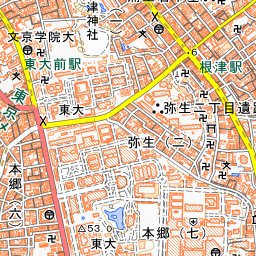

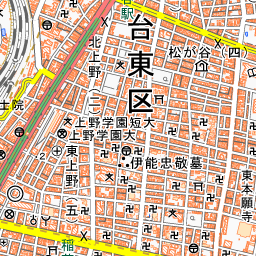

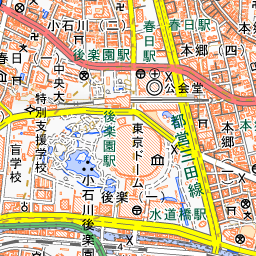
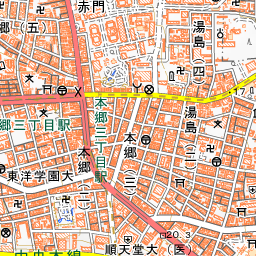


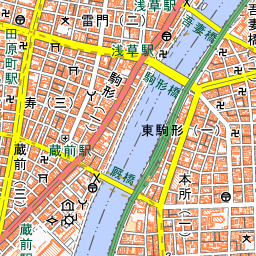
Spot location © OpenStreetMap contributors (ODbL)
Open in Google MapsGuides that include this spot (1)
Use asobot while you walk
- See where you are on the map and find spots nearby
- Listen to the guide's audio in course order, one after another (with subtitles)
- Walk to the next spot while following the map
Open on your phone
Scan to open this spot in asobot on your phone.