 ✨ AI Generated
Tobacco & Salt Museum
Japanese: たばこと塩の博物館
Sumida City, Tokyo
This information was written by AI and may contain mistakes. Please check official sources for opening hours, fees, and other details before you go.
Found a mistake? Let us know with “✏️ Something's wrong” on this spot's screen in asobot →
🎧 Audio guide(0:59)
In short
The Tobacco & Salt Museum is a museum centered on the history and culture of tobacco and salt, which were once government monopoly goods. It originally opened in 1978 on Koen-dori in Shibuya, and reopened in 2015 after relocating to Yokogawa, Sumida Ward.
- History and Culture of Tobacco: Beginning with a full-scale replica of the "Smoking God" relief from the Palenque ruins in Mexico, the exhibits continue with smoking pipes and paraphernalia from around the world and a recreation of an Edo-period tobacco shop.
- Altar of St. Kinga: A rock-salt restoration of the altar in the chapel of the Wieliczka Salt Mine in Poland. Even the floor and the ceiling chandelier are made of rock salt.
- Salt Making in Japan: Introduces the unique evolution of Japanese salt production, where concentrated brine is made from seawater and then boiled down into salt.
History and Highlights
The Tobacco & Salt Museum focuses on the history and culture of tobacco and salt, which used to be monopoly items. Established by the Japan Monopoly Corporation (now Japan Tobacco Inc.), it opened in November 1978 on Koen-dori in Shibuya. On April 25, 2015, it relocated to Yokogawa, Sumida Ward, and reopened with permanent and special exhibition rooms about twice the previous size.
Tobacco's cultural origins began when it was used as a ceremonial plant in the ancient civilizations of the Americas. From the 16th century onward, it spread worldwide as something enjoyed for pleasure. It arrived in Japan at the end of the 16th century, blending into the daily culture of the common people throughout the Edo period and fostering a unique Japanese tobacco culture.
Salt has been deeply linked to humanity as a vital sustenance of life. Because Japan lacked inland salt resources like rock salt and has a climate ill-suited to natural salt production, a unique method of making concentrated brine from seawater and boiling it down developed as far back as the Jomon period.
Highlights and Experiences
- History and Culture of Tobacco (3rd Floor): The entrance to the exhibition room features a section where local artisans recreated a portion of the Temple of the Cross from the Palenque ruins in Mexico. The full-scale replica of the "Smoking God" relief here is modeled on the oldest surviving material related to tobacco. Visitors can also see smoking paraphernalia from around the world and a recreation of an Edo-period tobacco shop from the Honjo area (now Sumida Ward).
- Altar of St. Kinga (2nd Floor): In the "World of Salt" exhibition room, there is a recreation of the Altar of St. Kinga from the chapel in Poland's Wieliczka Salt Mine. It was crafted by Polish artisans using rock salt extracted with special permission. Not only the statue of St. Kinga, but also the floor, the back wall, and even the chandelier on the ceiling are made of rock salt.
- Salt Making in Japan (2nd Floor): In rainy Japan, a salt-making method developed in two stages: obtaining concentrated brine (kansui) from seawater, and boiling down that brine to produce salt crystals. A kamaya (boiler hut) that was actually used for around 50 years on the Noto Peninsula has been relocated and reconstructed in the exhibition room.
Travel Tips
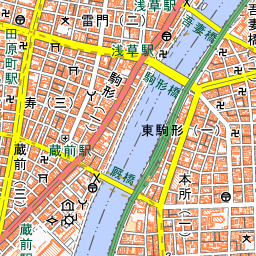
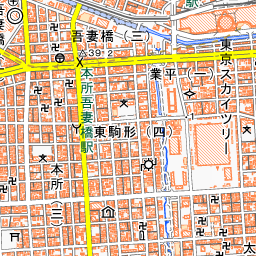
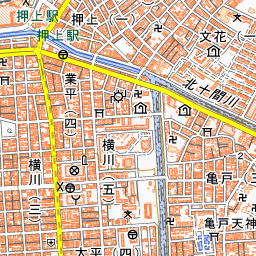
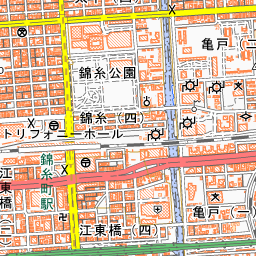
The museum is about a 12-minute walk from Oshiage (SKYTREE) Station, and about a 10-minute walk from both Tokyo Skytree Station and Honjo-azumabashi Station. If coming from Oshiage Station, a stroll along the Kitajukken River is also recommended. Crossing Tobu-bashi Bridge at the western end of Tokyo Skytree Town leads straight to the museum. About 500 meters to the north are Tokyo Skytree and Sumida Aquarium.
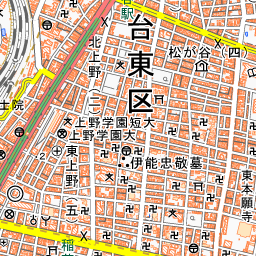

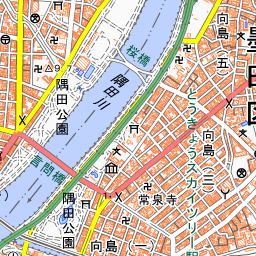
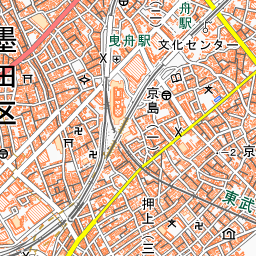
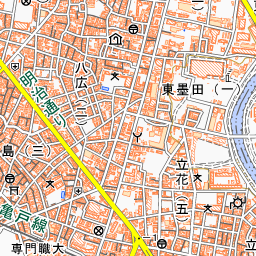



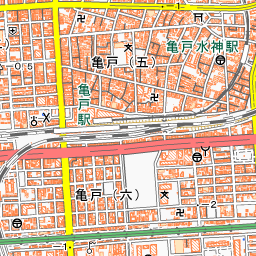
Spot location © OpenStreetMap contributors (ODbL)
Open in Google MapsUse asobot while you walk
- See where you are on the map and find spots nearby
- Listen to the guide's audio in course order, one after another (with subtitles)
- Walk to the next spot while following the map
Open on your phone
Scan to open this spot in asobot on your phone.