 ✨ AI Generated
Daisen Park Japanese Garden
Japanese: 大仙公園日本庭園
Sakai Ward, Sakai, Osaka
This information was written by AI and may contain mistakes. Please check official sources for opening hours, fees, and other details before you go.
Found a mistake? Let us know with “✏️ Something's wrong” on this spot's screen in asobot →
🎧 Audio guide(1:22)
In short
A garden in the tsukiyama-rinsen-kaiyu-shiki (stroll garden with artificial hills, forest, and ponds) style, located in the western part of Daisen Park, which extends between Nintoku-tenno-ryo Kofun Burial Mound and Richu-tenno-ryo Kofun Burial Mound. Created to commemorate the 100th anniversary of Sakai's incorporation as a city, it opened in March 1989. It was designed by Nakane Kinsaku, who is known for designing the gardens of the Adachi Museum of Art and other locations, and the entire garden is likened to Sakai, which flourished as a hub of overseas trade from the medieval period.
- A Garden Likened to Sakai: From "Togendai," an artificial hill, the "Ishizu-kei" mountain stream, modeled after the Ishizu River, flows out and pours into a pond representing the vast ocean. The eastern side of the pond represents Sakai, while the opposite western bank represents the Chinese mainland
- Buildings Reflecting Sakai's History: The rest pavilion on the eastern bank was built to resemble a meeting hall of the nayashu formed by prominent merchants of medieval Sakai. At "Ryuhaitei," a meandering stream is reproduced, and its pattern is said to resemble the face of Sun Wukong
- Seasonal Flowers and Autumn Leaves: Around 500 peony plants at Togendai reach their peak bloom from mid- to late April, and Japanese irises at Tojaku-chi Pond are at their best from late May to early June. From mid- to late November, about 100 Japanese maples (iroha momiji) take on color
History and Highlights
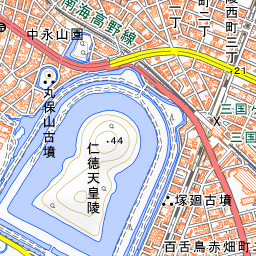
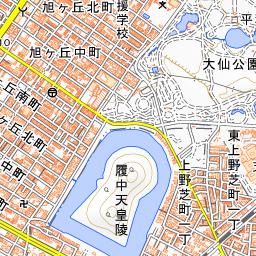
Daisen Park Japanese Garden is a garden located in the western part of Daisen Park, which extends between Nintoku-tenno-ryo Kofun Burial Mound and Richu-tenno-ryo Kofun Burial Mound. Created to commemorate the 100th anniversary of Sakai's incorporation as a city, it is a tsukiyama-rinsen-kaiyu-shiki (stroll garden with artificial hills, forest, and ponds) style garden that opened in March 1989. It was designed by Nakane Kinsaku, who is known for designing the gardens of the Adachi Museum of Art and other locations.
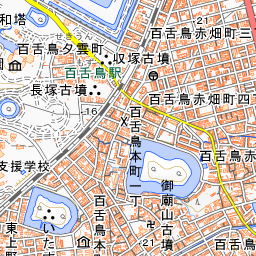
The entire garden is likened to Sakai, which flourished as a hub of overseas trade from the medieval period. From "Togendai," an artificial hill reminiscent of the Senboku Hills, the "Ishizu-kei" mountain stream, modeled after the Ishizu River, flows out and pours into a pond representing the vast ocean. The eastern side of the pond represents Sakai, while the opposite western bank represents the Chinese mainland. With a total area of 26,000 square meters, visitors can stroll completely around the garden centered on the waterside, which accounts for about one-third of the area.
Appreciation and Experience Points
- Buildings Reflecting Sakai's History: The rest pavilion on the eastern bank was built to resemble a meeting hall of the nayashu (wealthy warehouse merchants) formed by prominent merchants of medieval Sakai. At Ryuhaitei, where a water channel is carved into stone presented by Sakai's friendship city, Lianyungang in China, a meandering stream is reproduced, and its pattern is said to resemble the face of Sun Wukong.
- View from Kasatei: From Kasatei, which offers a sweeping view of the garden, a panoramic landscape spreads out, overlooking the pond, the rest pavilion, and two bridges nearby, while looking up at Nintoku-tenno-ryo Kofun Burial Mound and Richu-tenno-ryo Kofun Burial Mound in the distance.
- Seasonal Flowers and Autumn Leaves: Around 500 peony plants at Togendai reach their peak bloom from mid- to late April, and Japanese irises at Tojaku-chi Pond are at their best from late May to early June. From mid- to late November, about 100 Japanese maples (iroha momiji) take on vibrant colors around Ingetsu-kyo Bridge and Eiha-kyo Bridge.
Tips for Strolling
It is a 10-minute walk from Mozu Station on the JR Hanwa Line. At the tea service seating in the garden, visitors can enjoy matcha green tea along with the view of the garden. Located about 390 meters to the east, right next to the Sakai City Museum, are the Shin-an Teahouse and Obai-an Teahouse, which can be visited in combination with a walk through Daisen Park. Daisen Kofun Burial Mound stretches out about 710 meters to the northeast.
Guides that include this spot (1)
Use asobot while you walk
- See where you are on the map and find spots nearby
- Listen to the guide's audio in course order, one after another (with subtitles)
- Walk to the next spot while following the map
Open on your phone
Scan to open this spot in asobot on your phone.