 ✨ AI Generated
Nakano City Tetsugakudo Park
Japanese: 中野区立哲学堂公園
Nakano City, Tokyo
This information was written by AI and may contain mistakes. Please check official sources for opening hours, fees, and other details before you go.
Found a mistake? Let us know with “✏️ Something's wrong” on this spot's screen in asobot →
🎧 Audio guide(1:16)
In short
Nakano City Tetsugakudo Park is a philosophy-themed park opened by Inoue Enryo, the founder of Tetsugakukan (later Toyo University). It began in 1904 (Meiji 37) with the construction of the Shiseido, and was designated a National Place of Scenic Beauty in 2020 (Reiwa 2).
- Shiseido and Rokukendai: Historic buildings stand side by side, including the Shiseido, which enshrines Shakyamuni, Confucius, Socrates, and Kant, and the Rokukendai, which enshrines six Oriental sages.
- Yuibutsuen and Yuishintei: The contrasting ideas that the fundamental origin of everything is "matter" versus "mind" are expressed through two paired gardens.
- Tengu and Ghost at Tetsurimon Gate: The main gate, Tetsurimon Gate, is also called the "Yokai Gate," and statues of a tengu and a ghost are placed on its left and right sides.
History and Highlights
Nakano City Tetsugakudo Park was opened by the philosopher Inoue Enryo as a place for spiritual cultivation. Inoue Enryo was the founder of Tetsugakukan (later Toyo University). The park began in 1904 (Meiji 37) with the construction of the Shiseido hall, dedicated to four figures: Shakyamuni, Confucius, Socrates, and Kant. Originally, "Tetsugakudo" referred to this Shiseido, which was the very first building constructed in the park.
The park was gradually built using Enryo's private funds and donations gathered from nationwide lecture tours. Throughout the grounds, there are 77 sites—including buildings, stone statues, and paths—named after philosophical concepts, known as the "Seventy-Seven Sights of Tetsugakudo." The concept is that walking through them allows visitors to deepen their thoughts and perspectives.
Regarded as globally rare, the park was designated a Place of Scenic Beauty by Tokyo in 2009 (Heisei 21) and a National Place of Scenic Beauty in March 2020 (Reiwa 2).
To correct superstitions, Enryo traveled across Japan giving lectures on "yokaigaku" (monsterology), which earned him the nickname "Dr. Yokai." As the founder of yokaigaku, Enryo incorporated devices and touches related to yokai throughout the park so that people could become familiar with philosophy in everyday life.
Viewing and Experience Highlights
- Historic Architecture of Jikuko: Jikuko is an open plaza representing the expanse of philosophical time and space. Here gather historic buildings designated as Tangible Cultural Properties of Nakano City, such as the Shiseido; the Rokukendai, which enshrines six Oriental sages including Prince Shotoku and Sugawara no Michizane; and the Zettaijo, which once served as a library.
- Yuibutsuen and Yuishintei: Gardens that give physical form to materialism (viewing "matter" as the root of all things) and idealism (viewing "mind" as the root of all things). The two gardens are built to form a pair. At the fork between them lies Kaigiko (Alley of Doubt), which Enryo described in verse: "Shall I go toward matter, or return to mind? Here is Kaigiko, the lane of contemplation."
- Tetsurimon Gate and Yokai Sights: The main gate, Tetsurimon Gate, is also known as the "Yokai Gate," with statues of a tengu and a ghost placed on the left and right. Within the park, visitors will also find the "Ghost Plum Tree" and the remains of the "Tengu Pine," where a tengu is said to have interfered with the tree's felling.
Walking Tips
It is a 12-minute walk from Araiyakushi-mae Station on the Seibu Shinjuku Line and a 13-minute walk from Ochiai-minami-nagasaki Station on the Toei Oedo Line. If you first pass through the entrance at Tetsurimon Gate, view the historic architecture of Jikuko, and then walk through Yuibutsuen and Yuishintei, you can trace Enryo's thoughts in sequence. There is also the "Garden of Philosophy," where statues of religious leaders and philosophers from around the world stand in a ring as if conversing. In spring, around 100 cherry trees bloom in the park, connecting with the cherry tree-lined Nakano-dori Street. In autumn, visitors can enjoy the combination of historic architecture and autumn leaves. While the interiors of the historic buildings are usually closed, special open days are held for viewing. Arai Yakushi Baisho-in Temple is located about 1.2 kilometers to the southwest.
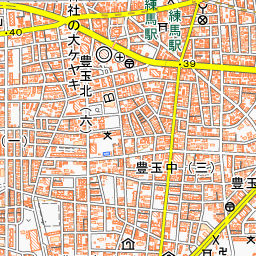
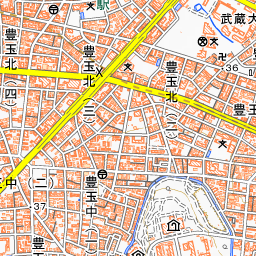
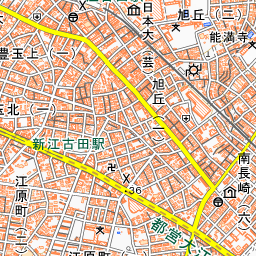
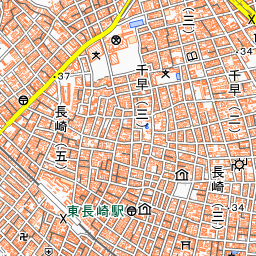
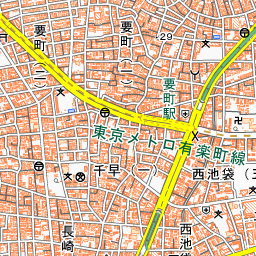
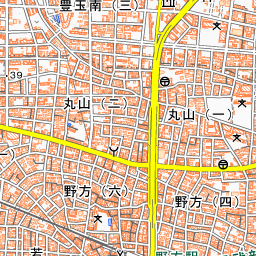


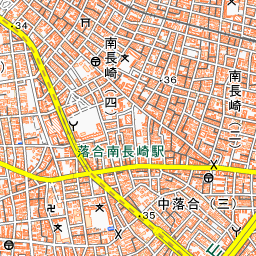
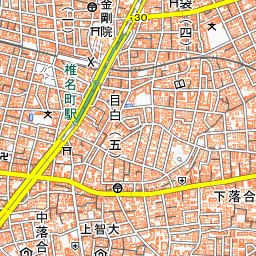
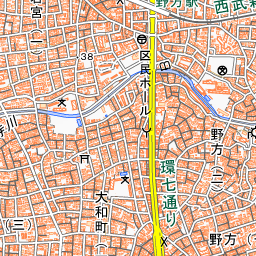
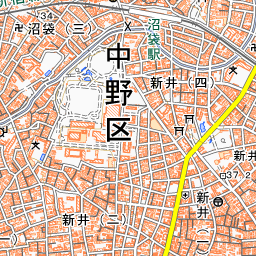
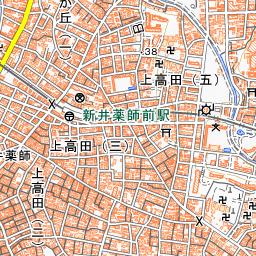


Spot location © OpenStreetMap contributors (ODbL)
Open in Google MapsGuides that include this spot (1)
Use asobot while you walk
- See where you are on the map and find spots nearby
- Listen to the guide's audio in course order, one after another (with subtitles)
- Walk to the next spot while following the map
Open on your phone
Scan to open this spot in asobot on your phone.