
Emperor Showa Memorial Museum
Japanese: 昭和天皇記念館
Tachikawa, Tokyo
This information was written by AI and may contain mistakes. Please check official sources for opening hours, fees, and other details before you go.
Found a mistake? Let us know with “✏️ Something's wrong” on this spot's screen in asobot →
🎧 Audio guide(1:06)
In short
The Emperor Showa Memorial Museum is a memorial museum located inside the Hanamidori Cultural Center in Showa Kinen Park. It exhibits Emperor Showa's biological research—reflecting his love for greenery—along with personal belongings and photographs of Emperor Showa and Empress Kojun. The museum opened in 2005 (Heisei 17), and in 2026 (Reiwa 8), it entered a large-scale renovation to substantially renew its exhibition content as a commemorative project for the centenary of the Showa era.
- Biological Research: Emperor Showa greatly contributed to the development of biology through his taxonomic research on myxomycetes (slime molds), plants, and hydrozoans.
- An 87-Year Life: Looking back on the Showa era, visitors can learn about the 87-year life of Emperor Showa.
- The First Domestically Produced State Car: The museum guide features the "Nissan Prince Royal," developed by Prince Motor Company.
History and Highlights
The Emperor Showa Memorial Museum is located inside the Hanamidori Cultural Center in the Green Culture Zone of Showa Kinen Park. Showa Kinen Park was established as part of the commemorative project marking the 50th anniversary of Emperor Showa's reign. The memorial museum opened on November 27, 2005 (Heisei 17).
On display are materials related to Emperor Showa's biological research, which reflected his love of greenery, as well as personal belongings and photographs of Emperor Showa and Empress Kojun. It is a facility that hopes to allow many people to reflect on the Showa era and learn about his 87-year life.
Emperor Showa developed an interest in biological research from an early age. It is said that the trigger was his study of the relationship between plants and insects in Nasushiobara at the age of 12. He collected specimens throughout his life and contributed significantly to the development of biology, particularly through taxonomic research on myxomycetes, plants, and hydrozoans.
In 2026 (Reiwa 8), a plan was made to substantially revamp the exhibition content as a commemorative project for the centenary of the Showa era, and large-scale renovation work began in June.
Highlights for Viewing and Experiencing
- Recreation of the Biological Laboratory: The museum's exhibition guide presents a recreation of the laboratory from the Seibutsugaku Gokenkyujo inside the Imperial Palace, featuring the actual desk, chair, bookshelves, microscope, and other items used there. An insect specimen that he made himself in 1913 (Taisho 2) is also featured.
- An 87-Year Life: The exhibition guide introduces his life from his birth and early childhood through his peaceful days and eventual passing, divided into eight themes. The actual uniform from the Gakushuin Primary School that he wore and the actual desk used for official duties are also featured.
- The First Domestically Produced State Car: The "Nissan Prince Royal" is the first domestically produced state car, developed by Prince Motor Company. Five vehicles were delivered to the Imperial Household Agency starting in 1967 (Showa 42), and the museum guide notes that one of them is on display. Because Prince Motor Company merged with Nissan Motor Company during its development, it was given this vehicle name.
Tips for Exploring
The Green Culture Zone where the museum is located is in the free area of the park. It is a 13-minute walk from the North Exit of JR Tachikawa Station via the Akebono Gate, and an 11-minute walk from Tachikawa-Kita Station on the Tama Toshi Monorail. There is no parking lot at the museum, so those arriving by car should use the Tachikawa Gate Parking Lot of Showa Kinen Park. The museum is closed during the renovation work. Because the exhibits are also to be renewed, check the museum's opening information and exhibition guide before visiting.
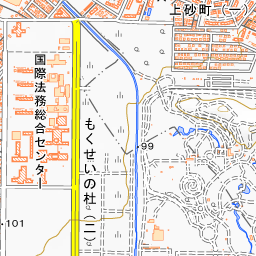
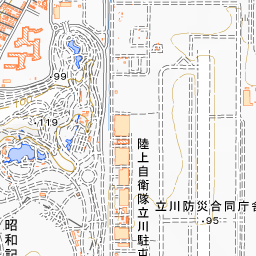
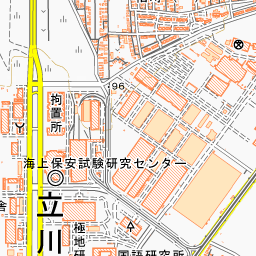
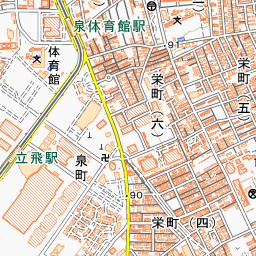
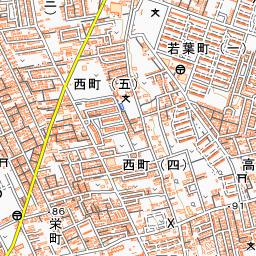
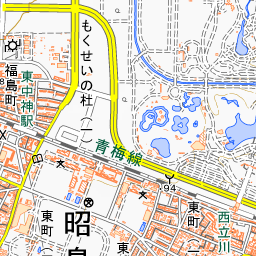
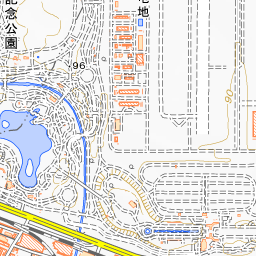
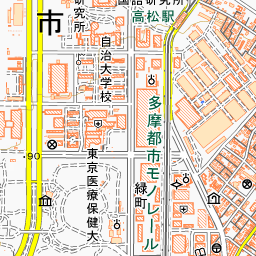
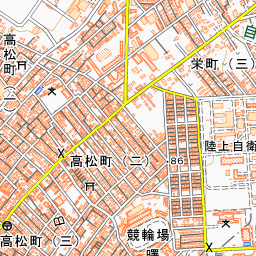
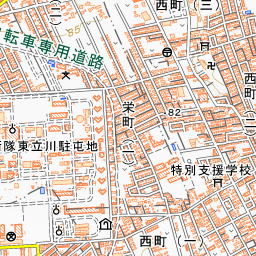
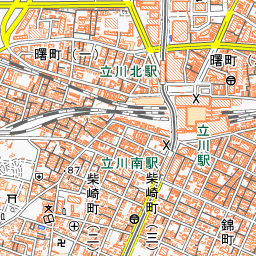
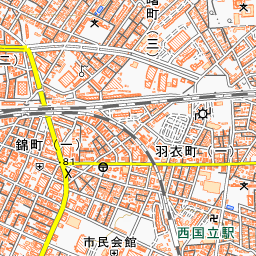
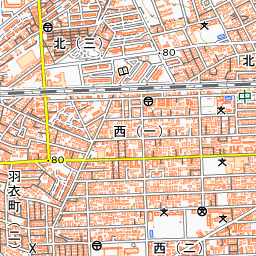
Spot location © OpenStreetMap contributors (ODbL)
Open in Google MapsUse asobot while you walk
- See where you are on the map and find spots nearby
- Listen to the guide's audio in course order, one after another (with subtitles)
- Walk to the next spot while following the map
Open on your phone
Scan to open this spot in asobot on your phone.