 ✨ AI Generated
Hikarigaoka Park
Japanese: 光が丘公園
Nerima City, Tokyo
This information was written by AI and may contain mistakes. Please check official sources for opening hours, fees, and other details before you go.
Found a mistake? Let us know with “✏️ Something's wrong” on this spot's screen in asobot →
🎧 Audio guide(0:59)
In short
Hikarigaoka Park is a Tokyo metropolitan park spanning Nerima and Itabashi wards, with an open area of approximately 60 hectares. During the war, the land served as the Imperial Japanese Army's Narimasu Airfield, and after the war, it became "Grant Heights," a housing complex for US military families. It opened as a park in 1981 (Showa 56). Its highlights are expansive lawns and avenues of large ginkgo trees transplanted from other locations.
- Two Ginkgo Avenues: Lined with ginkgo trees relocated from Grant Heights and from in front of the former Tokyo Metropolitan Government Building in Yurakucho.
- Lawn Square: A gently rolling 6-hectare expanse of lawn, surrounded by large trees that date back to the Grant Heights era.
- Bird Sanctuary: An area of about 2.4 hectares where wild birds and other wildlife can be viewed from an observation blind.
History and Highlights
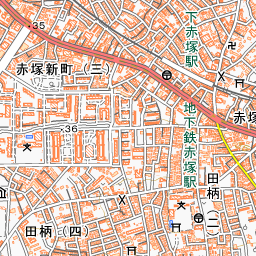
Hikarigaoka Park is a metropolitan park spanning Hikarigaoka and Asahicho in Nerima Ward, as well as Akatsuka-shinmachi in Itabashi Ward. Covering an open area of about 60 hectares, it is the largest park and green space in Nerima Ward.
Plans for the park date back to the Grand Green Space Plan of 1940 (Showa 15), which commemorated the 2,600th anniversary of the founding of Japan. However, with the outbreak of the Pacific War, the army's Narimasu Airfield was built on this site. The trigger was the first air raid on Tokyo on April 18, 1942 (Showa 17), carried out by bombers that took off from an American aircraft carrier. The airfield was built as a base to defend the skies over Tokyo. Another decisive factor in choosing this location was that fighters could reach the skies above the Imperial Palace within three minutes. In October 1943 (Showa 18), fighter aircraft were able to begin takeoffs and landings.
After the war, the airfield was requisitioned by the Allied Forces and became "Grant Heights," a residential area for US Air Force families, in 1948 (Showa 23). Its return was completed in 1973 (Showa 48), and approximately one-third of the total land was turned into a park. Hikarigaoka Park officially opened on December 26, 1981 (Showa 56).
Viewing and Experience Highlights
- Two Ginkgo Avenues: The ginkgo tree-lined path in the center of the park, situated between the concession stand and the viewing pond, was created by transplanting 28 ginkgo trees that originally stood in Grant Heights. Another path, "Fureai no Michi," features 40 giant ginkgo trees that are over 100 years old. These were formerly roadside trees in front of the old Tokyo Metropolitan Government Building in Yurakucho, and were relocated here because they obstructed construction work on the Keiyo Line.
- Lawn Square: Spanning 6 hectares, this entire grassy area consists of gently rolling hills. The surrounding woods were created by relocating large trees from the Grant Heights era, including deodar cedars, cherry trees, and ginkgoes.
- Bird Sanctuary: Set across an area of about 2.4 hectares, it features a pond, pebble beach, wooded grove, and grassland. Visitors can observe the behavior of wild birds and various other living creatures from the observation blind.
Tips for Exploring
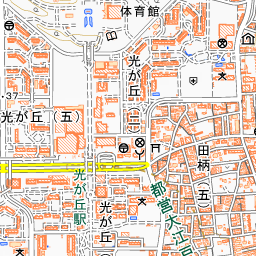
It is about an 8-minute walk from Hikarigaoka Station on the Toei Oedo Line. The park's symbol is the "Arch of Light," a monument approximately 11 meters tall erected in 1987 (Showa 62). At the "Yashiki-mori Site," where farming life was carried on for more than 300 years, you can see large trees such as muku trees. In spring, yellow flowers bloom in the natural habitat of the Kanto dandelion. In autumn, enjoy a walk comparing the yellow foliage of the two ginkgo avenues.
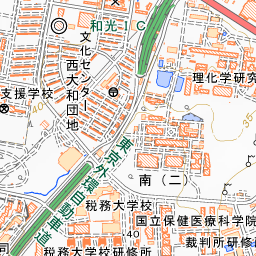
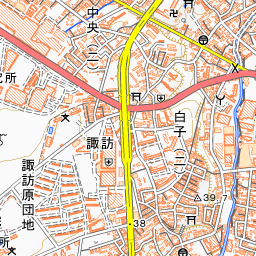
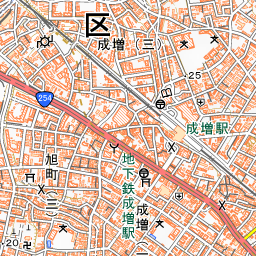
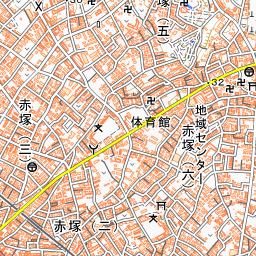
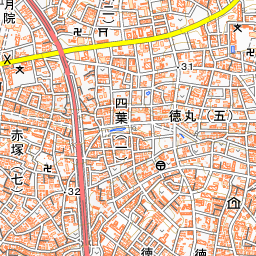
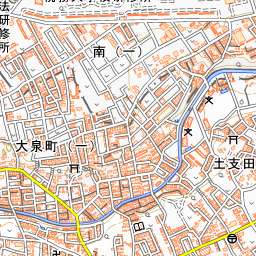
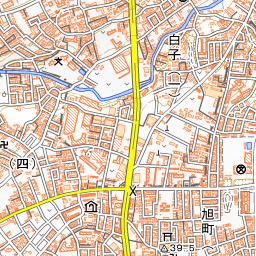
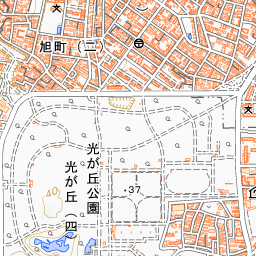

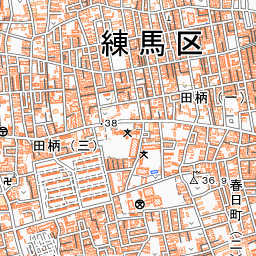
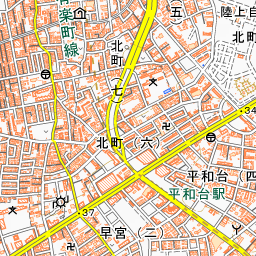
Spot location © OpenStreetMap contributors (ODbL)
Open in Google MapsUse asobot while you walk
- See where you are on the map and find spots nearby
- Listen to the guide's audio in course order, one after another (with subtitles)
- Walk to the next spot while following the map
Open on your phone
Scan to open this spot in asobot on your phone.