 ✨ AI Generated
Shoren-in Temple
Japanese: 青蓮院
Higashiyama Ward, Kyoto
This information was written by AI and may contain mistakes. Please check official sources for opening hours, fees, and other details before you go.
Found a mistake? Let us know with “✏️ Something's wrong” on this spot's screen in asobot →
🎧 Audio guide(1:04)
In short
One of the Gokashitsu Monzeki temples of the Tendai sect in Kyoto, with the formal name Shoren-in Monzeki. In the late Heian period, Cloistered Emperor Toba became a devoted follower of Gyogen of Shoren-bo and had his son, an imperial prince, become Gyogen's disciple; the temple's history as a monzeki temple began when palace buildings were constructed in Kyoto and the name was changed to Shoren-in. It is also known as Awata Gosho, and its precinct is designated as a national Historic Site as the "Former Temporary Imperial Palace of Shoren-in."
- Gardens of Soami and Kobori Enshu: There is the main garden, a pond-strolling garden centered on Ryushin-ike Pond and said to be the work of Soami, and the "Kirishima Garden," said to be the work of Kobori Enshu
- Fusuma Paintings in the Halls: The Shinden Hall and the Kogosho are adorned with graceful fusuma (sliding door) paintings by the Kano school. In Kachoden Hall, visitors can view vividly colored fusuma paintings of lotuses created with acrylic paint by Kimura Hideki
- Giant Camphor Trees in Front of the Gate: The giant camphor trees standing in front of the gate are Registered Natural Monuments of Kyoto City, with the tallest reaching around 26 meters
History and Highlights
Shoren-in Temple is one of the Gokashitsu Monzeki temples belonging to the Tendai sect in Kyoto, and its official name is Shoren-in Monzeki. From ancient times, it has also been known as one of the three monzeki temples of Enryaku-ji Temple on Mt. Hiei. Its origin is said to be Shoren-bo, one of the monks' residences established by Denkyo Daishi Saicho on the summit of Mt. Hiei. In the late Heian period, Cloistered Emperor Toba became a devoted follower of Gyogen, the 12th head of Shoren-bo, and had his son, an imperial prince, become Gyogen's disciple. The temple's history as a monzeki temple began when palace buildings were constructed in Kyoto and named Shoren-in Temple. Until the Meiji period, the head priests were almost exclusively members of the imperial family or sons of the Go-sekke (five regent families).
Shinran, the founder of Jodo Shinshu, is said to have entered the Buddhist priesthood here at the age of nine under the third head priest, Jien, making Shoren-in Temple one of the sacred sites of Jodo Shinshu. When the Imperial Palace burned down in a great fire in 1788 (the 8th year of the Tenmei era), the temple served as a temporary imperial palace for Retired Empress Go-Sakuramachi. It is also known as Awata Gosho, and its precinct is designated as a national Historic Site as the "Former Temporary Imperial Palace of Shoren-in." It also possesses the National Treasure Blue Fudo Myo-o, one of Japan's three great Fudo images, which is enshrined at the Shogunzuka Seiryuden Hall in its detached precinct on the summit of Higashiyama.
Viewing and Experience Highlights
- Gardens of Soami and Kobori Enshu: The main garden is said to be the work of Soami from the Muromachi period. It is a pond-strolling garden centered on Ryushin-ike Pond, using Mt. Awata as a borrowed landscape. To the east of Kachoden Hall lies the "Kirishima Garden," said to be designed by Kobori Enshu of the Edo period, featuring ancient Kirishima azalea shrubs. Visitors can enjoy the distinct beauty of each of the four seasons while strolling through the gardens.
- Fusuma Paintings in the Halls: The Shinden Hall and the Kogosho are adorned with graceful fusuma (sliding door) paintings by the Kano school. In Kachoden Hall, visitors can view vividly colored fusuma paintings of lotuses created with acrylic paint by artist Kimura Hideki.
- Giant Camphor Trees in Front of the Gate: The giant camphor trees standing in front of the gate are designated as Registered Natural Monuments of Kyoto City. They are believed to have been planted in the 13th century or later, when Shoren-in Temple relocated to its current site, with the tallest reaching around 26 meters.
Walking Tips
Located about a 5-minute walk from Higashiyama Station on the Subway Tozai Line and about a 3-minute walk from the Jingumichi city bus stop, the temple is easily recognized by the giant camphor trees in front of the gate. It sits immediately north of Chion-in Temple and is about a 10-minute walk from both Yasaka-jinja Shrine and Maruyama Park, making it an ideal destination to visit together with them. If you travel further to the Shogunzuka Seiryuden Hall atop Higashiyama, you can enjoy a panoramic view of the Kyoto cityscape.
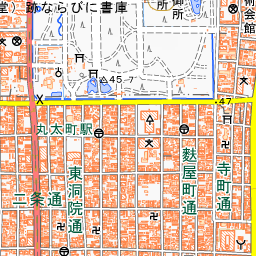


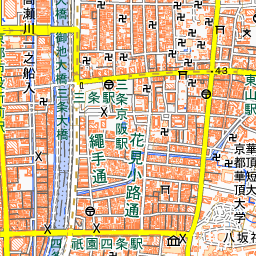


Spot location © OpenStreetMap contributors (ODbL)
Open in Google MapsGuides that include this spot (1)
Use asobot while you walk
- See where you are on the map and find spots nearby
- Listen to the guide's audio in course order, one after another (with subtitles)
- Walk to the next spot while following the map
Open on your phone
Scan to open this spot in asobot on your phone.