 ✨ AI Generated
Tokyo Sea Life Park
Japanese: 葛西臨海水族園
Edogawa City, Tokyo
This information was written by AI and may contain mistakes. Please check official sources for opening hours, fees, and other details before you go.
Found a mistake? Let us know with “✏️ Something's wrong” on this spot's screen in asobot →
🎧 Audio guide(1:06)
In short
Tokyo Sea Life Park is a metropolitan aquarium located inside Kasai Rinkai Park, opened in 1989. Here, visitors can encounter over 500 species of marine and aquatic life from around the world and local waters. The glass dome at the entrance is an eye-catching feature.
- Voyagers of the Ocean: Tuna: A large, donut-shaped tank holding 2,200 cubic meters of water. It was the first in the world to successfully display a school of bluefin tuna. Today, the school is gradually getting smaller.
- Penguin Ecology: One of Japan's largest penguin exhibits, home to more than 100 penguins swimming about.
- Seas of the World and Seas of Tokyo: Exhibits creatures gathered from across the globe alongside aquatic life from waters spanning Tokyo Bay to the Ogasawara Islands.
History and Highlights
Tokyo Sea Life Park is a metropolitan aquarium located inside Kasai Rinkai Park where visitors can meet over 500 species of marine and aquatic creatures from around the globe and local waters. Planned in commemoration of the 100th anniversary of Ueno Zoo, it opened on October 10, 1989. On opening day, more than 23,000 visitors arrived, and admissions had to be cut off at 3:00 p.m. due to overcrowding. Aiming to serve as a "place of interaction between humans and the sea," one of its defining features is that it is called a "suizokuen" (aquatic park/garden) rather than a conventional "suizokukan" (aquarium).
Its origins trace back to "Uonozoki," Japan's first public aquarium, established inside the Ueno zoo grounds in 1882.
The building was designed by Taniguchi Yoshio of Taniguchi and Associates. The octagonal glass dome is large enough to be seen from anywhere in the park, serving as the symbol of the aquarium. The building's entrance is located on the third floor, and the tour begins by descending an escalator.
The greatest highlight is the massive tank that realized the world's first display of schooling bluefin tuna. In 1999, it also achieved the world's first successful spawning of bluefin tuna inside an aquarium tank. Currently, because the park is considering how to move the bluefin tuna to the new aquarium, no new tuna are being added, and the school is gradually getting smaller. Note that no marine mammals, such as dolphins, are kept here.
Viewing and Experience Tips
- Voyagers of the Ocean: Tuna: A large donut-shaped tank where bluefin tuna swim in schools. With a water volume of 2,200 cubic meters, it was among the largest in Japan at the time of construction. The exhibit aims to make visitors feel as though they are watching the school of large migratory fish from underwater.
- Penguin Ecology: One of Japan's largest penguin display areas, where over 100 penguins swim around actively. They can be observed from both underwater and land vantage points. In 1991, the park became the first in Japan to begin exhibiting little penguins (fairy penguins).
- Seas of the World and Seas of Tokyo: The "Seas of the World" area features a wide variety of creatures gathered from regions across the globe. The "Seas of Tokyo" area exhibits life from waters extending from Tokyo Bay to the Ogasawara Islands. Mudskippers inhabiting tidal flats are also introduced.
Walking Tips
It is a 5-minute walk from Kasai-Rinkai-koen Station on the JR Keiyo Line.
The entrance escalator is narrow and cannot accommodate strollers or wheelchairs. Accessible routes for wheelchairs and strollers are indicated on the official park map.
The Tokyo Metropolitan Government is currently advancing renewal works aimed at opening a new facility in September 2028. The current main building is slated to be preserved even after the new opening.
After visiting, take a stroll to the Crystal View observatory building in Kasai Rinkai Park, also designed by Taniguchi Yoshio, or the Diamond and Flower Ferris Wheel. Crossing Kasai Nagisa Bridge will take you to the West Beach (Nishi-nagisa) of Kasai Marine Park.
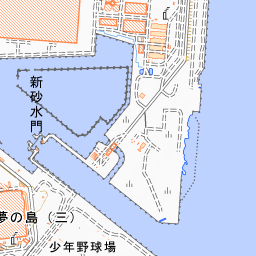
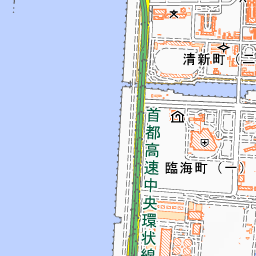
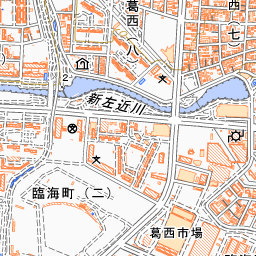
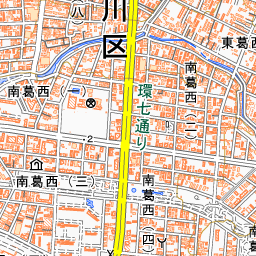
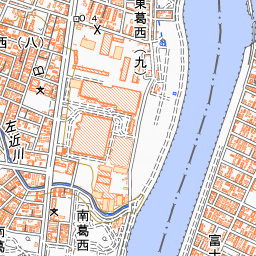
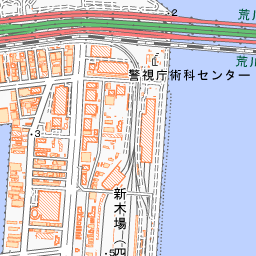
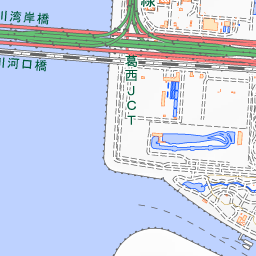
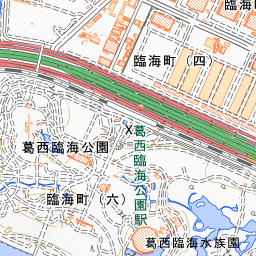


Spot location © OpenStreetMap contributors (ODbL)
Open in Google MapsGuides that include this spot (1)
Use asobot while you walk
- See where you are on the map and find spots nearby
- Listen to the guide's audio in course order, one after another (with subtitles)
- Walk to the next spot while following the map
Open on your phone
Scan to open this spot in asobot on your phone.