 ✨ AI Generated
Mt. Inunaki Shipporyu-ji Temple
Japanese: 犬鳴山 七宝瀧寺
Izumisano, Osaka
This information was written by AI and may contain mistakes. Please check official sources for opening hours, fees, and other details before you go.
Found a mistake? Let us know with “✏️ Something's wrong” on this spot's screen in asobot →
🎧 Audio guide(1:13)
In short
The head temple of the Inunaki sect of Shingon Buddhism, located on Mt. Inunaki in Izumisano City. According to temple tradition, it was founded in 661 (the 7th year of Emperor Saimei's reign) by En no Gyoja, and because it was established six years earlier than Mt. Omine in Yamato, it is also called "Moto-Sanjo." The entire mountain serves as a major training ground for Shugendo, and even today, many practitioners visit to undergo training.
- Gyoja-no-taki and Nyonin Omine: At the "Gyoja-no-taki" waterfall within the grounds, visitors from all over the country continuously arrive throughout the year for purification rituals and ascetic training. Because women can also participate in the training, it is also called "Nyonin Omine" (Women's Omine), and there is also a one-day ascetic training experience that requires advance application. Entering the waterfall on one's own is not permitted
- Seven Waterfalls Enshrining the Seven Lucky Gods: It is said that Kobo Daishi enshrined the Seven Lucky Gods at the seven waterfalls in the mountain. The "San'nai Nijuhasshuku," which tours the mountain's training grounds, waterfalls, rocks, and halls, is also arranged
- Legend of the Loyal Dog and the Seasonal Ravine: The name Mt. Inunaki carries the legend of a loyal dog that saved its master's life from a giant serpent, and the grave of the loyal dog is located along the path leading to the temple. The ravine created by primeval forest and 48 large and small waterfalls has been selected as one of the "100 Best Greenery Views in Osaka," and each season has its own charm, with wild mountain cherries in spring, kajika frogs in summer, and autumn foliage in fall
History and Highlights
Shipporyu-ji Temple is the head temple of the Inunaki sect of Shingon Buddhism, located on Mt. Inunaki in Izumisano City. The entire mountain serves as a major training ground for Shugendo, and even today, many practitioners visit to undergo training.
According to temple tradition, it was founded in 661 (the 7th year of Emperor Saimei's reign) by En no Gyoja, who is regarded as the founder of Shugendo. Because it was established six years earlier than Mt. Omine in Yamato, it is also called "Moto-Sanjo." The principal image is Kurikara Dairyu Fudo Myo-o, said to have appeared at the time of the temple's founding, depicted as a dragon coiling around a sword. During the reign of Emperor Junna, when prayers for rain were offered on this mountain amid a severe drought, rain fell; it is said that the Emperor named the temple Shipporyu-ji after the mountain's renowned seven waterfalls, likening them to the seven treasures (shippo) such as gold and silver.
The name Mt. Inunaki has a legend of a loyal dog. In 890 (Kanpyo 2), a hunter chasing deer on the mountain was being targeted by a giant serpent. Because the hunter's dog barked fiercely and caused the quarry to escape, the hunter angrily struck the dog with his sword, but the dog lunged at the serpent and saved its master's life. It is handed down that Emperor Uda, upon hearing this story, bestowed the name "Mt. Inunaki" (literally, "howling dog mountain") upon the mountain.
In 1585 (Tensho 13), the main hall and other structures were burned down during Toyotomi Hideyoshi's military campaign, but were later rebuilt.
Sights and Experiences
- Gyoja-no-taki and Nyonin Omine: At the "Gyoja-no-taki" waterfall within the grounds, visitors from all over the country continuously arrive throughout the year for purification rituals and ascetic training. Because women can also participate in training at Mt. Inunaki, it is also referred to as "Nyonin Omine" (Women's Omine), in contrast to Mt. Omine, which is closed to women. In the one-day ascetic training experience, which requires advance application, participants tour the sacred practice sites and then undergo waterfall training at Gyoja-no-taki. Entering the waterfall on one's own without permission is not permitted.
- Seven Waterfalls Enshrining the Seven Lucky Gods: It is said that Kobo Daishi enshrined the Seven Lucky Gods at the seven waterfalls in the mountain, and these falls are regarded as places where one can receive the spiritual energy of the Seven Lucky Gods and Fudo Myo-o. The "San'nai Nijuhasshuku" (28 stations within the mountain), which tours the mountain's training grounds, waterfalls, rocks, and halls, is also arranged.
- Tomb of the Loyal Dog and Seasonal Ravine: The grave of the loyal dog is located along the path leading to the temple. The area surrounding the temple is known for its ravine created by primeval forest and 48 large and small waterfalls, offering seasonal charms with wild mountain cherries in spring, kajika frogs in summer, and autumn foliage in fall. The ravine's scenery has also been selected as one of the "100 Best Greenery Views in Osaka."
Tips for Exploring
From Izumisano Station on the Nankai Main Line or Hineno Station on the JR Hanwa Line, take the Nankai Wing Bus bound for Mt. Inunaki and get off at the final stop, "Inunakisan." From there, walk up the approach for about 1 kilometer to reach the main hall. Be sure to wear comfortable walking shoes. A hot spring town lies along the mountain stream at the foot of the mountain, where you can take a break after worshipping. In the Ogi District, about 2.1 kilometers northwest, rural landscapes of the Hine-no-sho Estate remain, and it is also passed down that villagers prayed at this temple when it did not rain.

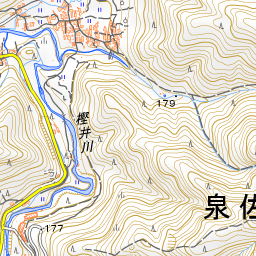

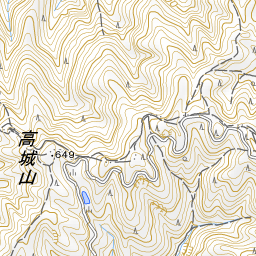
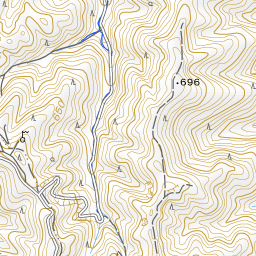


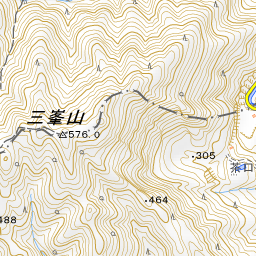


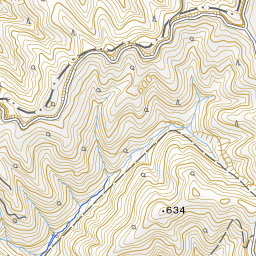
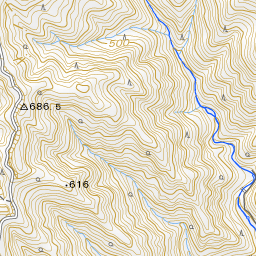
Spot location © OpenStreetMap contributors (ODbL)
Open in Google MapsGuides that include this spot (1)
Use asobot while you walk
- See where you are on the map and find spots nearby
- Listen to the guide's audio in course order, one after another (with subtitles)
- Walk to the next spot while following the map
Open on your phone
Scan to open this spot in asobot on your phone.