 ✨ AI Generated
Yabo Tenmangu Shrine
Japanese: 谷保天満宮
Kunitachi, Tokyo
This information was written by AI and may contain mistakes. Please check official sources for opening hours, fees, and other details before you go.
Found a mistake? Let us know with “✏️ Something's wrong” on this spot's screen in asobot →
🎧 Audio guide(1:02)
In short
Yabo Tenmangu Shrine is a shrine in Kunitachi that enshrines Sugawara no Michizane and his third son, Michitake. Said to have originated in 903, it is regarded as the oldest Tenmangu shrine in eastern Japan and is counted as one of the Three Great Tenjin Shrines of the Kanto Region, alongside Yushima Tenjin and Kameido Tenjin. It is also considered the "birthplace of traffic safety prayers."
- Sacred Forest and South-Facing Shrine Buildings: You reach the shrine buildings by passing through a forest designated as a Natural Monument of Tokyo. The shrine buildings face south because they once faced the old Koshu Kaido road.
- Plum Grove: Plum trees, deeply associated with the Tenjin deity, are planted here, with red and white blossoms blooming in early spring. A monument commemorating Japan's first automobile drive tour also stands on the grounds.
- Benten Pond and Hydrangea Garden: Located on the south side of the grounds is Benten Pond, in the center of which Itsukushima Shrine is enshrined. The surrounding hydrangea garden blooms in early summer.
History and Highlights
Yabo Tenmangu Shrine is a shrine that enshrines Sugawara no Michizane and his third son, Michitake. While the station name is read "Yaho," the shrine's name is pronounced with a voiced consonant as "Yabo." It is also said to be the origin of the Japanese word "yaboten" (meaning boorish or unrefined).
According to the shrine's history, when Michizane was demoted to Dazaifu in 901, Michitake was exiled to present-day Yaho in Kunitachi. Its origin dates back to 903, when Michitake, upon receiving news of his father's death, carved Michizane's likeness and enshrined it. As the oldest Tenmangu shrine in eastern Japan, it is considered one of the Three Great Tenjin Shrines of the Kanto Region, alongside Yushima Tenjin and Kameido Tenjin.
The shrine buildings were originally located near what is now the Kunitachi-Fuchu Interchange. It is said that in 1181, Michitake's descendant, Tsunoto no Saburo Tamemori, moved them to the current location.
The current haiden (worship hall) is believed to have been built in 1851, the fourth year of the Kaei era. The honden (main hall) is built in the nagare-zukuri style, and investigations have revealed that it was once adorned with rich, polychromatic colors.
On August 1, 1908 (the 41st year of the Meiji era), the "Tonorikai" excursion was held, led by Prince Arisugawa Takehito. This was Japan's first automobile drive tour, with this shrine as its destination. The party returned to Tokyo without any breakdowns or accidents, and the shrine considers this the historical origin of traffic safety prayers.
Sights and Experience Highlights
- South-Facing Shrine Buildings and the Sacred Forest: Until around the 17th century, the Koshu Kaido road ran beneath the terrace cliff. For this reason, the shrine buildings face the road toward the south. Today, this forest, designated as a Natural Monument of Tokyo, mainly consists of keyaki (zelkova), mukunoki (Aphananthe aspera), and enoki (hackberry), and rich spring water flows through it.
- Plum Grove and Benten Pond: In the plum grove, white and red plum trees, closely associated with Tenjin, are planted and bloom in early spring. A monument to Prince Arisugawa also stands here. In Benten Pond on the south side of the grounds, Itsukushima Shrine is enshrined at the center, while the surrounding hydrangea garden adds color in early summer.
- Lion-Dogs and Plaque in the Treasure House: Inside the treasure house on the second floor of the shrine office, there are two National Important Cultural Properties. The Kamakura-period wooden shishi-komainu are a pair consisting of a golden lion and a silver komainu. On the back of the framed plaque (hengaku) inscribed with the characters for "Tenmangu," there is an inscription dated 1275 (the first year of the Kenji era). Public viewing dates are limited.
Walking Tips
It is a 3-minute walk from Yaho Station on the JR Nambu Line. Visitors pass through the sacred forest from the side of the station and the Koshu Kaido road to reach the shrine buildings.
There are statues of reclining cattle at two locations within the grounds. These statues relate to the legend that the ox pulling the cart carrying Michizane's remains stopped moving along the way.
The annual grand festival takes place on September 25, during which an ancient lion dance is performed with lion masks adorned with the long tail feathers of totenko roosters. The Okagarabi bonfire on November 3 is said to have originated when wood remaining from the relocation of the shrine in 1181 was burned before the deity.
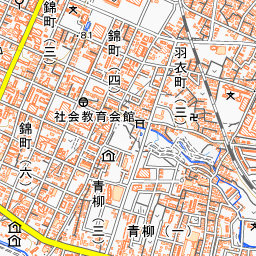
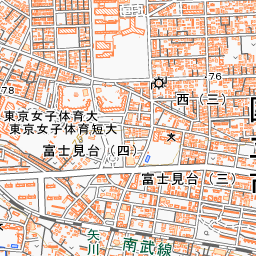
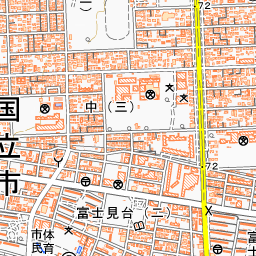
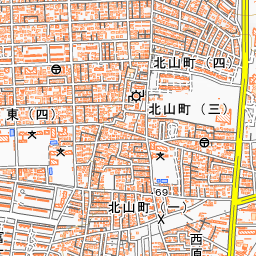
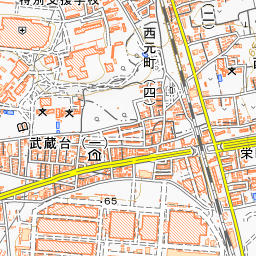
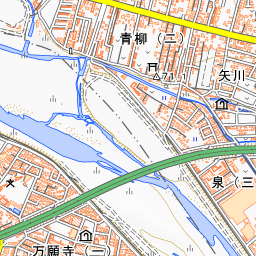
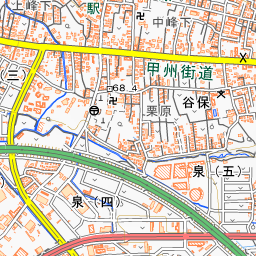
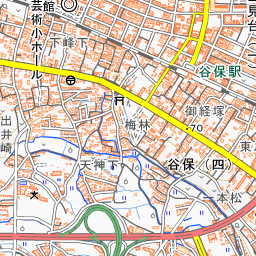
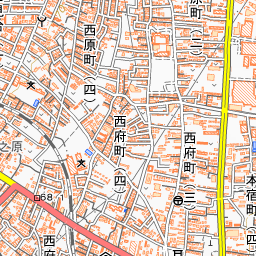
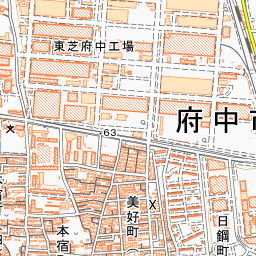
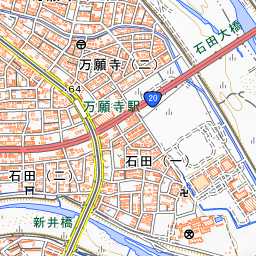
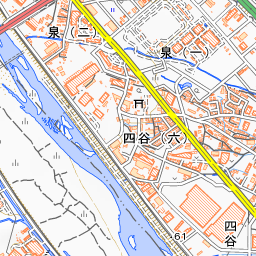

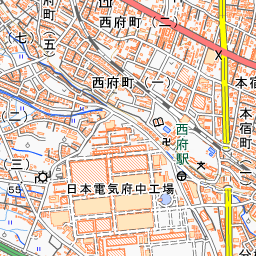
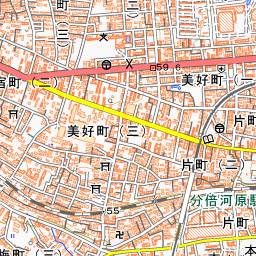
Spot location © OpenStreetMap contributors (ODbL)
Open in Google MapsUse asobot while you walk
- See where you are on the map and find spots nearby
- Listen to the guide's audio in course order, one after another (with subtitles)
- Walk to the next spot while following the map
Open on your phone
Scan to open this spot in asobot on your phone.