 ✨ AI Generated
Musashi Kokufu Site
Japanese: 武蔵国府跡
Fuchu, Tokyo
This information was written by AI and may contain mistakes. Please check official sources for opening hours, fees, and other details before you go.
Found a mistake? Let us know with “✏️ Something's wrong” on this spot's screen in asobot →
🎧 Audio guide(0:58)
In short
The Musashi Kokufu Site is a National Historic Site containing the remains of the kokuga (provincial government office), the administrative heart of Musashi Province during the Nara and Heian periods. Located to the east of Okunitama-jinja Shrine, a portion of the building remains has been reconstructed and opened as a viewing facility. Musashi Province encompassed almost all of modern-day Saitama Prefecture and Tokyo, as well as Kawasaki City and most of Yokohama City, except Totsuka, Seya and some other wards, in Kanagawa Prefecture.
- Vermilion pillars: Standing beside the exhibition facility, these indicate the positions of the building pillars uncovered during excavations. Vermilion circles are also painted on the road next to the historic site.
- Mirror-glass exhibition facility: The pillars and mirror glass reflect the scale of the buildings of that era.
- Origin of "Fuchu": The name of the city comes from the phrase "inside the kokufu (provincial capital)."
History & Highlights
The Musashi Kokufu Site preserves the remains of the kokuga, which was the center of Musashi Province's government during the Nara and Heian periods. The kokuga was an administrative complex equivalent to a modern prefectural government office. Regional officials called kokushi were dispatched here to conduct governmental affairs. The city name "Fuchu" also comes from the phrase "inside the provincial capital." Musashi Province once spanned almost all of present-day Saitama Prefecture and Tokyo, along with Kawasaki City and most of Yokohama City, except Totsuka, Seya and some other wards, in Kanagawa Prefecture. Situated on the east side of Okunitama-jinja Shrine, parts of the building foundations have been reconstructed and opened as a public viewing facility.
Fuchu City has conducted archaeological excavations here since 1975 (Showa 50). These investigations revealed that a large compound measuring about 300 meters north to south, centered around this location, was once surrounded by ditches. Within it, the remains of an orderly layout of large-scale buildings have been unearthed.
This cluster of buildings was constructed around the first half of the 8th century. It is estimated that the architecture changed from embedded wooden pillars (hottatebashira) to stone foundations (sosekidachi) in the mid-8th century, and that the site ceased its function toward the end of the 10th century. The building on the north side, oriented east-west, was of a scale rivaling the main halls (seiden) of provincial offices across Japan.
The excavated artifacts also feature unique characteristics. Roof tiles and floor bricks (sen) have been found bearing the names of 19 of the 21 districts of ancient Musashi Province.
This site was designated a National Historic Site in 2009 (Heisei 21). In 2011 (Heisei 23), the Kokushi no Tachi area, where the residence of the provincial governor was discovered, was added to the designation.
Highlights of the Experience
- Vermilion pillars: Vermilion pillars stand next to the exhibition facility to indicate the locations of the original building pillars found during excavations. Look down at your feet as well; vermilion circles are also marked on the road beside the historic site.
- Mirror-glass exhibition facility: The installed pillars combined with the exhibition facility's mirror glass convey the scale of the structures from that time. Inside the facility, panels explain the archaeological excavations.
- Kokushi no Tachi and Ieyasu Goten Historic Site Plaza: Another area of the same historic site, located in front of Fuchuhonmachi Station a short walk to the southwest. Here, visitors can see a 1/10-scale reconstruction model of the Kokushi no Tachi (governor's residence) and full-scale reconstructed pillars.
Walking Tips
The site is a 7-minute walk from Fuchuhonmachi Station on the JR Nambu and Musashino Lines, or from Fuchu Station on the Keio Line. As there are steps at the front entrance, wheelchair users should use the slope.
If you walk along the Baba Daimon Zelkova Avenue, pay your respects at Okunitama-jinja Shrine, and then head east, you will arrive at the site in about 3 minutes on foot.
If you wish to learn more about the excavation findings, visit the Furusato Fuchu History Museum located within the National Historic Site. It introduces the city's history and culture, centered on the ancient provincial capital.
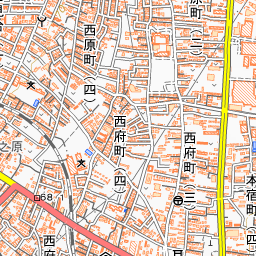
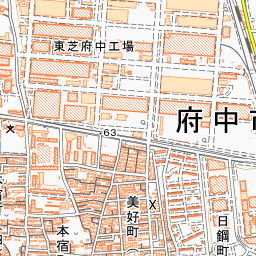
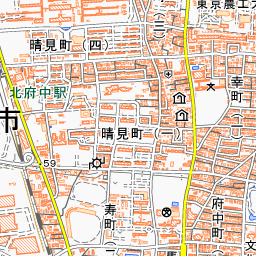
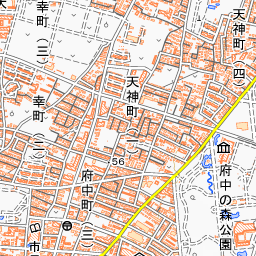
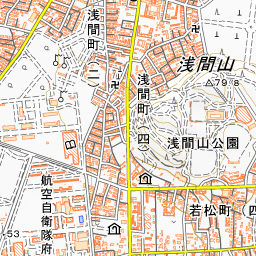
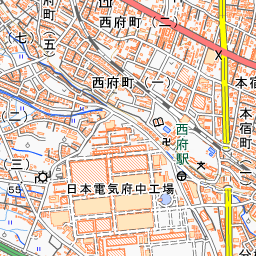
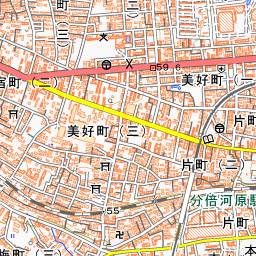
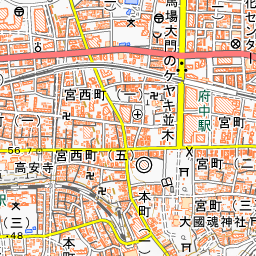
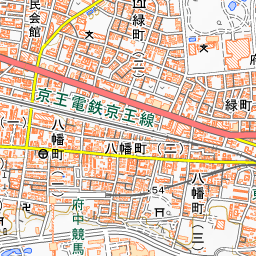
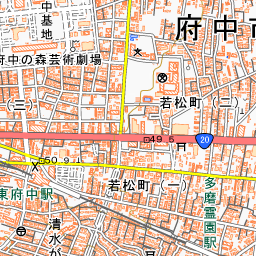

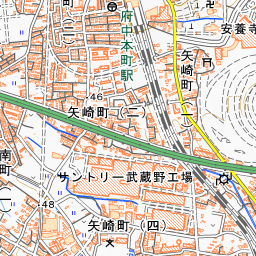
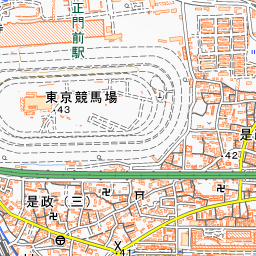
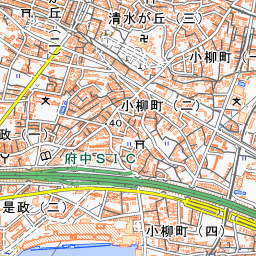
Spot location © OpenStreetMap contributors (ODbL)
Open in Google MapsGuides that include this spot (1)
Use asobot while you walk
- See where you are on the map and find spots nearby
- Listen to the guide's audio in course order, one after another (with subtitles)
- Walk to the next spot while following the map
Open on your phone
Scan to open this spot in asobot on your phone.