 ✨ AI Generated
Shibamata Taishakuten Temple
Japanese: 柴又帝釈天
Katsushika City, Tokyo
This information was written by AI and may contain mistakes. Please check official sources for opening hours, fees, and other details before you go.
Found a mistake? Let us know with “✏️ Something's wrong” on this spot's screen in asobot →
🎧 Audio guide(1:10)
In short
Shibamata Taishakuten Temple is a Nichiren sect Buddhist temple whose official name is Kyoeizan Daikyo-ji Temple. It is said to have been founded in 1629. Decorated with magnificent carvings, it is also known as the "Temple of Carving." Its fair day is the Day of Koshin, and it is also known as the setting for the film series Otoko wa Tsurai yo.
- Nitenmon Gate: A two-story tower gate at the entrance to the temple, completed in 1896. Said to be modeled after the Yomeimon Gate of Nikko Toshogu Shrine, it is richly decorated with wood carvings.
- Carvings of the Taishakudo Hall: The Taishakudo is the largest hall on the grounds, enshrining the ita-honzon (wooden main image). Its inner sanctum's outer walls feature carvings based on stories from the Lotus Sutra.
- Suikei-en Garden: A garden located behind the Soshido Hall. Connected by a sheltered corridor, it can be enjoyed regardless of the weather.
History and Highlights
Shibamata Taishakuten Temple is a Nichiren sect Buddhist temple officially named Kyoeizan Daikyo-ji Temple. It is said to have been founded in 1629 (Kan'ei 6).
Its beginnings are said to lie with the "Zuiryu no Matsu" pine tree on the grounds. According to tradition, fresh spring water once welled up at the base of this pine, which led to a hermitage being built here. Even today, passing through Nitenmon Gate brings this pine tree and the Taishakudo Hall into view directly ahead.
The event that brought popularity to the temple was the discovery in 1779 (An'ei 8) of the ita-honzon, whose whereabouts had become unknown. The wooden relief bears an image of Taishakuten said to have been carved by the sect's founder, Nichiren, himself. As the day it was found was said to be the Day of Koshin, Koshin days became the temple's fair days. As a popular temple (hayari-dera) near Edo, it drew many visitors on Koshin days, and the preceding evening, known as "Yoi-Koshin," was particularly lively. Even today, the ita-honzon is unveiled to the public on Koshin fair days.
It is also known as the setting for the movie Otoko wa Tsurai yo.
Viewing and Experience Points
- Nitenmon Gate: The two-story tower gate at the temple entrance stands at the end of the approach. It was completed in 1896 (Meiji 29). Said to be modeled after the Yomeimon Gate of Nikko Toshogu Shrine, it is constructed entirely of keyaki (Japanese zelkova) wood. Facing from the approach, Zochoten is enshrined on the right, and Komokuten on the left.
- Taishakudo Hall and Carvings: The Taishakudo is the largest hall on the grounds, enshrining the ita-honzon. The temple is also called the "Temple of Carving." The carvings on the outer walls of the inner sanctum are themed around stories from the Lotus Sutra. In 1922 (Taisho 11), master craftsman Kato Toranosuke completed the first panel, followed by other master woodcarvers from Tokyo. Although a fire during the Great Kanto Earthquake destroyed some of the carving wood, all the panels were completed in 1934 (Showa 9).
- Daikyakuden (Great Guest Hall) and Suikei-en Garden: Behind the Soshido Hall stand the Daikyakuden, built entirely of Japanese cypress (hinoki), and the garden known as "Suikei-en Garden." Because the garden is connected by a covered corridor, it can be viewed regardless of the weather. Viewing it from different angles along the corridor that surrounds the garden is also an enjoyable experience. Carp swim in the large pond.
Walking Tips
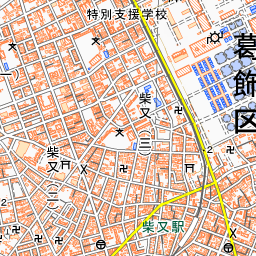
Walking from Keisei Shibamata Station along the Taishakuten Sando Approach brings you to Nitenmon Gate at the end. Details about the shops along the approach are left to the guide for the Taishakuten Sando Approach.
Once through the gate, look up at the Zuiryu no Matsu pine tree and the Taishakudo Hall directly in front of you. On the grounds, there is also the goshinsui (sacred water) said to have been used for Tora-san's first bath at birth. After viewing the carvings at the Taishakudo, cross the corridor to proceed to Suikei-en Garden.
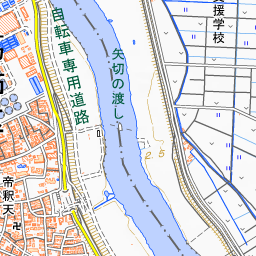
Yamamototei is located approximately 120 meters east-southeast, and the Katsushika Shibamata Tora-san Museum is about 210 meters southeast. Continuing about 390 meters east-northeast brings you to the Yagiri Ferry on the Edogawa River. You can easily visit them in one continuous walk.
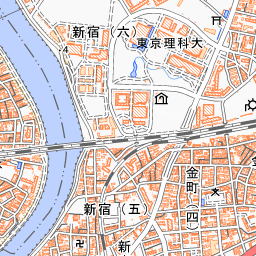
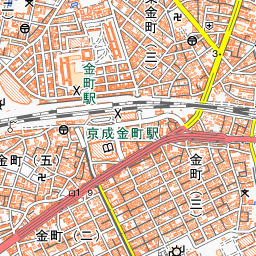
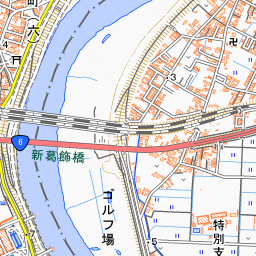
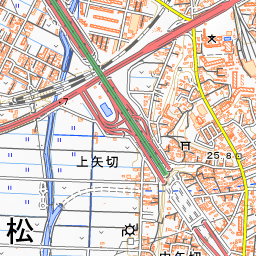
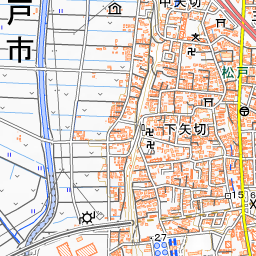
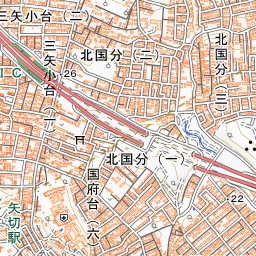
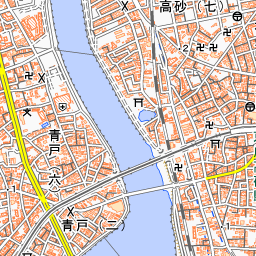
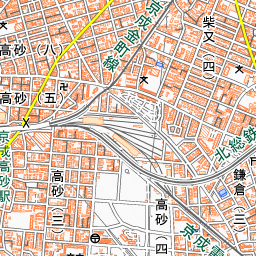
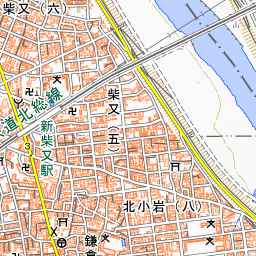


Spot location © OpenStreetMap contributors (ODbL)
Open in Google MapsGuides that include this spot (1)
Use asobot while you walk
- See where you are on the map and find spots nearby
- Listen to the guide's audio in course order, one after another (with subtitles)
- Walk to the next spot while following the map
Open on your phone
Scan to open this spot in asobot on your phone.