 ✨ AI Generated
Koriyama Goldfish Museum
Japanese: 郡山金魚資料館
Yamatokoriyama, Nara
This information was written by AI and may contain mistakes. Please check official sources for opening hours, fees, and other details before you go.
Found a mistake? Let us know with “✏️ Something's wrong” on this spot's screen in asobot →
🎧 Audio guide(0:57)
In short
Koriyama Goldfish Museum is a private museum operated by Yamato Kingyoen, a business engaged in goldfish breeding. It opened in 1982 in Yamatokoriyama, known as a goldfish town. Approximately 40 varieties of goldfish swim in tanks arranged by breed.
- A Swimming Goldfish Encyclopedia: From ancestral forms and luxury breeds to varieties threatened with extinction, you can compare about 40 varieties in tanks separated by breed.
- Old Goldfish Books and Ukiyo-e: Literature related to goldfish is on display, including "Kingyo Sodategusa", which is said to be Japan's first goldfish-rearing book. Most of the old books and ukiyo-e prints were collected by a world-renowned goldfish researcher.
- Fish Farm Visits: The breeding work at the fish farm is also open to view, and visitors can purchase goldfish they take a liking to.
History and Highlights
It is said that the goldfish of Yamatokoriyama were brought here by Yanagisawa Yoshisato, son of Yanagisawa Yoshiyasu, when he transferred from Kai Province to become the lord of Koriyama Domain. Yoshisato entered Koriyama Castle from Kofu in 1724 (Kyoho 9). Initially, goldfish were raised as a side job by lower-ranking samurai. From the end of the Edo period to the early Meiji period, these techniques spread to nearby farmers as a secondary occupation. Blessed with convenient access to water, the area grew into one of Japan's major production centers.
The museum was founded by the previous representative of Yamato Kingyoen. From around 1955 (Showa 30), he opened his fish farm free of charge to visiting elementary and junior high schools, serving as their guide. Over a 30-year period, the cumulative number of visitors reached approximately 105,000. Regretting that there was no goldfish museum in this home of goldfish, the former head filled in a 100-tsubo (about 330 square meters) breeding pond and built the museum by hand at his own expense. It opened in July 1982 (Showa 57).
Points for Appreciation and Experience
- Tanks by Breed: Around 40 varieties of goldfish are raised in tanks organized by breed. Detailed explanations are attached to each tank, allowing you to walk around as if viewing a swimming goldfish encyclopedia. Try comparing the differences in tail shapes and body builds with the adjacent tank.
- Old Books and Ukiyo-e: It is said that goldfish spread from an amusement of the upper classes to commoners around 1800, during the Edo period. Around that time, goldfish also began appearing in ukiyo-e prints, haiku, and novels. Most of the old books and ukiyo-e on display were gathered by a world-renowned goldfish researcher. "Kingyo Sodategusa", said to be Japan's first goldfish-rearing book, is also on display.
- Breeding Tools: Over time, old breeding tools were discarded and replaced with new ones. The museum preserves and displays these historical tools of goldfish farming.
Tips for Exploring
It is recommended to first compare the varieties in the indoor tanks, and then trace the history of people and goldfish through the literature and tools on display. The fish farm operations are also open to view, and you can purchase any goldfish you like during your visit. Since fiscal year 1973 (Showa 48), Yamato Kingyoen has also held exhibition-and-sale events every spring and autumn, gathering fine goldfish from across the country.
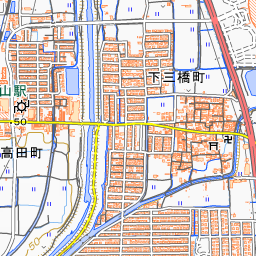
The museum is about a 10-minute walk from Kintetsu-Koriyama Station. Koriyama Castle Ruins is located about 1.1 kilometers to the north, allowing you to combine a walk through the castle town with your visit to the goldfish town.
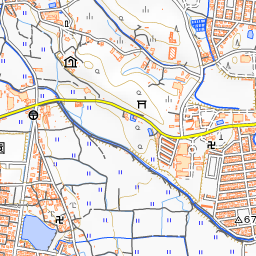
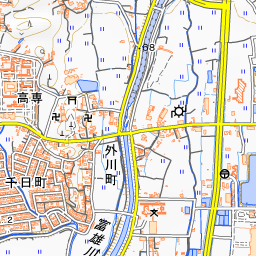
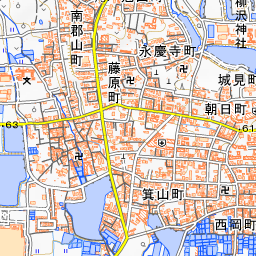
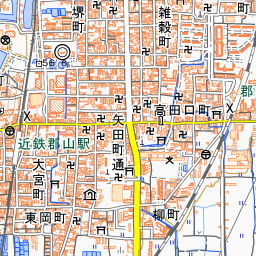
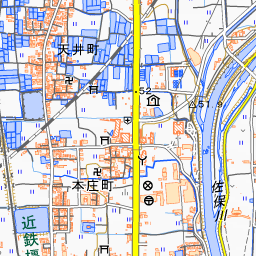
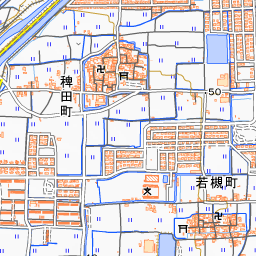
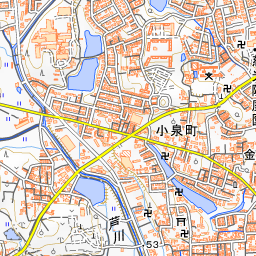

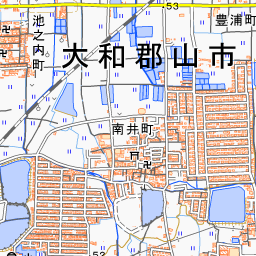
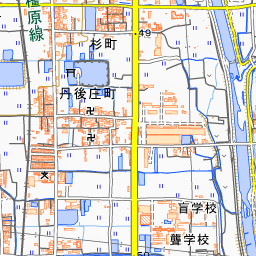
Spot location © OpenStreetMap contributors (ODbL)
Open in Google MapsGuides that include this spot (1)
Use asobot while you walk
- See where you are on the map and find spots nearby
- Listen to the guide's audio in course order, one after another (with subtitles)
- Walk to the next spot while following the map
Open on your phone
Scan to open this spot in asobot on your phone.