 ✨ AI Generated
Hie-jinja Shrine
Japanese: 日枝神社
Chiyoda City, Tokyo
This information was written by AI and may contain mistakes. Please check official sources for opening hours, fees, and other details before you go.
Found a mistake? Let us know with “✏️ Something's wrong” on this spot's screen in asobot →
🎧 Audio guide(1:09)
In short
Hie-jinja Shrine is a shrine dedicated to Oyamakui-no-kami and has long been affectionately known by the public as "Sanno-san." The Tokugawa clan especially revered the shrine as the guardian deity of Edo Castle, and its Sanno Matsuri festival in June was known as the "Tenka Matsuri" (festival for the realm) during the Edo period. The shrine buildings were lost in the war in 1945, and the enshrinement ceremony (Honden Senzasai) of the main hall was held in 1958.
- Sanno Torii: A torii gate facing Sotobori-dori Street, topped with a triangular pediment-like gable.
- Sacred Monkey Statues (Masaru): A pair of male and female monkey statues placed in front of the shrine building; the mother monkey holds a baby monkey. Monkeys have long been revered as guardians of the mountains.
- Inari Sando (Approach): The approach to Sanno Inari-jinja Shrine, lined with 90 vermilion torii gates.
History and Highlights
Hie-jinja Shrine is a shrine that enshrines Oyamakui-no-kami. Regarded as the master of Oyama, this deity has been widely worshipped as a jinushigami (local guardian deity). From ancient times, it was called names such as "Sanno-sha" and has been affectionately known to the public as "Sanno-san." It was from 1868 (Keio 4 / Meiji 1) that it began using the title of Hie-jinja Shrine.
According to its history, the Edo clan enshrined Sannogu, and in 1478, Ota Dokan invited the deity of Kawagoe Sanno-sha into Edo Castle. When Tokugawa Ieyasu made Edo Castle his stronghold, the shrine was designated as the castle's guardian deity. During the major remodeling of Edo Castle under the second shogun, Hidetada, the shrine was moved outside the castle grounds, allowing the general public to worship there as well.
The shrine buildings were destroyed by fire during the Great Fire of Meireki in 1657. Shogun Ietsuna allocated the estate of Matsudaira Tadafusa, which overlooked the Tameike reservoir in Akasaka, as the shrine grounds and erected shrine buildings in the gongen-zukuri style. These buildings, completed in 1659 (Manji 2), were designated as National Treasures, but were destroyed in the devastation of war in May 1945. Reconstruction progressed through the dedication of parishioners and devotees, and the enshrinement ceremony (Honden Senzasai) of the main hall took place in June 1958.
Points for Viewing and Experience
- Sanno Torii and Sacred Monkey Statues: The grand torii in front of the shrine is a Sanno Torii featuring a triangular pediment on top. In front of the shrine building, a pair of sacred monkey statues is positioned. Facing the main hall, the statue on the left is the mother holding a baby monkey, and the one on the right is the father. Monkeys have long been revered as guardians of mountains.
- Inari Approach and Sanno Inari-jinja Shrine: The approach to Sanno Inari-jinja Shrine is lined with 90 vermilion torii gates. Sanno Inari-jinja Shrine was originally an in-house shrine on the estate of Matsudaira Tadafusa and survived the fires of war in 1945. As the approach is a sacred space, please refrain from leaning against the torii gates or sitting down to take photographs.
- Treasure Hall and Ceiling Paintings: Located beside the Otokozaka Slope, the treasure hall was built as a commemorative project for the grand festival in 1978 and houses 31 swords, including National Treasures and Important Cultural Properties, among other items. On the ceiling of the worship hall, 123 wooden panel paintings depicting various flowers and plants along with birds and insects were mounted in June 2008.
Tips for Exploring
The nearest stations are Akasaka Station (Exit 2) and Tameike-sanno Station (Exit 7), both a 3-minute walk away. Ascending the stone stairs from the Sanno Torii facing Sotobori-dori Street is the main approach, Sanno Otokozaka Slope, which also has an escalator beside it. Sanno Inari-jinja Shrine is located to the north of Yasaka-jinja Shrine after ascending the Inari approach. The Sanno Matsuri festival held in June is counted as one of the three major festivals of Japan. During the grand festival held once every two years, the Jinkosai procession takes place, where a parade in imperial court attire travels through the Imperial Palace, the Diet, Nihonbashi, Ginza, and other areas. The National Diet Building is approximately 490 meters east-northeast.
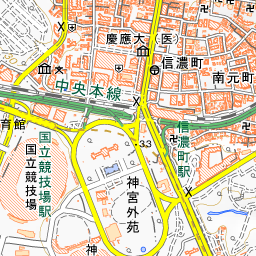
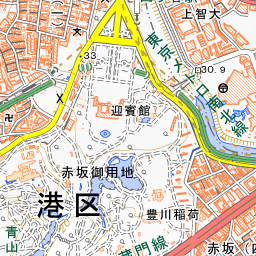
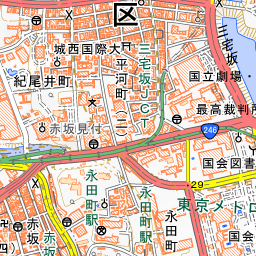
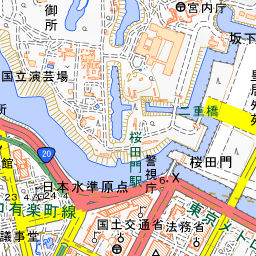
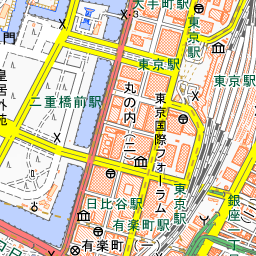
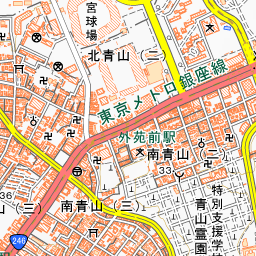
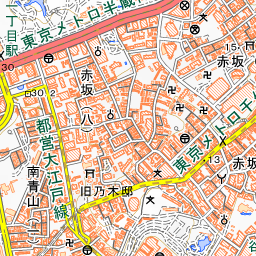


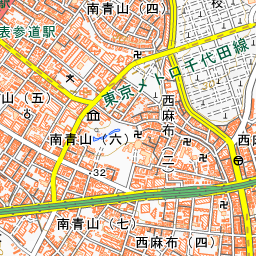
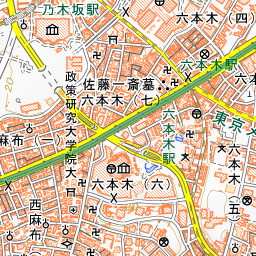
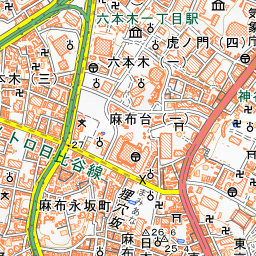
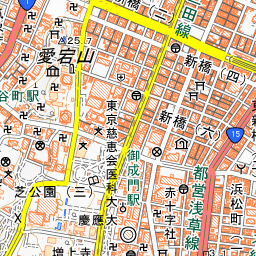

Spot location © OpenStreetMap contributors (ODbL)
Open in Google MapsGuides that include this spot (1)
Use asobot while you walk
- See where you are on the map and find spots nearby
- Listen to the guide's audio in course order, one after another (with subtitles)
- Walk to the next spot while following the map
Open on your phone
Scan to open this spot in asobot on your phone.