 ✨ AI Generated
Rikugien Gardens
Japanese: 六義園
Bunkyo City, Tokyo
This information was written by AI and may contain mistakes. Please check official sources for opening hours, fees, and other details before you go.
Found a mistake? Let us know with “✏️ Something's wrong” on this spot's screen in asobot →
🎧 Audio guide(1:06)
In short
Rikugien Gardens is a stroll-style garden with artificial hills and ponds (kaiyushiki tsukiyama sensui teien) built over a period of seven years by Yanagisawa Yoshiyasu. Counted alongside Koishikawa Korakuen Gardens as one of the two greatest gardens of Edo since the time of its creation, it is designated as a National Special Place of Scenic Beauty. Themed around waka poetry, scenery such as Wakanoura in Kishu is reflected within the garden as the "Eighty-Eight Scenes" (Hachiju-hakkyo).
- Daisensui and Nakanoshima: On the central island of the pond are artificial hills called "Imoyama and Seyama," representing the relationship between a woman and a man.
- Fujishirotoge: The highest artificial hill in the garden at an elevation of 35 meters, its peak is called Fujimiyama.
- Weeping Cherry Tree: Standing just beyond the Naitei Daimon gate, this is the symbolic tree of Rikugien Gardens.
History and Highlights
Rikugien Gardens is a garden that Yanagisawa Yoshiyasu, grand chamberlain (sobayonin) to the fifth shogun, Tokugawa Tsunayoshi, created at his suburban residence (shimoyashiki). In 1695 (Genroku 8), Yoshiyasu was granted the land of Komagome by Tsunayoshi. He then personally designed and directed the excavation of a pond and the construction of hills in a flat corner of Musashino. Taking seven years to build, this stroll-style garden with artificial hills and ponds was completed. In 1702 (Genroku 15), the garden was named Rikugien. Since the time of its creation, it has been regarded as one of Edo's two greatest gardens alongside Koishikawa Korakuen Gardens.
Rikugien Gardens reflects Yoshiyasu's deep knowledge of literature. The garden's name derives from the "six categories" (rikutai) of waka poetry, which Ki no Tsurayuki adapted from the "Six Principles" (rikugi) of Chinese poetry classification. Daisensui, with its central island, is surrounded by groves, and scenes such as Wakanoura in Kishu (present-day Wakayama Prefecture), which were frequently celebrated in the Manyoshu and Kokin Wakashu, are depicted as the Eighty-Eight Scenes. Stone pillars were originally erected at each of the eighty-eight scenes, but today only 32 remain.
In the Meiji period, the garden became a villa of Iwasaki Yataro, the founder of Mitsubishi, and was refurbished. In 1938 (Showa 13), it was donated to the City of Tokyo and opened to the public, and in 1953 (Showa 28), it was designated as a National Special Place of Scenic Beauty.
Viewing and Experience Highlights
- Nakanoshima Seen from Deshio-no-minato: Deshio-no-minato is the shore of the pond closest to the entrance and a scenic vantage point. Nakanoshima can be seen on the right, and Horaijima on the left. The artificial hills on Nakanoshima, "Imoyama and Seyama," symbolize the relationship between a man and a woman, originating from the ancient terms "imo" for a woman and "se" for a man. It is one of the scenes recreating Imoseyama, a famous spot in Wakanoura, Kishu. Horaijima is an island composed of an arched cavern-like rock formation based on the concept of Daoist immortals.
- Fujishirotoge and Fujimiyama: Fujishirotoge is the highest artificial hill in the garden, standing at an elevation of 35 meters. Its summit is called Fujimiyama and offers a fine panoramic view. The name Fujishirotoge was taken from the pass of the same name in Kishu.
- Togetsukyo Bridge and Tsutsuji Chaya: Togetsukyo Bridge is a stone bridge named after a scene depicted in waka poetry. The weight of its two large stone slabs lends a composed, focused air to the surroundings. Tsutsuji Chaya is an arbor built during the Meiji period using ancient azalea wood; having escaped war damage, it preserves its original appearance today.
Tips for Exploring
From Komagome Station on the JR Yamanote Line and Tokyo Metro Namboku Line, it is a 7-minute walk to the main gate. From Sengoku Station on the Toei Mita Line, it is a 10-minute walk to the main gate. Passing through the Naitei Daimon gate that leads into the central area of the garden, the view opens up before you. Standing there is a weeping cherry tree planted between 1955 and 1964 (Showa 30s), which has now become the symbolic tree of Rikugien Gardens. The sight of its branches full of pale pink blossoms evokes a cascading waterfall. This garden was designed to allow visitors to enjoy changing scenes as they walk along paths looping around the pond. The Toyo Bunko Museum is located about 320 meters to the southeast.
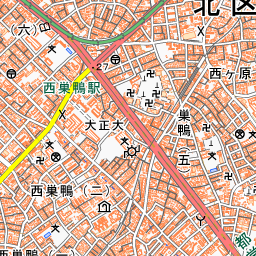
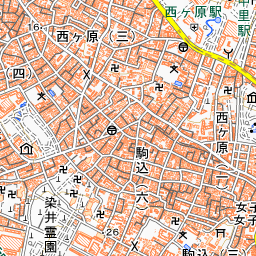
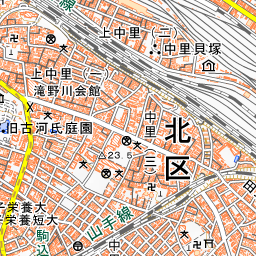
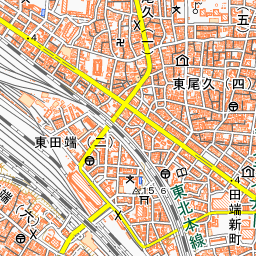
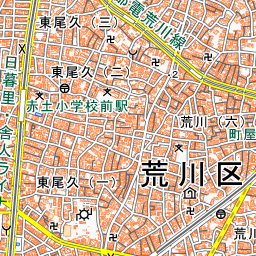
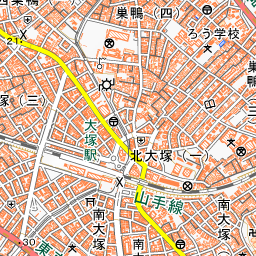

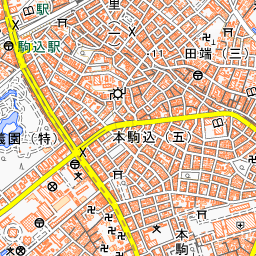


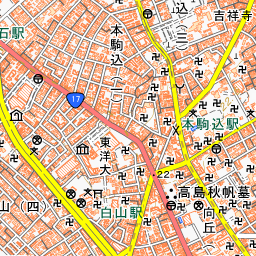

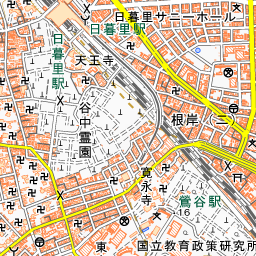
Spot location © OpenStreetMap contributors (ODbL)
Open in Google MapsGuides that include this spot (1)
Use asobot while you walk
- See where you are on the map and find spots nearby
- Listen to the guide's audio in course order, one after another (with subtitles)
- Walk to the next spot while following the map
Open on your phone
Scan to open this spot in asobot on your phone.