 ✨ AI Generated
Katano Tenjin-sha Shrine
Japanese: 交野天神社
Hirakata, Osaka
This information was written by AI and may contain mistakes. Please check official sources for opening hours, fees, and other details before you go.
Found a mistake? Let us know with “✏️ Something's wrong” on this spot's screen in asobot →
🎧 Audio guide(1:16)
In short
An ancient shrine located in Kuzuha in the northern part of Hirakata City. According to the shrine's origins, it began in 787 (Enryaku 6) when Emperor Kanmu established a koshidan (suburban sacrificial altar) and enshrined his father, Emperor Konin, as a heavenly deity (tenjin). The main hall and the main hall of the subordinate Hachiman-jinja Shrine both trace back to the mid-Muromachi period, are designated as National Important Cultural Properties, and are the oldest of the historic buildings in Hirakata City.
- Two Main Halls from the Muromachi Period: Both are built in the ikken-sha nagare-zukuri style with hiwadabuki (cypress bark roofing), and according to the surviving munafuda (construction plaques), the main hall was built in 1402 (Oei 9). Many of the carvings on the main hall, such as the kaerumata (frog-leg struts), are delicate and beautiful
- The Small Hill of Kifune-jinja Shrine and the Kuzuha-no-miya Palace Site: Kifune-jinja Shrine, dedicated to the deity of rainmaking, sits on the small hill deep in the grounds. This area is the traditional site of Emperor Keitai's Kuzuha-no-miya Palace. While the location of the palace is not known, the area around the small hill is considered its tentative estimated site and is designated as an Osaka Prefectural Historic Site
- The Sacred Grove of the Kuzuha-no-miya Palace Site: The forest on the grounds is selected as one of the Eight Scenic Views of Hirakata as the "Sacred Grove of the Kuzuha-no-miya Palace Site." It preserves the look of an ancient primeval forest, with faint sunlight filtering through the canopy
History and Highlights
Katano Tenjin-sha Shrine is an ancient shrine located in Kuzuha in the northern part of Hirakata City. According to the shrine's origins, it began in 787 when Emperor Kanmu chose a site in the southern suburbs of the capital Nagaoka-kyo to establish a koshidan (suburban sacrificial altar) to enshrine his father, Emperor Konin, as a heavenly deity (tenjin). This is said to have followed the Chinese imperial custom of erecting an altar of heaven south of the capital at each winter solstice to worship the Heavenly Emperor.
Lined up beyond the haiden (worship hall) are the honden (main hall) and the honden of the subordinate Hachiman-jinja Shrine. Both structures are built in the ikken-sha nagare-zukuri style with hiwadabuki (cypress bark roofing), and both are designated as National Important Cultural Properties. According to surviving munafuda (construction plaques), the main hall was built in 1402, and the Hachiman-jinja Shrine main hall is also thought to date from the Oei era (1394–1428). Both trace back to the mid-Muromachi period and are the oldest extant architectural structures in Hirakata City.
In the back of the grounds, around the small hill of the subordinate Kifune-jinja Shrine enveloped by a sacred grove, lies the traditional site of Emperor Keitai's Kuzuha-no-miya Palace. According to the Nihon Shoki (Chronicles of Japan), Prince Ohodo no Okimi was welcomed from Mikuni in Echizen, acceded to the throne at Kuzuha as Emperor Keitai in 507, and maintained his court here for five years. While the exact location of the palace remains unknown, the area around this small hill is considered its tentative estimated site and is designated as an Osaka Prefectural Historic Site.
Viewing and Experience Points
- Two Main Halls from the Muromachi Period: The main hall preserves three munafuda plaques dating to 1238, 1402, and 1442. Its exterior retains the grand, imposing style of the Kamakura period, and it features many delicate and beautiful carvings, such as kaerumata (frog-leg struts). The Hachiman-jinja Shrine main hall is slightly smaller than the main hall, with highlights including the kaerumata on its kohai (entry porch) and the openwork carvings on its transoms (ranma).
- The Small Hill of Kifune-jinja Shrine and the Monument: Situated on the small hill nestled deep in the grove to the right of the worship hall is Kifune-jinja Shrine. Dedicated to the deity of rainmaking, tradition holds that praying for rain here during droughts brought life-giving rain. Its small ikken-sha nagare-zukuri main hall is believed to date back to the Momoyama period and is designated as a Hirakata City Cultural Property. At the foot of the hill stands a commemorative stone monument marking the site of Kuzuha-no-miya Palace.
- The Sacred Grove of Kuzuha-no-miya Palace Site: The forest on the grounds is selected as one of the Eight Scenic Views of Hirakata as the "Sacred Grove of the Kuzuha-no-miya Palace Site." Preserving the look of an ancient primeval forest with faint sunlight filtering through the canopy, the woodland invites visitors into the distant past.
Tips for Exploring
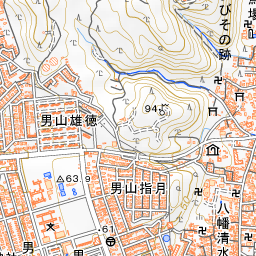
From Kuzuha Station on the Keihan Railway, take a Keihan Bus, get off at the Nagasawa bus stop, and walk northwest for about 3 minutes. Following the approach path lined with stone lanterns, the two main halls come into view beyond the worship hall. About a 2-minute walk to the south lies "Shimin no Mori" (Citizens' Forest), home to the Kyoden-ike Pond, historically revered as a prime moon-viewing spot, making it easy to visit together.




Use asobot while you walk
- See where you are on the map and find spots nearby
- Listen to the guide's audio in course order, one after another (with subtitles)
- Walk to the next spot while following the map
Open on your phone
Scan to open this spot in asobot on your phone.